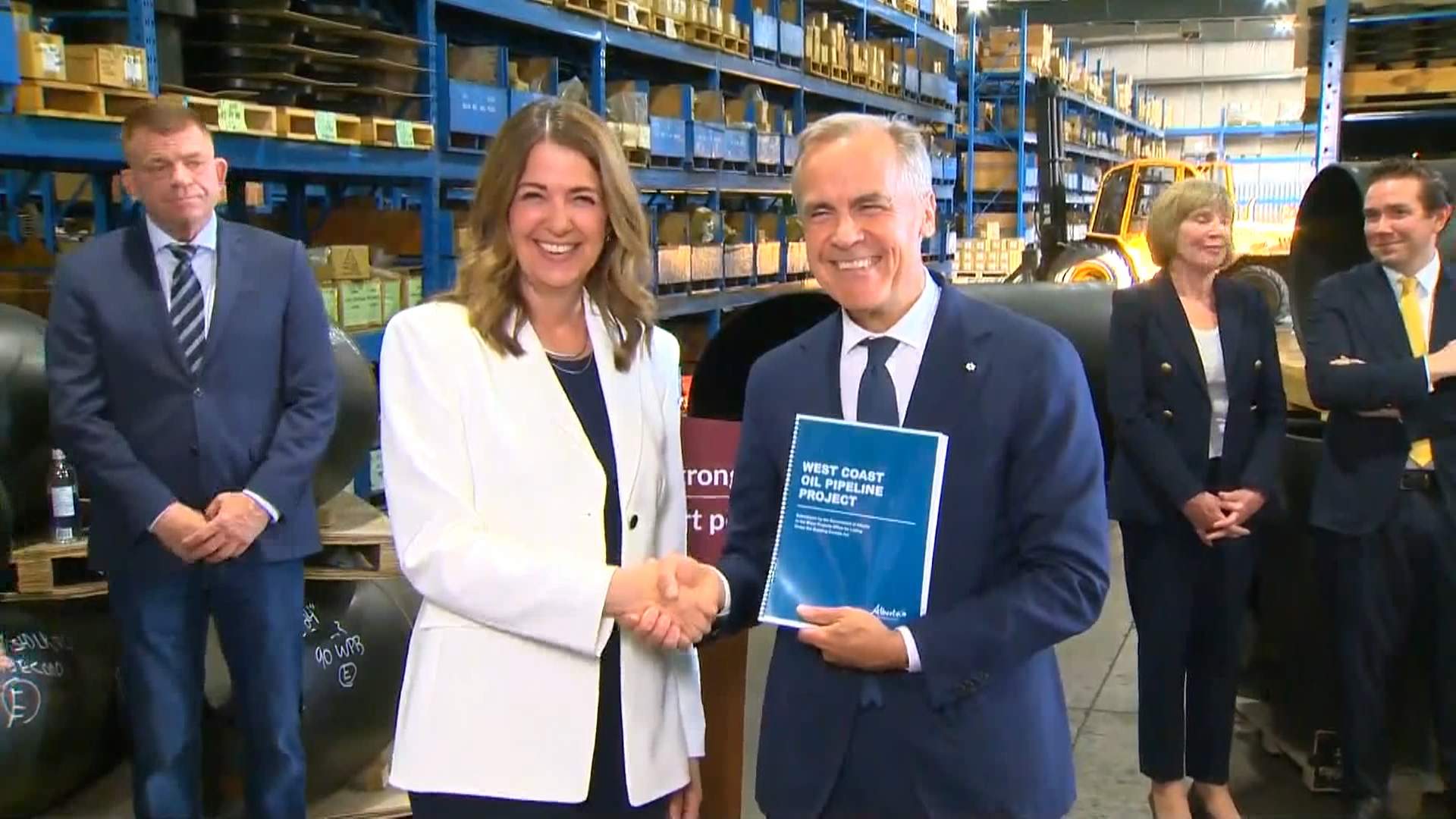
Ottawa is officially advancing the process to list a massive, Alberta-backed oil pipeline to the West Coast as a project of national interest. If you have followed Canadian resource politics for more than a week, you know how explosive this is. We are talking about a roughly 1,250-kilometre corridor designed to pump upwards of one million barrels of crude oil every single day from Bruderheim, Alberta, down to a marine terminal near Delta, British Columbia.
This isn't just another bureaucratic announcement. It represents a hard pivot in how major energy infrastructure gets evaluated, contested, and hopefully built in Canada.
The Reality Behind the National Interest Designation
Let's cut through the standard political spin. Why does a "national interest" label matter so much? Under the Building Canada Act and the purview of the Major Projects Office, this designation changes the rules of engagement. It opens the door to fast-tracked approvals and a streamlined federal permitting process.
Critics will scream that this bypasses crucial environmental safeguards. Proponents argue it simply cuts through years of paralyzing red tape that has historically killed nation-building projects before a single shovel touched the dirt. The notice published in the Canada Gazette set a clear window for public comments, pushing the timeline toward a formal designation decision. Intergovernmental Affairs Minister Dominic LeBlanc is tasked with navigating relations with Alberta and B.C. while mandatory Indigenous consultations run their course.
You have to look at the economic mechanics to understand why Ottawa is moving now. TD Economics and other market watchers note that future export success relies heavily on reaching Asian markets where demand profiles differ sharply from the U.S. Diversification is no longer a buzzword; it's a financial survival metric for Western Canadian crude.
The Carbon Capture and Climate Equation
You cannot talk about an Alberta oil pipeline in the current political climate without addressing emissions. This project is politically and structurally tethered to the Pathways Project carbon capture initiative.
The math here dictates the political feasibility. Ottawa and Alberta are banking on massive carbon capture deployments to offset the optics and environmental impact of scaling up crude production. The core network aims to capture millions of tons of carbon dioxide annually, tying oil expansion directly to heavy industrial decarbonization efforts.
Skeptics point out a glaring reality. Carbon capture reduces the emissions intensity of extraction, but it doesn't neutralize the carbon released when that oil is eventually burned abroad. Even so, linking the pipeline to multi-billion-dollar clean grid investments—such as the North Coast Transmission Line—creates an industrial package that B.C. and federal negotiators could actually agree on after years of bitter gridlock.
Indigenous Equity and Ownership
One major shift in this proposal compared to pipeline battles of the past is the structure of ownership. This isn't just about corporate tollbooths. The plan bakes in meaningful Indigenous equity participation, supported by entities like the Alberta Indigenous Opportunities Corporation and the Canada Indigenous Loan Guarantee Corporation.
Communities along the route are being positioned as equity partners rather than mere consultation checkboxes. This changes the legal and social license landscape entirely. When local leadership holds a financial stake in the asset, the opposition dynamics shift from absolute rejection to negotiated risk management. Trans Corporation and Pembina Pipeline are lining up alongside government proponents, injecting private sector rigor into a project that once lived purely as a political pipe dream.
What Happens Next on the Ground
The schedule is aggressive. Proponents are eyeing late 2026 for formal national interest listing milestones, with potential construction windows opening as early as late 2027.
Yet, massive hurdles remain. Cost estimates sitting north of 25 billion dollars mean private capital markets will demand absolute certainty before cutting checks. Marine safety protocols around southern B.C. shipping lanes, tanker traffic regulations, and rigid adherence to environmental baselines will face intense scrutiny during the consultation phase.
Keep a close eye on the feedback submissions rolling into federal regulators. They will tell you whether this fragile political consensus holds together or cracks under the weight of old regional divisions.