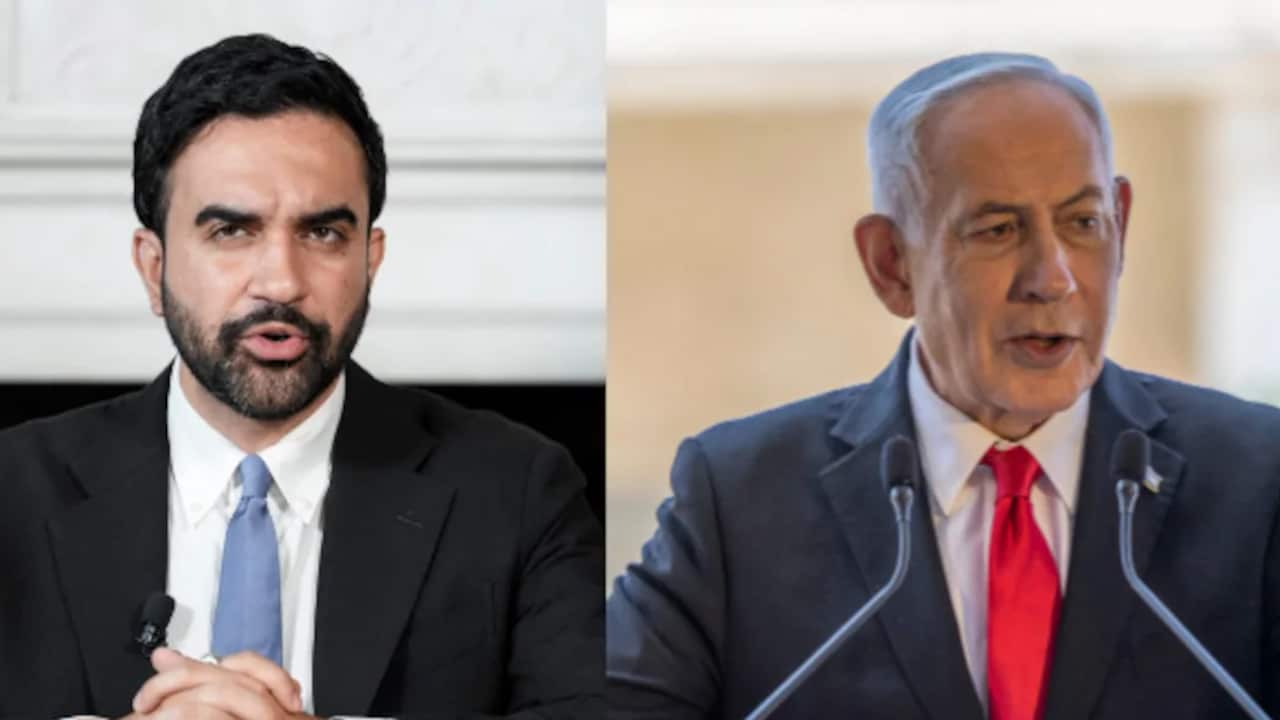
New York City Mayor Zohran Mamdani finally admitted what legal scholars knew all along: city cops can't handcuff a foreign leader.
For months, Mamdani built his political brand around a bold promise. He claimed that if Israeli Prime Minister Benjamin Netanyahu set foot in New York City, local authorities would enforce the International Criminal Court (ICC) warrant for his arrest. It was red meat for his progressive base. But after ordering a thorough internal review of municipal powers, Mamdani released a video confirming that New York City lacks the legal authority to execute the international warrant on its own.
Instead, Mamdani shifted his strategy. He pivoted to calling on the federal government to join the ICC and arrest Netanyahu when he travels to Manhattan for the United Nations General Assembly.
The admission wraps up a high-profile political saga, but it leaves behind a critical question. Why did a sitting mayor make a promise he couldn't keep in the first place?
The Legal Wall Facing Local Mayors
Mamdani's administration spent weeks looking for legal loopholes. City attorneys evaluated whether the New York Police Department could act independently under state or local criminal statutes.
They ran straight into constitutional reality.
Under the U.S. Constitution, federal foreign policy overrides local law. Cities don't get to run their own international diplomacy. Beyond federal supremacy, the UN Headquarters Agreement provides broad diplomatic immunity to visiting heads of state attending official functions at the United Nations in Manhattan.
Even if local police wanted to intervene, federal agencies like the State Department's Diplomatic Security Service and the U.S. Secret Service handle security for visiting world leaders. Municipal officers simply don't have jurisdiction over foreign dignitaries protected by federal immunity.
On top of that, the United States isn't a state party to the Rome Statute, the treaty that created the ICC. Washington doesn't recognize ICC jurisdiction over non-member nations. Expecting local municipal police to enforce a warrant from a treaty body the U.S. government actively rejects was always a legal dead end.
Federal Rejection and Political Backlash
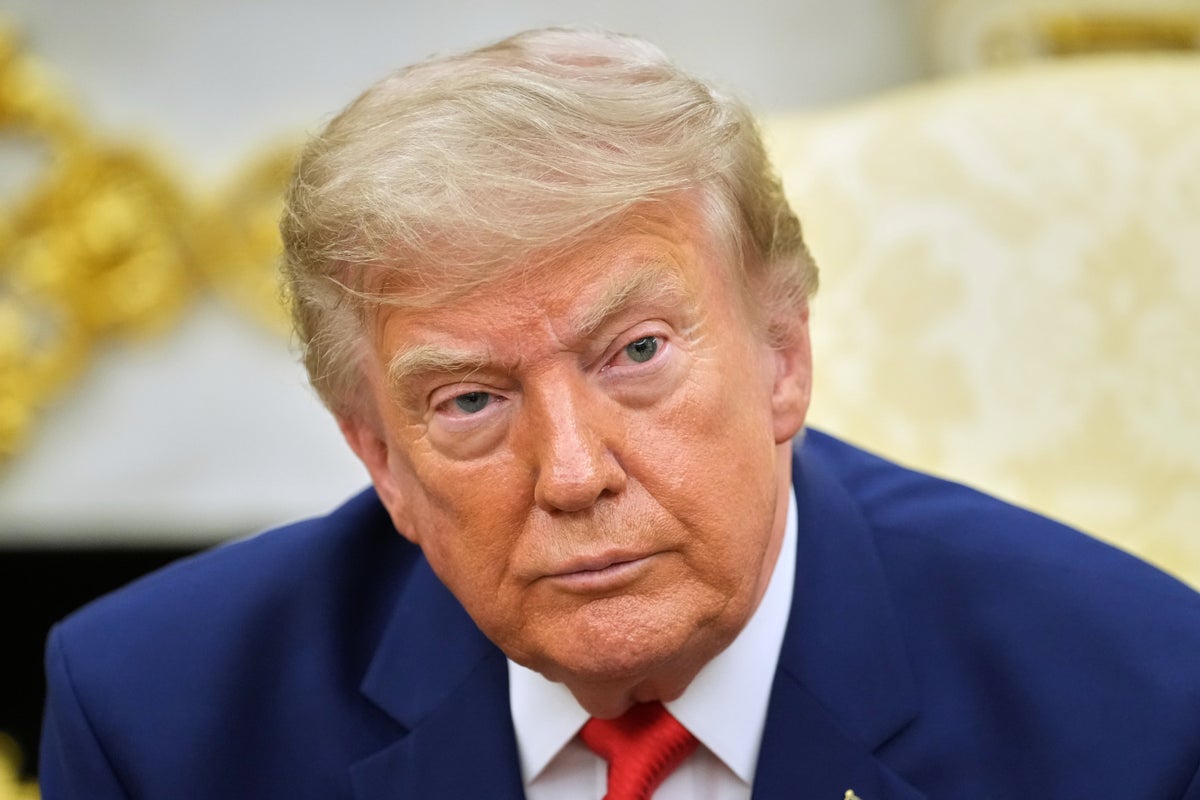
Mamdani's shift to urging federal action met an immediate wall in Washington. President Donald Trump forcefully rejected any suggestion that Netanyahu face detention on American soil. Trump stated plainly on Truth Social that Netanyahu wouldn't be arrested in any way, shape, or form during his visit.
The political fallout inside New York hit fast:
- Israeli Ambassador to the UN Danny Danon slammed Mamdani's rhetoric, telling the mayor to focus on local issues rather than international grandstanding.
- Local state lawmakers questioned whether Mamdani violated municipal ethics or state laws by using city staff to investigate arresting a foreign dignitary.
- Diplomatic officials pointed out that attempting to detain a foreign leader would spark a massive constitutional crisis between municipal police and federal agents.
Mamdani still insists Netanyahu is unwelcome in New York City. But acknowledging the legal limits of city hall marks a clear retreat from his campaign stance.
What This Means for Local Politicians and Foreign Policy
This standoff exposes a growing trend in urban politics. Local mayors increasingly weigh in on global conflicts to energize voters back home. But symbolics hit a hard ceiling when they clash with international law and federal sovereignty.
If you're following local government policy, keep these key takeaways in mind:
- Diplomatic immunity is absolute at the UN level. Local mayors can't override federal international treaties or host-country agreements.
- Municipal police serve local statutes. The NYPD receives its authority from state and city law, not international tribunals located in The Hague.
- Federal foreign policy dominates. When a city's political goals conflict with Washington's diplomatic stance, federal authority wins every time.
Mamdani's attempt to use city power against an international leader failed because municipal offices aren't designed to enforce international law. For activist politicians, rhetoric can rally support, but the boundaries between city hall and federal authority remain firmly intact.