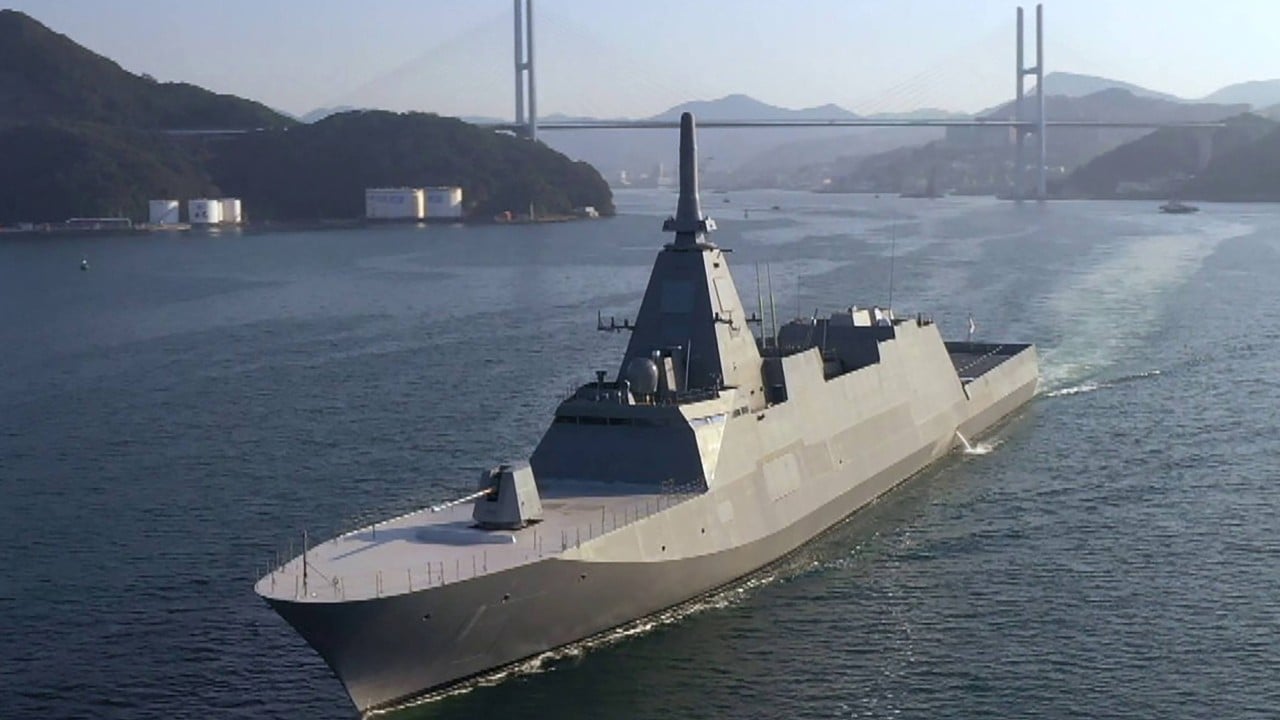
New Zealand’s navy is basically running on fumes. The current Anzac-class frigates, HMNZS Te Kaha and HMNZS Te Mana, are old. They’re pushing thirty years, and while they’ve had their systems overhauled, you can only patch a hull so many times before it becomes a liability. Defence Minister Chris Penk finally admitted what everyone in the sector already knew: we need new ships, and we need them fast. The frontrunner? Japan’s Mogami-class frigate.
This isn’t just a random shopping trip. It’s a survival move. By the mid-2030s, the current fleet will hit its design limit. If New Zealand doesn't have a replacement ready, the country loses its ability to police its own waters, let alone help out in the Pacific. We’re talking about a nation that relies on the sea for almost all its trade. Without a working navy, we’re just a very pretty, very vulnerable target.
Why the Mogami makes sense for New Zealand
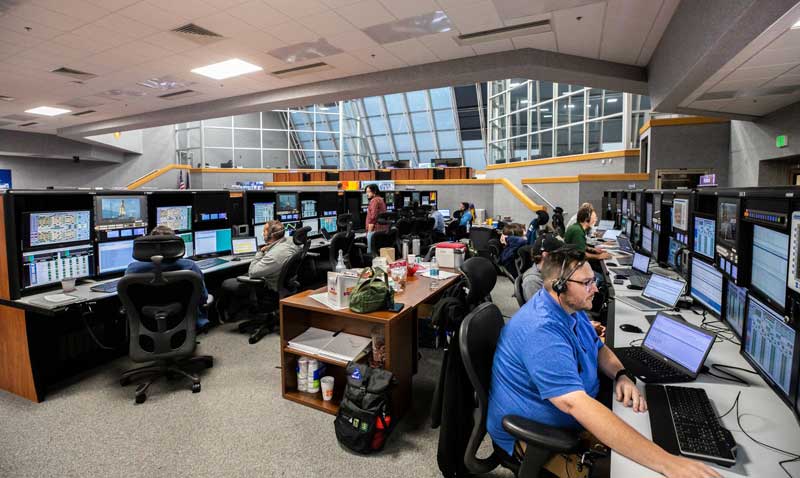
The Mogami-class isn't your standard clunky warship. It’s sleek, automated, and surprisingly affordable compared to the massive destroyers the US or UK usually pump out. For a small navy like the RNZN, the automation is the real "killer app." These ships only need about 90 crew members. Compare that to the 170+ needed for an Anzac frigate. When you’re struggling with recruitment and retention—which the NZDF definitely is—halving the crew size is a massive win.
Japan is already building these at a clip. Australia recently dropped a bombshell by selecting the Mogami for its own general-purpose frigate program. If New Zealand follows suit, it creates a massive "Anzac" block of Japanese-designed ships in the Pacific. It makes maintenance cheaper and training easier. It’s a rare moment where logic and geopolitics actually align.
The firepower problem
Don't let the "patrol" label fool you. The version Australia is getting, and the one New Zealand is eyeing, is a genuine combatant. It’s packed with:
- 32-cell Mk 41 Vertical Launch Systems (VLS).
- Naval Strike Missiles for surface targets.
- Advanced AESA radar that can actually see what’s coming.
The current Anzacs only have 8 VLS cells. Moving to 32 is a huge leap in "don't mess with us" capability. It gives the RNZN a layer of protection against modern missile threats that they simply don't have right now.
Comparing the Type 31 and the Mogami
New Zealand is also looking at the UK’s Type 31. It’s a bigger ship, based on a Danish design, and it’s great for "presence"—looking big and imposing in a harbor. But the Mogami is a dedicated hunter. It’s faster, hitting over 30 knots, and its sonar suite is top-tier for finding submarines.
In a region where submarine activity is skyrocketing, the Mogami’s variable-depth sonar and towed arrays aren't just "nice to have." They're essential. The Type 31 is a generalist; the Mogami is a specialist that happens to be very good at everything else. Plus, Japan’s shipbuilding speed is legendary. They can churn these out while other nations are still arguing over the blueprints.
The billion dollar reality check
Let’s be real: this is going to be expensive. The 2025 Defence Capability Plan already flagged a $12 billion overhaul for the NZDF. While that covers everything from transport planes to cyber defense, the frigates will eat a huge chunk of that. Estimates for a multi-ship buy could easily cross the $2 billion mark once you factor in spare parts and training.
Some people argue we don't need "warships" and should just stick to offshore patrol vessels. That’s a dangerous gamble. You can't send a patrol boat to a high-tension zone and expect it to survive. If you want to be part of the "club" with Australia, the US, and the UK, you need to bring actual teeth to the table.
What happens next
The government isn't signing the check just yet. They’ve tasked the Ministry of Defence to build a business case by the end of 2027. That sounds like a long way off, but in the world of naval procurement, it’s practically tomorrow. They’re currently talking to Australian and British officials to see how New Zealand can piggyback on their existing orders.
If you’re watching this space, the signs are clear. The Mogami-class is the smartest bet on the board. It solves the manpower crisis, it matches what our closest ally is doing, and it’s a modern, lethal platform that can actually handle the rough waters of the Southern Ocean.
Expect more "fact-finding" missions to Japan in the coming months. The era of the Anzac frigate is ending. The era of the "Mogami-kiwi" is probably just beginning.
If you want to stay ahead of this, keep an eye on the 2027 Cabinet papers. That's when the final selection happens. For now, the navy is just trying to keep the old ships floating long enough to see their replacements arrive.