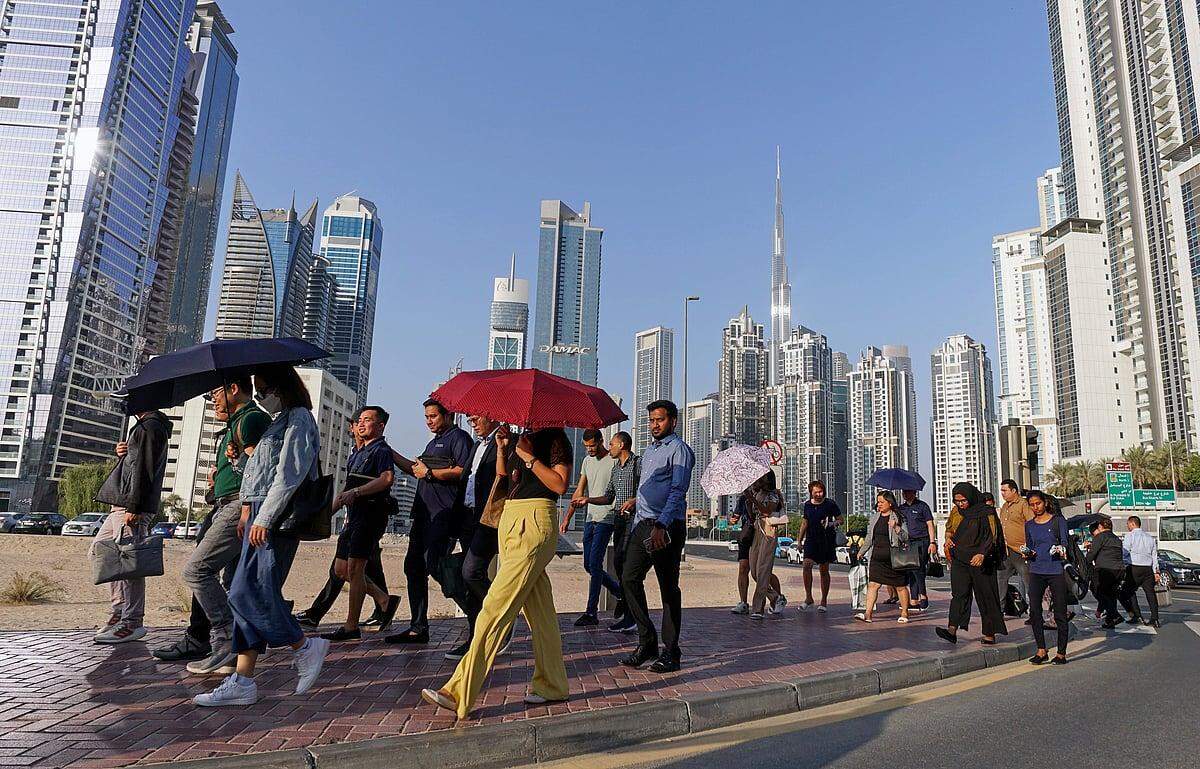
You think you know what hot means. If you live in the UAE, you likely boast a high tolerance for blistering afternoons and heavy evening air. But starting July 3, the region enters a completely different meteorological phase.
It is called Jamrat Al Qayth, which literally translates from Arabic as the "Embers of Summer." This is the traditional name given to the absolute peak of the Arabian Peninsula's heat cycle. It lasts for 40 grueling days, stretching until August 10. During this window, daytime temperatures in interior desert zones regularly breach the 50°C mark.
This isn't just standard summer weather. It is a highly specific, historically documented phenomenon that changes how the body cools itself and how infrastructure handles stress.
The Science of the Embers of Summer
We aren't talking about a freak climate anomaly. Jamrat Al Qayth is a predictable astronomical milestone. According to Ibrahim Al Jarwan, Chairman of the Emirates Astronomy Society, the season kicks off when the first star of the Gemini constellation, Al Haq'ah, rises above the eastern horizon just before dawn.
As the weeks progress, other stars like Al Mirzam make their appearance, each signaling a different wave of heat. The period only starts to break around August 11, when the Beehive Cluster appears in the Cancer constellation, introducing the high-humidity phase that signals the transition out of extreme dryness.
During these 40 days, the atmospheric mechanics shift drastically. You will experience two major elements.
- The Samoom Winds: These are intensely hot, dry winds that sweep across the desert floor. They act like a massive hair dryer blowing directly into your face, stripping moisture from everything they touch.
- Waghrat Al Qayth: This term refers to recurring localized heatwaves where temperatures spike at least 4°C above the already scorching seasonal norms for multiple consecutive days.
Why Fifty Degrees Hits Differently
Most people focus on the headline number of 50°C. But the real danger during the first half of Jamrat Al Qayth is the bone-dry nature of the heat combined with solar radiation.
When the air is exceptionally dry, sweat evaporates off your skin almost instantly. It sounds like a good thing, but it means you don't realize how much fluid you're losing. Dehydration happens rapidly, often before you feel traditional thirst.
Later in the cycle, as we approach August, the wind patterns shift, dragging moisture from the Arabian Gulf. That is when the humidity spikes. High humidity prevents sweat from evaporating at all, shutting down the body's natural cooling mechanism. This combination makes outdoor activity during midday hours genuinely life-threatening without strict interventions.
Surviving the Peak Without Melting
Staying safe over the next 40 days requires more than just turning up the air conditioning. You need to adjust daily habits to match the environment.
Hydration is a Math Problem
Don't drink water only when you feel parched. By then, you are already dehydrated. You need to consume consistent fluids throughout the day. If you work outdoors or spend time under the sun, aim for small sips every 15 minutes rather than chugging a liter of water all at once. Mix in electrolytes; pure water alone won't replace the salts lost through heavy perspiration.
Rethink Your Car Safety
Your car turns into a greenhouse within minutes. Interior temperatures can easily exceed 60°C if left in direct sunlight. Never leave children or pets inside a parked vehicle, even for a quick 30-second dash into a grocery store. Also, clear out pressurized cans, lighters, and power banks from your dashboard. The intense heat can cause them to rupture or explode.
Mind the Midday Ban
The UAE Ministry of Human Resources and Emiratisation enforces a mandatory midday work break for outdoor laborers. If you employ private drivers, gardeners, or building maintenance staff, respect these boundaries. Schedule heavy physical labor for the early morning hours or late evenings when the ground has had a chance to radiate some of its heat back into space.
Take this period seriously. The Embers of Summer have arrived, and ignoring the thermometer isn't an option. Keep your water bottles filled, check on your vehicle's coolant levels, and limit unnecessary sun exposure until the Gemini stars pass and the August winds bring the first hint of relief.