Neon lights hum in the dark. A desk fan spins, clicking softly against a stray piece of plastic. Through the glowing monitor, millions of eyes watch a single man standing in an empty room, holding a cardboard box that looks suspiciously like a prop from a local high school play.
He is sweating. Not because the room is hot, but because the air carries the heavy, invisible weight of five hundred thousand dollars.
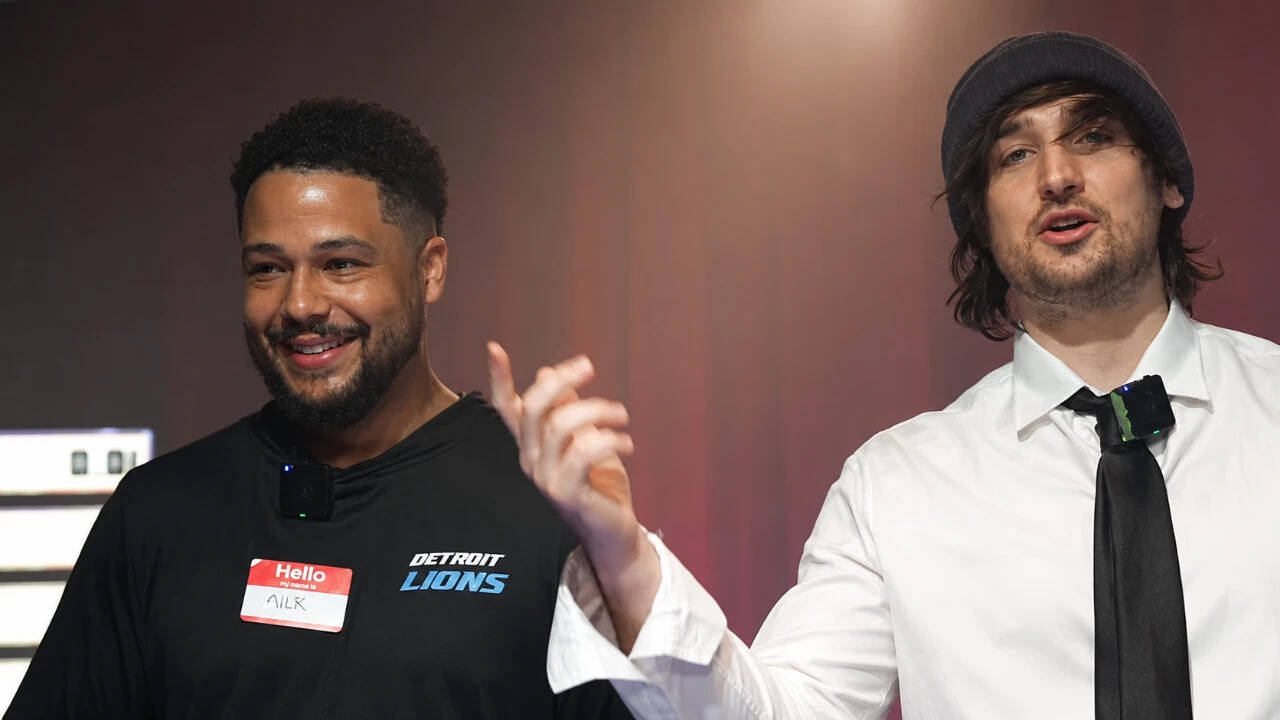
Mitch Jones didn't intend to start a corporate war. He just wanted to open some briefcases.
If you spend enough time watching modern broadcasting, you realize the medium has eaten its own tail. Television formats from the early 2000s, born under the fluorescent glare of network television soundstages, now wander like ghosts through the bedrooms of twenty-somethings with high-end microphones. Deal or No Deal was a relic of that era. It was a simple psychological trap wrapped in shiny metal: twenty-six boxes, twenty-six amounts of money, and a mysterious man named Banker whispering numbers over a red telephone.
Mitch decided to build his own version. He didn't have an NBC budget. He didn't have flashing studio floors or an orchestra swelling with tension. He had a warehouse, some plywood, and a community of chat room dwellers who treated chaos as a spectator sport.
He recreated the $500,000 game show live on screen.
To understand why that broadcast triggered a legal avalanche, you have to understand how television executives view their intellectual property. To a network, a format isn't just a show; it's a proprietary machine of probabilities, trademarked sounds, and legally protected visual cues. When an independent creator steps into that kitchen and starts cooking with stolen spices, the owners of the recipe don't smile at the homage. They send lawyers.
The legal threat arrived quietly. No dramatic knock on the door. Just a certified letter turning a night of digital entertainment into a high-stakes standoff over copyright and format rights.
Consider what happens next in the ecosystem of modern media. The giants own the sandbox, but the kids with webcams figured out how to build bigger castles. When a streamer steps across the invisible line separating parody, homage, and direct infringement, the system reacts with the speed and mercy of an industrial stamping machine.
Endemol Shine Group, the powerhouse holding the global rights to Deal or No Deal, does not take kindly to amateur knockoffs, especially ones pulling in hundreds of thousands of concurrent viewers. To them, a $500K recreation isn't a cute nod to nostalgia. It’s brand dilution. It’s unearned monetization of a multi-million-dollar asset.
Yet, looking at the empty warehouse where Mitch stood, a different truth emerges. Television is dying a slow, quiet death among the demographic that matters most to advertisers. Young audiences do not tune in at eight o'clock on a Wednesday night. They watch live streams. They want messiness. They want authenticity, even when that authenticity looks like a shoddy cardboard box painted gold by a guy wearing a hoodie.
When the legal letters landed, the chat room exploded. Fans did not care about intellectual property law. They cared about the drama. They cared about the banker's offer. They cared about whether Mitch would walk away with nothing or strike virtual gold.
This is the central friction of our current cultural moment. Traditional media companies own the historic vaults of entertainment, but they no longer hold the attention span of the public. Creators hold the attention, but they are constantly building on foundations they do not own. Every time a streamer plays a copyrighted game show, sings a pop song too loudly, or recreates a classic television segment, they are playing a dangerous game of chicken with corporate legal teams.
The stakes are real. We are not talking about a slap on the wrist. We are talking about cease-and-desist orders that can permanently demonetize a channel, freeze assets, or drag independent operators into multi-year federal court battles they cannot afford to fight.
Mitch Jones learned this lesson under the harsh glare of ring lights. The briefcases were closed. The red telephone stayed silent.
Somewhere in a corporate skyscraper, a legal team checked a box. Another copycat had been swatted down, keeping the sacred boundary between professional television and amateur streaming firmly intact.
The screen flickers off. The room goes dark. But the question remains hanging in the empty air, waiting for the next creator brave enough to pick up the phone.