Darkness descends. The projector hums like a sleeping beast clearing its throat, and fifty feet of silver screen catch the first scatter of light.
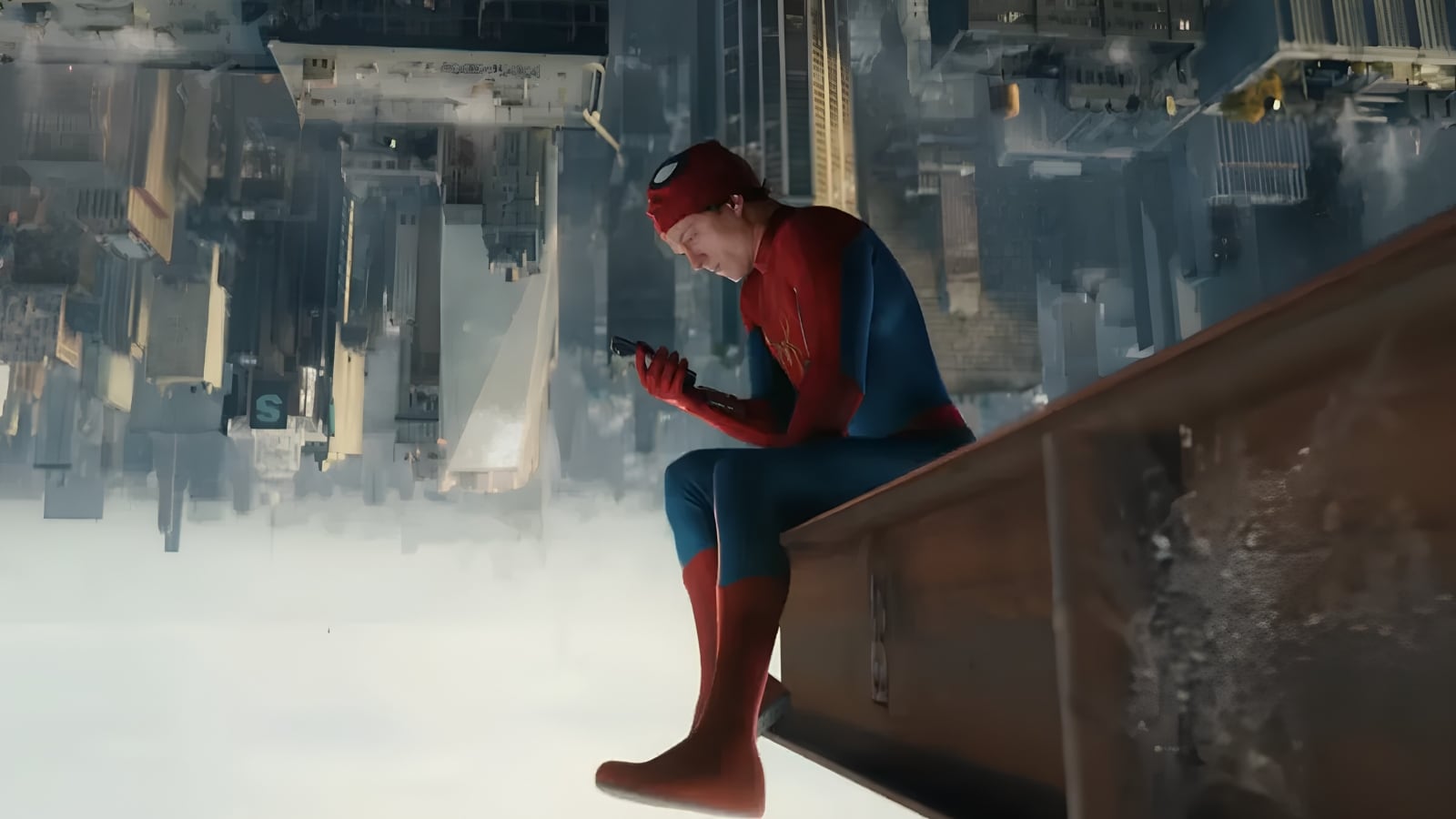
You remember the sound. It is not just noise. It is the collective inhalation of three hundred strangers in a room that smells faintly of popcorn butter and spilled soda. For a few fragile hours, the outside world stops pressing its weight against your shoulders. The bills can wait. The inbox can rot. Right now, a teenager from Queens is about to fall through the sky, and you are going to fall with him.
History does not usually roar with laughter. It usually ticks quietly in archives, or whispers through the pages of quarterly financial reports. But last weekend, history threw a punch, and the box office floor shook so hard that theaters across the globe felt the aftershocks.
The numbers are staggering, though they sound too clinical for what actually happened in the dark. A second-biggest global opening weekend in the entire history of cinema. Think about that phrasing. Out of every story ever projected onto a screen since the flickering days of the nickelodeon, only one other time has the human rush to a opening weekend been this intense, this unified, this hungry.
Consider what happens next in an industry that spends half its time panicking about its own obsolescence. Prophets of doom have spent years declaring the death of the shared theatrical experience. They pointed at living room OLED screens, at streaming queues that stretch into infinity, at the atomization of modern attention spans. They told us we were too isolated now, too comfortable in our cocoons, too fractured as a species to ever crowd into the same dark room again.
They were wrong.
To understand why this specific web-slinger still commands this kind of global devotion, you have to look past the spreadsheets and step back into the alleyways of ordinary human experience.
Peter Parker has never been an invincible god. He does not own a multi-billion-dollar defense portfolio like Tony Stark, nor does he possess the thunderous cosmic majesty of Thor. He is chronically late for class. He worries about rent. He tears his costume on chain-link fences and has to patch it with whatever thread is lying around the apartment. He is a kid who carries the crushing weight of guilt on shoulders that are entirely too narrow.
When we watch him tumble off a skyscraper and scramble to catch his breath before the next blow lands, we are not looking at a flawless icon. We are looking in a mirror.
That is the hidden engine behind those staggering global box office returns. It is not just clever marketing or the slick coordination of multinational conglomerates. It is identification. Every single person who stood in a midnight queue last weekend—from Tokyo to Toronto, from dusty suburban multiplexes to towering IMAX shrines in London—was carrying their own invisible backpack of anxiety. They wanted to see someone fail, struggle, bleed a little, and then somehow find the absurd courage to get back up.
The scale of this opening weekend defies easy comprehension. Hundreds of millions of dollars pooling together from every corner of the planet in a matter of seventy-two hours. It represents a logistical triumph of distribution, yes. But more deeply, it represents a synchronized human heartbeat. Millions of distinct lives pausing their routines to chase the exact same emotional catharsis at the exact same time.
We crave shared mythology. Modern life can feel painfully hollow, an endless scroll of fragmented updates and distant digital tragedies that we cannot touch or fix. The modern cinema is one of the last secular cathedrals we have left. It is a place where we surrender our cynicism at the door and agree, collectively, to believe in magic for two hours.
When the opening credits rolled and that familiar, iconic brass fanfare rang out through the speakers last weekend, something shifted in the room. The murmurs died down. A collective lean forward. The realization that we were all participating in a living, breathing moment that would soon be recorded in the history books of pop culture.
The box office analysts will parse the percentages for months. They will debate international currency fluctuations, premium-format ticket pricing, and the exact psychological sweet spot of nostalgia marketing. They will treat the phenomenon like an equation to be solved.
They are missing the poetry.
The poetry is in the sticky floor under your sneakers. The poetry is in the stranger to your left who gasped out loud during a plot twist and the teenager to your right who wiped a quiet tear from his cheek when the credits began to roll. The numbers are merely the smoke rising from a fire that was fueled by raw, unadulterated human longing.
We do not go to these films to escape our lives. We go to find validation for them. We go to watch a messy, fallible human being stumble through impossible odds and remind us that goodness, however fragile, is still worth fighting for.
The house lights finally flickered back on. The screen went stark white, then blank. The crowd stood up, stretching stiff limbs, murmuring soft reviews to one another as they shuffled toward the exits into the cool night air. The illusion was over, but the feeling remained, stubborn and bright, echoing in the quiet spaces between one heartbeat and the next.