The Cold Air of October 1965
The draft came straight off the Thames, slicing through the poorly insulated windowpanes of EMI Studios on Abbey Road like a razor. It was late October 1965. Outside, London was a bruised twilight of wet asphalt, coal smoke, and early winter frost. Inside, four young men who had spent the last three years trapped inside the deafening, unyielding panic of Beatlemania were shivering over cups of lukewarm tea.
They were tired. Not the tired of a long week at the office, but the hollow, marrow-deep fatigue of creatures who had been hunted by flashbulbs and shrieking teenagers for so long they could barely remember what silence felt like. On stage in stadiums from Shea to Sydney, they couldn't even hear their own instruments. The amplifiers screamed; the girls screamed louder; the music dissolved into a wet cardboard thud of bass and cymbals.
John Lennon sat on a stool, turning a worn acoustic guitar over in his hands, tracing a scratch on the mahogany finish. Paul McCartney was bent over a piano, hammering out a melody that sounded less like a chart-topping single and more like an internal confession. George Harrison and Ringo Starr lingered near the radiator, waiting for the signal to work.
They did not know it yet, but they were standing on the narrowest razor's edge of their lives.
To the world, they were invincible. To themselves, they were ghosts trapped inside a machine that wouldn't stop feeding. And then, out of that suffocating exhaustion, came Rubber Soul.
The Trap of Success
We forget how fragile brilliance is because time hardens it into marble. We look at classic albums today as monuments—permanent, inevitable, carved into the bedrock of cultural history. But in the autumn of 1965, the Beatles were careening toward creative bankruptcy simply by staying in the same room too long.
Consider the trap of the pop idol. You are rewarded for repeating the exact formula that made you famous. Write another upbeat love song. Put the catchy hook in the first thirty seconds. Smile for the cameras. Keep the hair dusted out of your eyes. Never show a crack in the lacquer.
By late 1965, the band had released two albums and countless singles in a single breathless calendar year—a relentless treadmill of commercial demand that would have crushed almost any other creative entity. They were expected to be perpetual hit-making engines. Instead, they were human beings growing up in public, discovering Bob Dylan, smoking marijuana, reading poetry, and realizing that pop music didn't have to be a cheerful greeting card sent from a screaming stadium floor. It could be a diary. It could be a confession. It could be dark, bruised, and complicated.
When a new box set or archival release opens the vaults today, we tend to listen for the pristine remastering, the crisp separation of the hi-hat, the dry clarity of John’s vocal double-tracking. But the real magic hidden in those multitrack tapes isn't technical perfection. It’s the sound of four people trying to figure out how to grow up without losing their audience.
The Shift in the Air
Listen closely to the opening chords of "Drive My Car." There is no sugary innocence there. There is a swagger, a biting cynicism, a greasy blues groove borrowed straight from the Otis Redding records they had been smuggling into their hotel rooms on tour.
(Note: While the specific studio banter between takes has been reconstructed through decades of engineer logs and oral histories, the psychological pressure of that recording block is a matter of profound historical record.)
For the first time, they refused to rush. They took four weeks—an eternity by mid-sixties pop standards—to craft an album. They worked late into the night, fueled by black coffee, cigarettes, and a desperate desire to outrun their own cliché.
George picked up a strange instrument he’d stumbled across on the set of the film Help!—a wooden, hollow-bodied Indian sitar with a sympathetic string arrangement that buzzed like a trapped bee. When he introduced it into John’s bitter, acoustic meditation on infidelity, "Norwegian Wood (This Bird Has Flown)," he wasn't trying to start a global psychedelic movement or curate a trendy genre fusion. He was just bored. He was looking for a new color on a palette that had grown overwhelmingly monochrome.
That boredom changed the architecture of popular music.
Before Rubber Soul, albums were commercial vehicles designed to carry two hit singles surrounded by ten hastily recorded filler tracks meant to pad out the vinyl. Rubber Soul was different. It was conceived as a unified artistic statement—a single, cohesive novel told in twelve distinct chapters. It demanded to be listened to from start to finish, the needle dropping in the groove of side one and refusing to let go until the final fading chord of "Run for Your Life."
The Anatomy of Vulnerability
What makes the album endure isn't its clever instrumentation or its pioneering studio techniques. It is the sudden, startling vulnerability of the lyricism.
Look at Paul’s "You Won't See Me" or "I'm Looking Through You." These weren't the breezy, uncomplicated boy-meets-girl anthems of "She Loves You" or "I Want to Hold Your Hand." These were songs about romantic alienation, insecurity, and the terrifying realization that love is slippery, fragile, and often unrequited. Paul was writing about the cracks in his own relationships, filtering his private life through a veil of minor chords and intricate, walking basslines that owed as much to Motown as they did to British music hall.
And then there was John.
John’s songwriting took a sharp, inward turn toward psychoanalysis. In "In My Life," written during a moment of intense nostalgia while staring out the window of his suburban home in Kenwood, he cataloged the ghosts of his past friends and lovers with a devastating clarity that felt impossible for a twenty-five-year-old pop star. It wasn't about holding hands anymore. It was about mortality, memory, and the places that go away when you grow up.
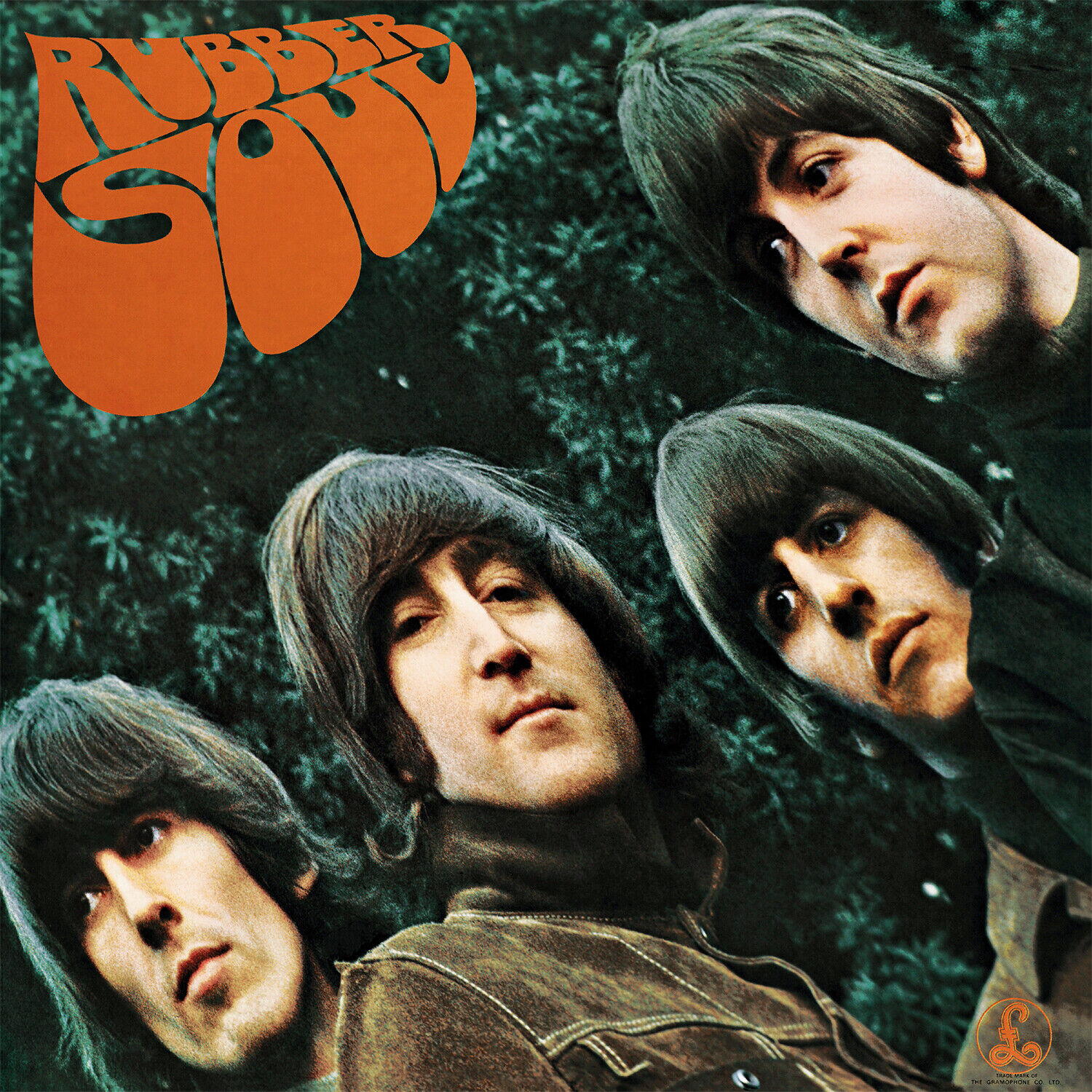
When those sessions wrapped in mid-November 1965, EMI executives panicked. There was no obvious, screaming novelty single designed to dominate the Christmas charts immediately. The cover art, featuring a distorted, elongated photograph shot by Bob Freeman, showed four men with serious, shadowed eyes staring down at the camera with quiet defiance. When the printing press misaligned the projector during a test shoot, stretching their faces into an elongated oval, John laughed and said, "That's it. Use that."
They didn't want to look like pop stars anymore. They wanted to look like artists.
The Vaults Open, But the Ghost Remains
Decades later, the multi-disc box sets arrive with glossy booklets, unreleased take numbers, and pristine digital mixes that reveal every intake of breath, every squeak of a guitar string, every muttered curse between takes. We pore over these relics like archaeologists unearthing the shards of an ancient civilization.
We want to know how they got that bass sound on "The Word." We want to hear John’s voice raw and unadorned before the double-tracking is applied. We want to touch the machinery of genius.
Yet the real treasure of those sessions isn't found in a frequency spectrum or an alternate vocal take. It’s found in the courage of the pivot.
Most people, when trapped by massive, overwhelming success, double down on what works. They repeat the formula until it turns to dust. They let the machine consume them.
The Beatles chose a different path. In the freezing London fog of late 1965, they looked at the golden cage they had built for themselves, picked up their instruments, and decided to tear down the walls from the inside.
The tape stops. The hiss of the studio floor fades out. And somewhere in the dark, a guitar string vibrates, ringing out into the silence, waiting for the rest of the world to catch up.