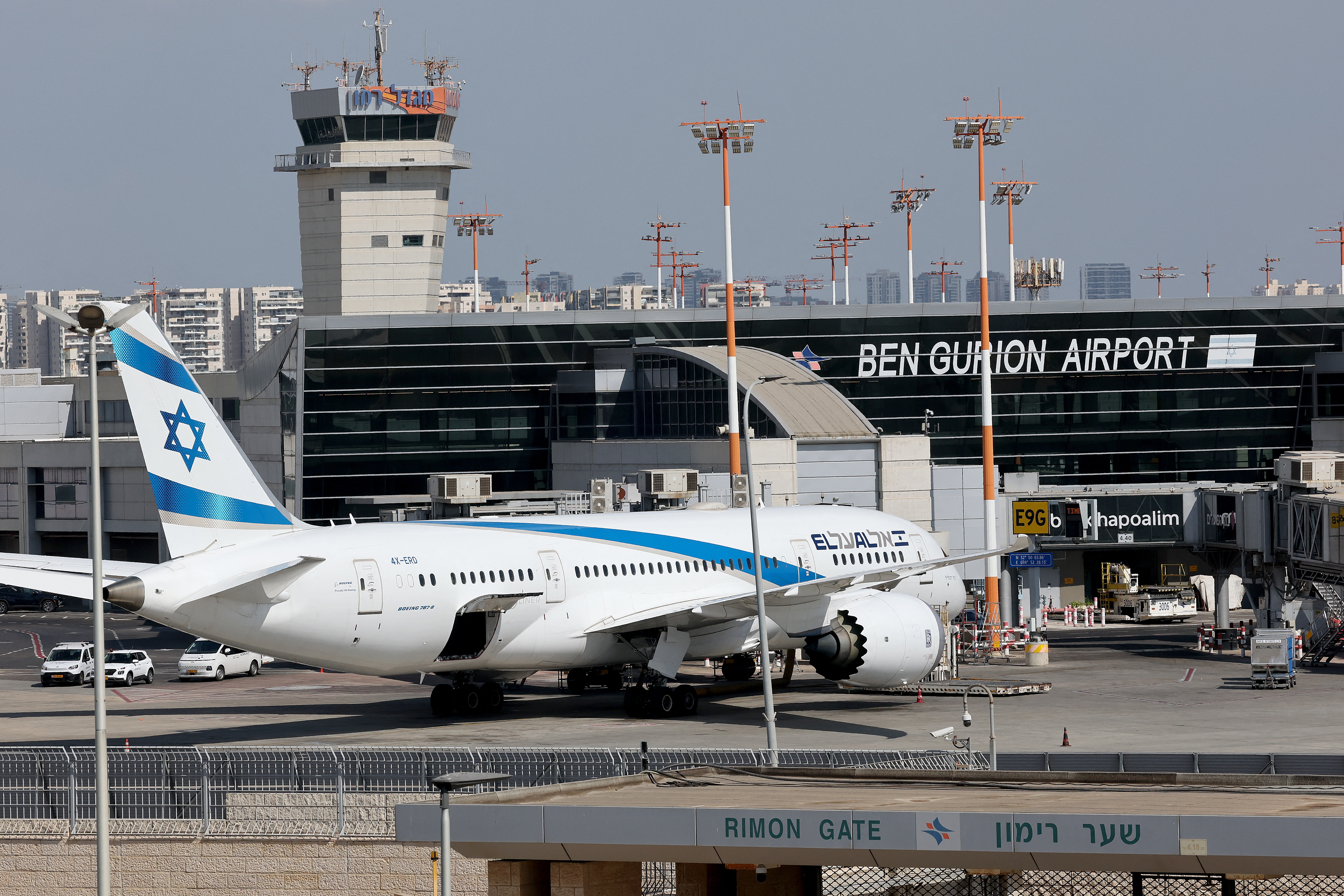
The radar screen inside the control center at Ben Gurion International Airport does not care about poetry. It cares about green blips, vectors, and closure rates. On that night, however, the silence of the room held a different weight.
Consider what happens next when a routine approach fractures into something far darker.
A FlyDubai flight was cutting through the Mediterranean airspace, its transponder humming, its cabin lights dimmed for the final descent. To anyone tracking civil aviation, it was simply another commercial transport threading the needle of a notoriously congested corridor. Inside the flight deck, though, a calculation was unfolding that belonged entirely to a different century.
An investigation would later lay bare the stark reality. The pilot—or rather, the mind that had hijacked the uniform and the controls—was not thinking about landing fees, or fuel conservation, or passenger comfort. The intention was singular, brutal, and absolute: to turn a tube of aluminum and jet fuel into a kinetic missile aimed straight at the heart of Israel's primary aviation gateway.
We live in an age of automated autopilot systems and sterile aviation protocols. We trust the voice on the intercom. We trust the white noise of the jet turbine to lull us past the abyss of human volatility. But beneath the polished veneer of modern global transit lies a terrifying vulnerability. Commercial airliners are designed to connect civilizations, not to test the limits of mass destruction from within.
The cockpit door used to be an invitation. Now it is a vault.
That shift in architecture tells its own story. It is a monument to paranoia born of tragedy. When a crew member turns rogue, the very defenses meant to protect the flight deck become a prison for the innocent passengers strapped into row 12 or row 32, reading magazines, listening to downloaded podcasts, completely unaware that their final destination has been rewritten by a single disturbed intent.
Investigators combing through flight data recorders, communication logs, and psychological profiles faced a chilling puzzle. How do you screen for malice that wears the credentials of a professional aviator? You cannot X-ray a human soul. You can check flight hours, medical clearances, and simulator performance, but you cannot peer into the quiet collapse of a mind deciding that the lives below are forfeit.
The airport tarmac at Tel Aviv is rarely quiet. Arrivals stack up over the coastline, descending in a rhythmic ballet of blinking strobe lights over the dark water of the sea. It is a landscape of perpetual motion.
When the threat was identified and neutralized—not through a Hollywood climax, but through the grueling, unglamorous convergence of intelligence alerts, vigilant air traffic controllers, and split-second protocol execution—the public received a sanitized bulletin. A foiled plot. An investigation underway.
A headline that fades by the morning cycle.
Yet the echoes of that near-miss linger in the quiet hum of every midnight flight crossing the Mediterranean. Every time the cabin chimes and the seatbelt sign flickers off, we are placing our collective existence into the hands of a stranger behind a locked door. We pretend we are passengers on a journey. Sometimes, we are simply hostages to fortune, flying through the dark on faith alone.
The investigation closed its folders. The reports were filed. But the radar screen remembers the vector that almost was.