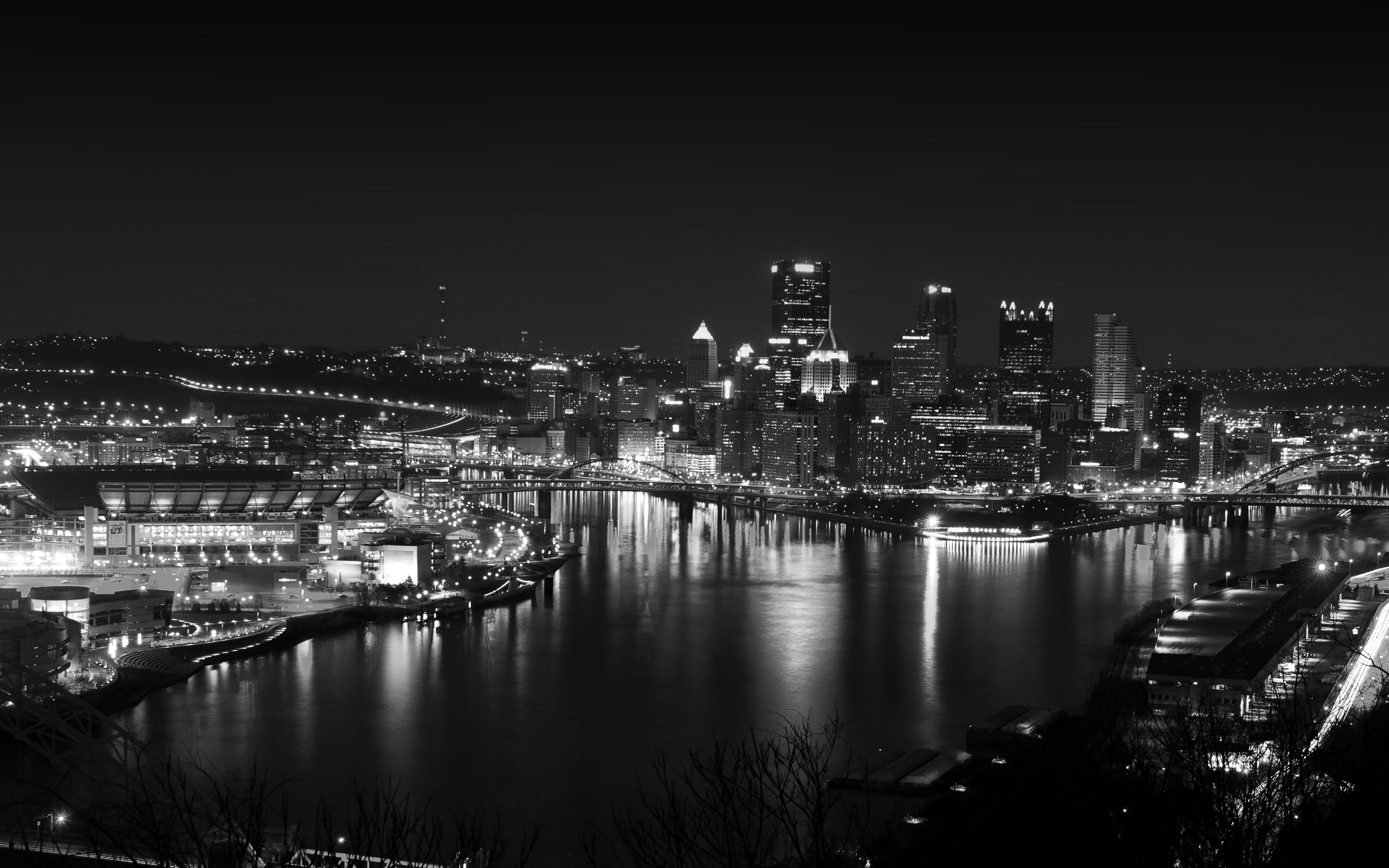
The lights of the Burj Khalifa usually slice through the desert haze like a neon spine, a billion-dollar promise that the world is stable, wealthy, and awake. But for those inside the radius of a "take cover" order, that glow feels less like a beacon and more like a target.
On a Tuesday that began with the mundane rhythm of gold souks and school runs, the air in the United Arab Emirates shifted. It wasn't the heat. It was the digital ping of an emergency notification from the US Mission. The words were clinical, stripped of any lyricism: Take cover. Seek shelter. Remain vigilant. In the sterile language of diplomacy, these are the phrases used when the regional chess board is about to be kicked over.
Consider a family in a high-rise apartment in Abu Dhabi. Let’s call the father Elias. He is a mid-level logistics manager, a man whose life is measured in shipping containers and school tuition. When that alert hit his phone, the marble floors of his living room suddenly felt thin. He didn't look at the news first. He looked at his seven-year-old daughter playing with LEGOs on the rug. The "regional security situation" isn't a headline when you are responsible for a small person who believes the walls of her home are impenetrable. It is a physical weight in the chest.
The Illusion of the Oasis
The UAE has long positioned itself as the "Switzerland of the Middle East." It is a miracle of glass and air conditioning, a place where you can buy a gold bar from a vending machine and then ski on indoor snow while it is 45°C outside. This brand is built on a singular, unspoken contract: we provide the luxury and the safety, and you provide the investment and the labor.
When a superpower like the United States tells its citizens to hide, that contract is momentarily breached.
The regional security situation—a euphemism so broad it covers everything from drone swarms to ballistic trajectories—reminds everyone that the desert is still the desert. The skyscrapers are magnificent, but they are anchored in a geography that has been defined by friction for centuries. For the thousands of American expats, diplomats, and contractors living in the Emirates, the "take cover" order is a cold bucket of water. It dissolves the fantasy of the permanent vacation.
Geopolitics is often discussed in the abstract, using terms like "strategic depth" or "asymmetric threats." But at 2:00 AM in a darkened hallway, geopolitics is the sound of a distant jet engine and the question of whether it belongs to a friend or a ghost.
The Anatomy of an Alert
Why does a mission issue such a stark warning? It is rarely based on a hunch. It is the result of signals intelligence, overhead imagery, and the frantic whispers of backchannel diplomacy. When the US Embassy tells its staff to shelter in place, they are reacting to a specific "spike" in the data.
Perhaps a battery of launchers was moved in a neighboring country. Maybe a specific threat was intercepted on an encrypted frequency. For the person on the ground, the why matters less than the where.
- Internal Rooms: The instruction is almost always to move away from windows. Shrapnel and glass are the primary killers in urban environments.
- Lowest Floors: While high-rises offer the best views of the Arabian Gulf, they are vulnerable to structural sway and direct impact.
- Communication Blackouts: In these moments, the internet often stutters. Information becomes a currency more valuable than the Dirham.
Elias, our hypothetical father, moves his daughter into the interior hallway. He brings a gallon of water and a tablet. He tells her it’s a camping trip inside the house. This is the human cost of regional instability—the sophisticated lies parents must tell to keep the shadow of war out of a child's eyes.
The Economic Echo
While families huddle, the markets react with a different kind of shivering. The UAE is a global hub for aviation and finance. Emirates and Etihad Airways operate like the circulatory system of the planet’s travel. A security threat in this airspace isn't just a local problem. It is a kink in the hose of global commerce.
Insurance premiums for cargo ships in the Strait of Hormuz spike within minutes of such an announcement. Hedge fund managers in New York and London glance at their terminals, recalculating the risk of "regional contagion." The "take cover" order is a pebble dropped into a very large, very expensive pond. The ripples reach far beyond the sands of Dubai.
Living Between the Pings
The most exhausting part of modern conflict isn't the explosion. It’s the waiting.
Expats in the UAE live in a state of high-fidelity irony. They spend their days in some of the most advanced offices on Earth, yet they keep a "go-bag" near the front door. They check the exchange rate of the dollar and the range of a medium-range missile in the same browsing session.
This psychological friction creates a specific kind of weariness. You begin to look at the horizon differently. You stop seeing a beautiful sunset and start looking for the tell-tale streak of an interceptor. The US Mission’s alert eventually expires. The "all clear" is given. People go back to the malls. They go back to the beach clubs.
But the memory of the hallway remains.
The "regional security situation" is often framed as a conflict between states, but it is actually a conflict between the human desire for a normal Tuesday and the relentless machinery of history. We build towers that touch the clouds, yet we are still brought to our knees by a text message telling us to hide from the sky.
Elias eventually carries his sleeping daughter back to her bed. He stands by the window, looking out at the city. The Burj Khalifa is still glowing. The highways are still humming with the sound of Ferraris and delivery bikes. Everything looks exactly the same as it did four hours ago.
Yet, as he watches a plane climb steadily into the dark, he realizes he is listening for a sound he hopes he never actually hears. The silence of the city is no longer a given. It is a fragile, borrowed thing, held together by the thin thread of a peace that requires constant, nervous guarding.
The lights are on, but the world is holding its breath.