The air always smells different before a fire takes a roof. It carries a flat, metallic dryness, the scent of parched pine needles baking under a merciless sky, and then, without warning, the sharp, choking bite of antiquity burning down to ash.
For the families living in the foothills outside Reno, the Hawk Fire did not arrive as a headline. It arrived as a wall.
Red light slammed through bedroom windows at hours when the world should have been dark and quiet. Sirens wailed a frantic, discordant rhythm against the backdrop of howling winds that pushed the flames forward with terrifying speed. People grabbed what they could carry in thirty seconds: a box of faded photographs, a child's worn-out blanket, the spare car keys. They left behind coffee cups still warm on the counter, laundry spinning in the drum, and lives built across decades, trusting that the mountain would still be there when the smoke cleared.
Smoke does not clear quickly. It lingers, thick and bruised, choking the valleys and turning the midday sun into a sickly, amber eye.
When the evacuation orders finally came down, they felt less like instructions and more like sentences. Get out. Now.
Consider what happens next: You drive away. You watch your rearview mirror fill with an orange glow that looks like the end of everything you know. You sit in a crowded parking lot miles away, staring at a phone screen that refuses to load updates fast enough, waiting to hear if your street survived the night.
That waiting is a specific kind of cruelty. It is an invisible weight.
Days bled into one another. Firefighters, operating on sheer exhaustion and adrenaline, carved lines into the dirt and dropped walls of water from the sky, wrestling an unpredictable beast back into submission. Slowly, inch by agonizing inch, the perimeter held. The wind died down. The orange glare faded to a dull, gray haze.
And then, the question shifted. Not is it burning? but can we go back?
News reports use clean, sanitary language for this moment. They talk about containment percentages, acreage burned, and phased repopulation plans. Officials in high-vis vests stand behind podiums, speaking in measured tones about utility lines, structural integrity, and air quality indexes.
(Note: The following personal account illustrates the emotional reality faced by returning evacuees, synthesized from common behavioral patterns documented during Western wildfire recoveries.)
Imagine walking down a driveway that you have traversed a thousand times, only to find that the mailbox is melted and the lawn is coated in a fine layer of gray soot. Your heart pounds against your ribs like a trapped bird. You turn the corner, and your breath catches.
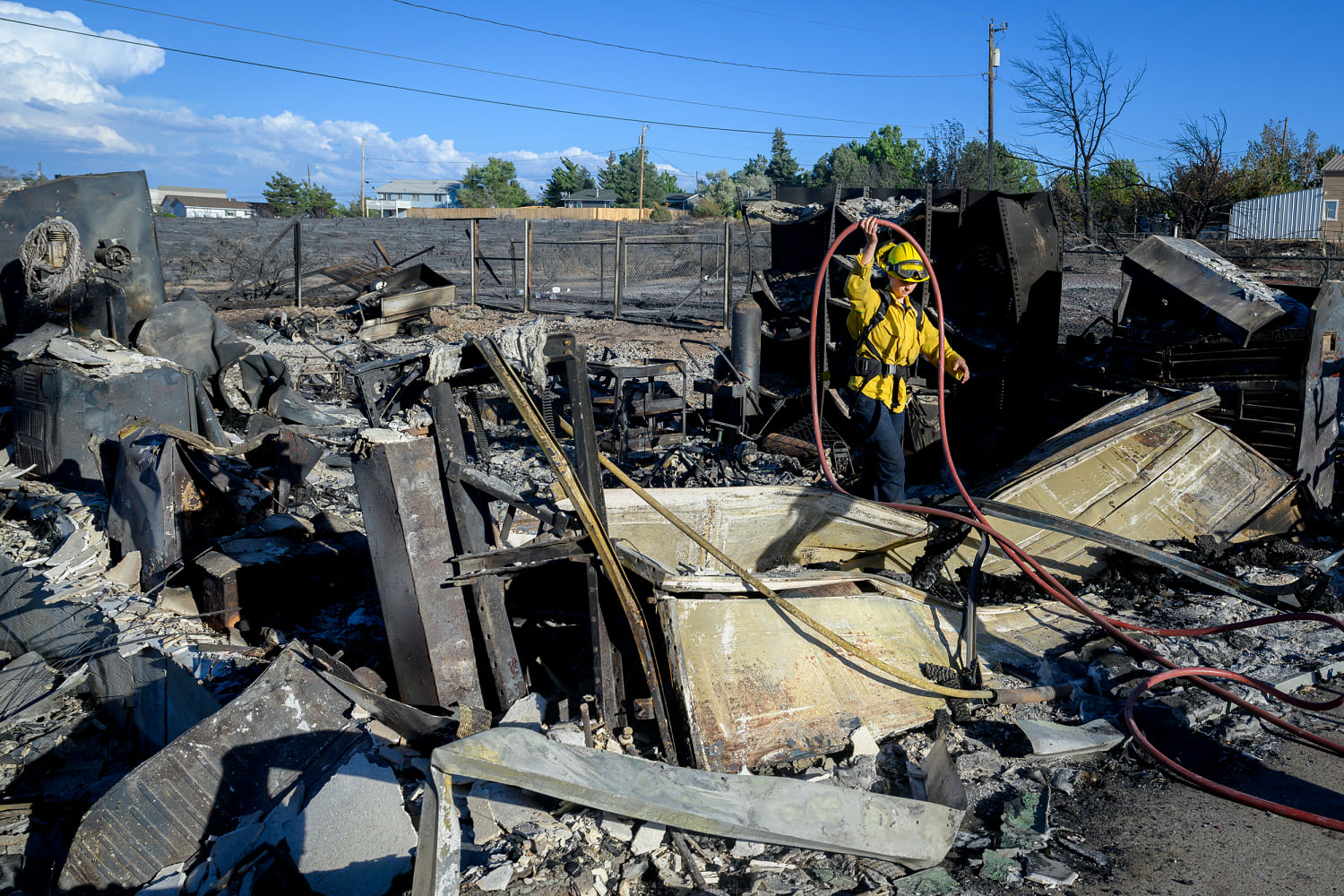
Your neighbor's house is gone. Just a jagged brick chimney standing like a lonely monument amid a field of charred debris.
You take three more steps. Your house is standing. The paint on the front door is blistered from the heat, and the windows are thick with soot, but the roof is intact.
Relief is a strange emotion. It does not feel like joy. It feels like guilt. It feels like a punch to the gut. How do you smile when the family forty feet away lost everything they owned? How do you unpack your bags when the air outside still tastes like ash?
For the residents of the Reno area affected by the Hawk Fire, that complex, jagged reality is what greeted them as authorities finally lifted evacuation orders for specific zones.
Returning home after a disaster is not a triumphant parade. It is a slow, cautious excavation.
Power lines hummed back to life with a nervous crackle. Municipal water districts issued boil-water advisories, reminding everyone that even if the pipes survived, the safety of what flowed through them remained in question. Gas technicians walked street by street, checking meters, sniffing the air for leaks, treating every home like a dormant fuse.
Officials allowed residents back in waves. Not all at once. Chaos is the last thing a fragile community needs when emergency vehicles still need room to maneuver down narrow mountain roads. Roadblocks remained manned by deputies with tired eyes, checking IDs, ensuring that only those with a legitimate right to be there crossed the line.
To the outside world, reopening a zone is a logistical checkbox. To the person standing in their driveway, holding a key that suddenly feels heavy and foreign, it is the terrifying first chapter of rebuilding.
The physical structures are only part of the equation. Trees that provided shade for fifty years are now charcoal skeletons. The local wildlife has vanished, driven deeper into the high country or lost to the smoke. The grocery store down the road smells faintly of smoke because the ventilation systems pulled the outside world indoors.
Yet, life insists on returning.
A garden hose is unspooled across a blackened lawn. Someone washes the ash off a front porch, sending dark, muddy rivers running down the concrete. Laughter erupts two doors down, nervous and high-pitched, as neighbors realize they made it through. They survived.
We tend to look at natural disasters through the lens of destruction. We count the acres. We tally the insurance claims. We analyze the wind speeds and the humidity levels, trying to find someone to blame or a system to fix.
But the real story of the Hawk Fire, and every fire that scars the American West, isn't written in ash. It is written in the stubborn, quiet refusal of people to let go of the places they call home. It is written in the handshakes between strangers sharing generators, the boxes of donated clothes sorted in high school gymnasiums, and the slow, agonizing, beautiful work of turning a house back into a home.
The smoke is gone from the main roads now. The checkpoints have moved on.
Down the street, a hammer strikes a nail, ringing out clear and sharp against the mountain air.