The silence began at 3:15 PM on a Thursday. It wasn't the heavy, oppressive silence of an empty room, but rather the sudden drop in frequency when a thousand humming engines finally cut out at once. Across the glass-and-chrome stretches of Dubai and the wind-swept avenues of Abu Dhabi, a collective exhale rippled through the school gates.
The announcement had come down like a gift from a high altitude: a nine-day break for Eid Al Fitr. To a casual observer, it was a data point on a government calendar. To the families living within the pulse of the UAE, it was a structural shift in the architecture of the year. Meanwhile, you can explore other stories here: The Invisible Walls Of The American Suburb.
Consider Sarah. She is a composite of the thousands of mothers currently navigating the frantic intersection of career and parenthood in Sharjah. Her life is measured in the staccato rhythm of school runs, lunchbox prep, and the relentless ping of WhatsApp groups. For Sarah, and for the students she wakes every morning at 6:00 AM, time is a scarce resource, usually spent in fifteen-minute increments.
Then came the declaration. Schools would close for a full week, bookended by weekends. Nine days. To understand the complete picture, check out the excellent report by The Spruce.
The Anatomy of the Pause
This isn't merely a vacation. It is a recalibration of the domestic soul. In a region that moves at the speed of light—where a new skyscraper appears to grow an inch every time you blink—the luxury of a dead stop is the ultimate status symbol.
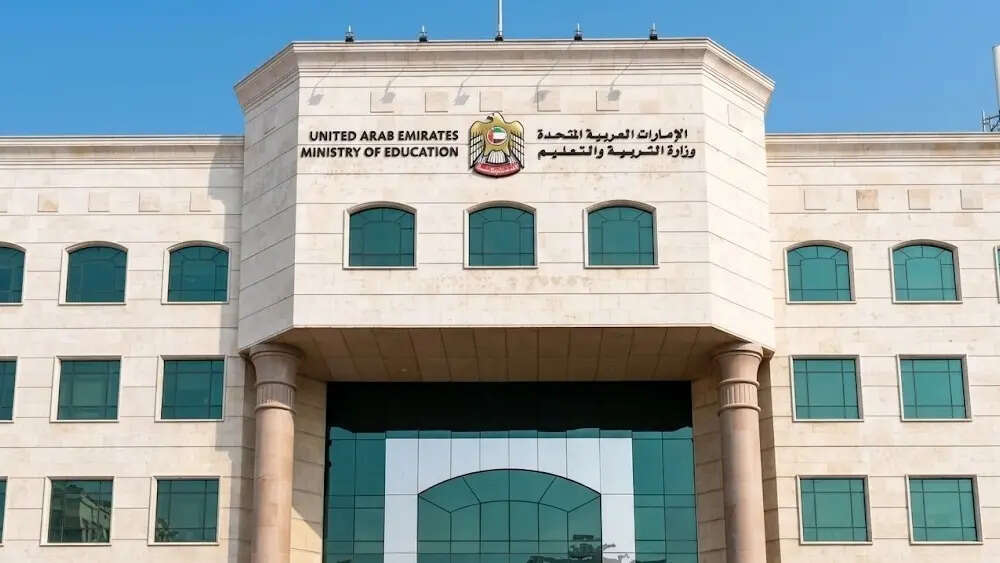
The logistics are firm and verified. The UAE Cabinet confirmed the holiday for the public sector, and as per tradition and regulation, the educational landscape followed suit. This synchronicity is vital. It means the parents and the children are released from the gears of the machine at the exact same moment.
When the Knowledge and Human Development Authority (KHDA) in Dubai and the Department of Education and Knowledge (ADEK) in Abu Dhabi align their calendars with the national moon-sighting committee’s findings, they aren't just filing paperwork. They are creating a vacuum. And in that vacuum, family life finally has room to expand.
The Invisible Stakes of the Classroom
We often talk about "learning loss" when schools close for extended periods. We worry about the math formulas that might evaporate in the heat of a desert afternoon or the vocabulary words that might slip through the cracks of a week-long PlayStation marathon.
But there is a different kind of deficit we rarely calculate: the exhaustion of the spirit.
Modern students in the Emirates are high-performers. They are polyglots, coders, and athletes who balance rigorous international curricula with the cultural expectations of a global hub. By the time April rolls around, the "battery low" warning is flashing red.
The nine-day break acts as a psychological circuit breaker. It prevents the burnout that turns bright, inquisitive children into tired, rote-learning mimics. A student who spends nine days away from a desk doesn't return with a blank mind; they return with a refreshed one. They come back with stories. They come back having rediscovered the sound of their own siblings' laughter without the backdrop of a looming spelling test.
Beyond the Airport Terminals
The initial instinct for many is flight. DXB and AUH airports transform into hives of activity as families scramble for tickets to Salalah, Baku, or the Maldives. There is a frantic energy in the pursuit of "getting away."
But look closer at the neighborhoods in the heart of the cities.
In the villas of Jumeirah and the apartments of Reem Island, a different kind of journey takes place. It’s the "staycation" that isn't about a hotel pool, but about the reclaiming of the home. It is the three-hour breakfast that lasts until noon because no one has to be anywhere. It is the late-night walk along the Corniche, where the humidity is just starting to hint at the coming summer, and the air is thick with the scent of oud and grilled corn.
Eid is the emotional core of this break, a celebration of gratitude and community that follows the discipline of Ramadan. The nine days provide the necessary runway for this celebration to breathe. It allows for the visits to extended family that are usually rushed, the sharing of ouzi that takes half a day to prepare, and the quiet moments of reflection that the holy month demands.
The Ripple Effect on the City
The economy of the UAE doesn't stop during these nine days; it merely changes its clothes. While the offices of the Dubai International Financial Centre might see a dip in footfall, the malls, the theme parks, and the desert camps surge.
The city breathes with a different lung.
Traffic on the E11 thins out. The aggressive hurry of the morning commute is replaced by the leisurely drift of families heading toward the mountains of Hatta or the beaches of Fujairah. The "invisible stakes" here are the social bonds that hold a migrant-heavy population together. In a country where so many are far from their ancestral homes, these long breaks are when "community" stops being a buzzword and starts being a lived reality. Neighbors share sweets. Strangers wish each other Eid Mubarak with a sincerity that isn't found during the work week.
The Weight of the Return
Eventually, the sun will set on the ninth day. The school uniforms will be pressed. The backpacks will be stuffed with forgotten notebooks.
But the Sarahs of the Emirates and their children will step back across the threshold of the school gates differently. They carry the weight of nine days of rest. They carry the memory of mornings where the sun came up and didn't demand they be ten minutes early for a bus.
We measure the success of a nation by its GDP, its infrastructure, and its safety. But perhaps the truest metric is its ability to stop. To recognize that the most productive thing a human being can do is, occasionally, absolutely nothing at all.
The nine-day break is a bridge. It’s a bridge from the relentless "doing" of the modern world to the essential "being" of the family unit. As the school bells ring again across the seven emirates, they don't sound like a summons back to a grind. They sound like the start of a new chapter, written by people who finally had the time to remember who they are when they aren't being students, or teachers, or employees.
The lights in the classrooms flicker on, and the city begins to hum once more, but the silence of the break remains tucked away in the pockets of every child who spent a week rediscovering the world outside the margins of a textbook.