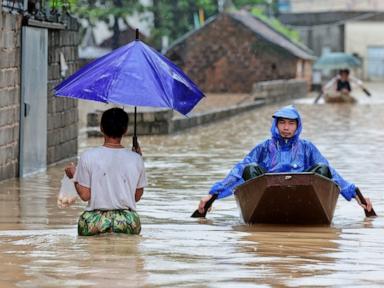
Every time heavy rain and floods tear through northern Vietnam, submerging homes and grinding regional manufacturing hubs to a halt, the mainstream press recites the exact same script. They wail about freak weather, hand-wring over supply chain friction, and demand more concrete embankments. It is lazy, panicked thinking that completely misses how physical geography actually works.
I have spent years watching corporate boards panic over a flooded warehouse in Thai Nguyen or Bac Ninh, frantically scrambling to rewrite contingency plans while completely ignoring the structural reality right in front of them. The conventional narrative treats these water events as external anomalies, surprise acts of God interrupting an otherwise pristine industrial layout. That premise is total nonsense.
The region is not suffering from unexpected bad luck. It is paying the exact price for decades of aggressive, shortsighted land-use changes that treat natural floodplains like cheap real estate.
The Fallacy of Fighting the Watershed
Look at how industrial zones and residential developments have expanded across northern Vietnam over the past two decades. Planners took dynamic river basins, choked off natural runoff paths with industrial concrete slabs, and then acted genuinely shocked when water refused to politely respect property deeds.
When you pave over natural retention basins, you accelerate peak discharge rates. Water does not care about your production targets or your foreign direct investment incentives. It follows gravity. Every time a new facility goes up on a reclaimed wetland without adequate hydrological consideration, developers are simply writing a deferred invoice that nature eventually collects with heavy interest.
The lazy consensus says we need higher dikes and faster drainage pumps. More engineering muscle to beat the water into submission. History teaches a very different lesson. Every time you constrain a river system with rigid barriers, you increase the velocity and destructive potential of the water that eventually breaches those defenses. You do not solve a watershed management problem by declaring war on the watershed. You solve it by getting out of the water's way.
Supply Chain Fragility is a Choice Not a Tragedy
When a manufacturing cluster in northern Vietnam floods, global pundits rush to decry the fragility of modern trade networks. They claim modern supply chains are too tightly wound, too dependent on concentrated geography.
That diagnosis is half-baked. The issue is not geographic concentration. The issue is a complete failure of asset placement discipline. Building high-value electronics assembly lines on historical floodplains because the land was cheap and flat is not smart business. It is a catastrophic misallocation of capital masquerading as cost efficiency.
Executives love to externalize environmental risk until the water rises past the loading dock. Then they look for government bailouts and emergency relief funds. The brutal truth is that many of these facilities should never have been zoned for heavy industry in the first place. Until corporations factor true hydrological risk into their site selection models instead of treating environmental impact assessments as mere bureaucratic paperwork, these disruptions will keep happening with clockwork predictability.
What Real Adaptation Looks Like
If we want to stop treating northern Vietnam's seasonal water crises as chronic disasters, we have to flip the economic incentive structure upside down.
First, stop insuring high-risk floodplain developments at subsidized rates. When the financial market prices risk honestly, capital automatically moves to higher ground. Second, shift industrial architecture away from ground-level sprawl toward elevated, flood-resilient construction standards. We need infrastructure that breathes with the landscape, using porous surfaces and engineered flood corridors instead of fighting every cubic inch of rising water.
The next time the rains come and the headlines start screaming about economic disruption, do not buy into the narrative of unavoidable tragedy. What you are witnessing is not a failure of the clouds. It is a failure of imagination from planners who thought they could outsmart topography.



