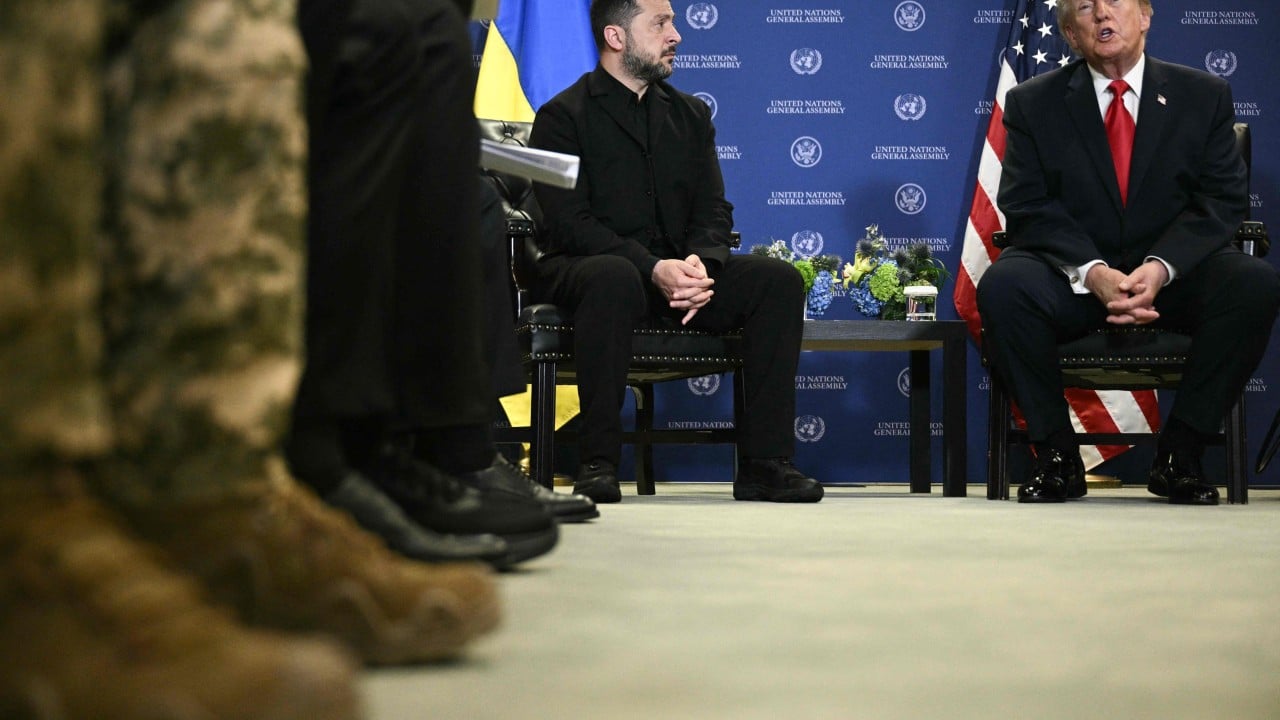
Every single major outlet is currently hyperventilating over the upcoming diplomatic summit in Oslo, framing it as a high-stakes showdown between a desperate Kyiv and an incoming Washington administration ready to pull the plug. The lazy consensus across the commentariat is simple: friction between Volodymyr Zelenskyy and Donald Trump will inevitably torpedo European security, leaving Ukraine exposed to Russian terms while Washington washes its hands of the entire affair.
This narrative is comfortable for pundits because it fits a neat, cinematic script of clashing egos. It is also completely wrong. Recently making news in related news: Why the Y-20B Tanker Changes How China Fights Far From Home.
Strip away the political theater, and you find a stark reality that nobody in the diplomatic corps wants to admit out loud. The friction in Oslo is not about personality clashes or sudden betrayals. It is the necessary, grinding mechanical adjustment of two systems realizing their original timelines have expired. When the press focuses on the optics of tension between leaders, they miss the cold structural math dictating every move on the board.
Let us dismantle the core premise that these talks represent a sudden breakdown in statecraft. Further insights into this topic are detailed by NBC News.
For three years, the narrative insisted that allied support would scale linearly until total victory or total collapse. That was always a comforting fantasy designed for public consumption rather than strategic execution. Resources are finite, industrial manufacturing capacities have hard ceilings, and fiscal fatigue is real. When statesmen gather in Norway, they are not arguing over whether to abandon a partner or double down on endless escalation; they are negotiating the painful transition from an emotional wartime strategy to a transactional realpolitik.
The conventional press treats Trump's skepticism of foreign aid as an anomaly, a break from decades of bipartisan consensus. That analysis ignores the economic data staring us in the face. No major power can sustain infinite balance-sheet exposure without severe domestic friction. The tension between Kyiv and Washington is not a personal feud; it is the friction of a superpower forcing its allies to confront the limits of external subsidization.
Pretending that this can be solved with another round of optimistic communiqués is intellectually dishonest.
What the headlines miss is that peace talks do not begin when everyone agrees on the outcome. They begin when both sides realize the cost of continuation exceeds any plausible gain. Ukraine's leadership understands that military sustainability requires domestic economic viability, which cannot exist under total mobilization forever. Washington understands that overextending strategic focus risks vulnerabilities elsewhere on the global map. Oslo is simply the venue where these hard truths are dragged into the light.
The common questions driving search traffic right now ask whether Trump will force a bad deal or if Zelenskyy can hold the line against foreign pressure. These questions accept a flawed premise: that foreign leaders hold absolute veto power over the brutal physics of attrition.
The unvarnished truth is that neither Washington nor Kyiv is driving this train entirely. The battlefield dictates the terms, and the ledger dictates the timeline. Pretending otherwise feeds a narrative of victimhood and betrayal that serves neither side.
When you strip away the punditry, the path forward requires an uncomfortable acknowledgment. Diplomatic normalization will look messy because the situation itself is catastrophic. Real security guarantees are never handed out as charity; they are bought with hard compromises and enforced through cold deterrence.
Stop looking for heroes and villains in these negotiations. Look at the balance sheets, the industrial output, and the demographic realities. Those factors do not care about headlines. They are the only things that will write the final chapter.