Blaming a Chinese hatchback for a security breach in Oslo is like blaming a notebook for writing down your password.
Lazy headlines want you to picture a sinister Beijing intelligence officer watching live feeds from Norwegian defense exercises on a wall of monitors. That makes for great cable news. It is also sloppy security analysis.
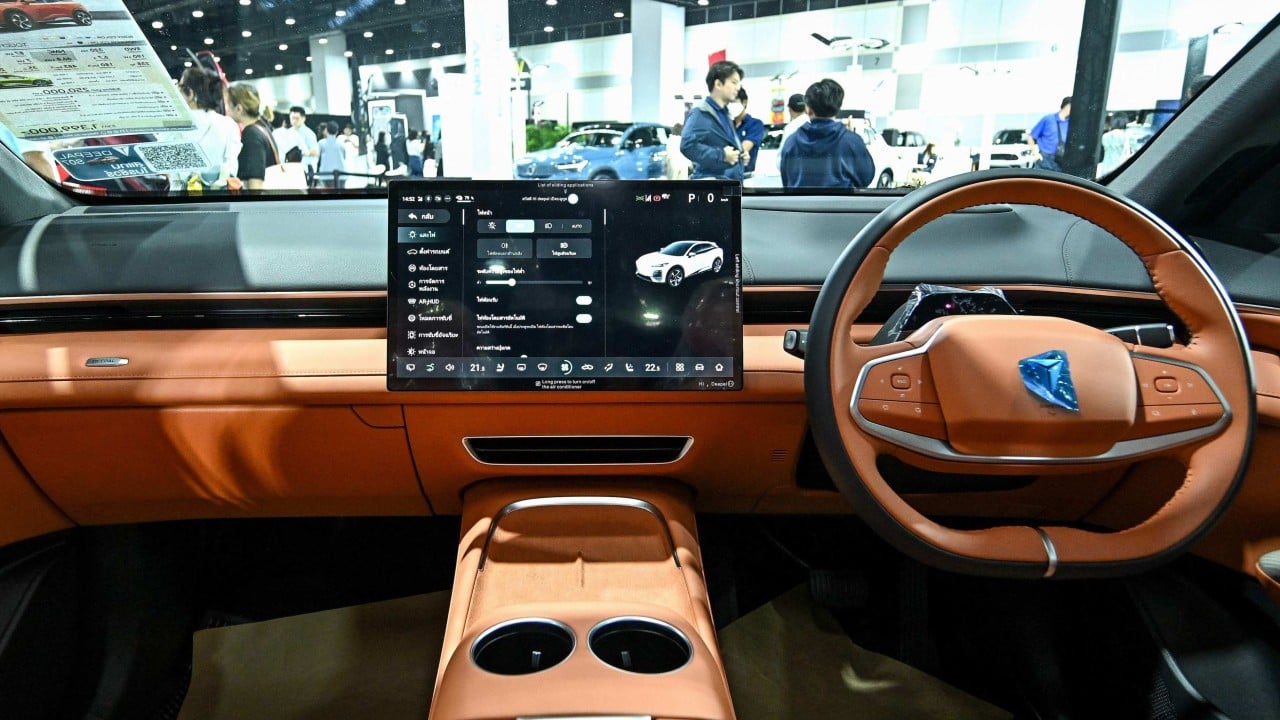
When Norwegian military personnel discovered that rented Deepal electric vehicles—built by Changan Automobile and rented through commercial channels during the September 2026 Øvelse Hovedstad exercises around Oslo—had saved footage of troops, routes, and facility access codes, alarm bells rang across defense circles. Outlets jumped straight to espionage theater. Yet public reporting has not confirmed data exfiltration back to China or deliberate spyware planted by the automaker. Soldiers found stored recordings right inside the vehicle's own system menu.
The real scandal isn't that a smart car has cameras. Every modern connected car has cameras. The real scandal is that defense logistics treated a sensor-packed computer on wheels like a 1998 diesel van, drove it straight into sensitive operations, and acted shocked when local storage captured what was in front of the lens.
The Lazy Consensus vs. Telemetry Reality
Conventional coverage treats "Chinese smart car" as a synonym for "trojan horse." Ban the brand, slap a sticker on the windshield, and call it a day.
That misses the mechanics of automotive telemetry and edge storage. Modern vehicles pack surround-view cameras, radar, ultrasonic sensors, cabin microphones, and telematics modules for parking assistance, dashcam/sentry recording, collision logs, and driver monitoring. If local recording is enabled—by factory default, regional trim logic, or prior renter settings—the car writes video and metadata to onboard storage whether the manufacturer sits in Chongqing, Munich, Detroit, or Gothenburg.
There are two separate failure modes here, and lazy pundits mash them together:
- Uncontrolled local capture and retention: A vehicle records video, audio, GPS coordinates, or cabin states onto local memory or user-accessible menus without operational sanitization. Anyone who accesses the vehicle—or steals it, services it, or inspects its drive—can find what was recorded.
- Unauthorized external transmission: Telemetry, diagnostics, or media packets leave the vehicle over cellular or Wi-Fi links toward third-party servers outside military control.
Conflating local recording with confirmed exfiltration weakens actual counterintelligence. If you only ban a single country's badges while allowing Western EVs, fleet trackers, smartwatches, and commercial drones onto bases with active recording and cloud sync, you haven't closed the sensor leak. Even Norway's own defense leadership acknowledged in parliamentary responses that sensor collection risks apply broadly across modern connected vehicles and personal smart devices, not just one nationality.
A camera that saves video to a local drive is a procurement and operational security failure first—and a foreign intelligence operation only if data leaves or is weaponized.
Are We Asking the Wrong Question About Defense Mobility?
Most people ask: Can we trust Chinese smart cars near military sites?
That is the wrong question. In a world of ubiquitous sensors, commercial satellites, RF emissions, and software-defined vehicles, "trust" is an amateur metric. Zero-trust engineering is the only one that holds up.
The sharper question is: Why are militaries relying on unvetted civilian rentals with active recording and unverified firmware for sensitive exercises in the first place?
Think about procurement incentives. Defense agencies and contractors frequently chase speed, fleet availability, and unit cost—signing multi-year rental or leasing arrangements through civilian agencies when operational tempo spikes. A car shows up on time, drives well, and costs less than a custom armored or hardened utility vehicle. Nobody checks whether sentry mode is active, whether dashcam buffers overwrite or retain clips, or whether an infotainment profile kept prior renter data.
Imagine a scenario where a NATO logistics unit rents twenty connected SUVs from a major commercial agency during a high-readiness drill. Half are European, a few are Korean, a few are Chinese. Every single one ships with exterior cameras and LTE/5G modems. If a junior driver leaves parking recording switched on—or plugs an unapproved phone into the head unit—the nationality of the automaker becomes a secondary detail next to basic operational discipline.
Battle Scars, Precision, and Where My Counter-Take Hurts
I have spent years watching enterprise and defense teams blow serious budgets on superficial hardware bans while ignoring data governance. I've seen organizations rip out one vendor's routers or devices after a headline, celebrate "mission accomplished," and leave default cloud backups, unencrypted local caches, and third-party analytics endpoints running wide open on everything else.
Let's be precise about the terms before we go further:
- Telemetry: Automated data generated by vehicle sensors and ECUs (speed, battery state, fault codes, GPS, camera frames) collected for engineering, safety, or convenience features.
- Exfiltration: The transfer of data from a controlled environment or device to an external destination without authorization.
- Data residency: Where data is stored geographically—which does not automatically equal cryptographic access control or immunity from local legal compulsion.
Heavy hitters in automotive cybersecurity and defense policy—including security researchers who have reverse-engineered connected car telematics, defense ministries across Europe and North America, and NATO security reviewers—have been warning for years that modern cars are rolling data centers. Germany's military counterintelligence reviews, U.S. defense restrictions on sensor-heavy vehicles and drones at sensitive installations, and broader NATO procurement warnings all point toward the same structural shift: mobility hardware is now part of the attack and collection surface.
Here is the honest downside to my contrarian argument, and I won't dodge it: geopolitical supply-chain risk is real, and corporate governance under authoritarian jurisdictions is not identical to Western corporate governance. Under Chinese law—such as national security and data statutes—domestic entities face legal obligations to cooperate with state authorities when required, and cross-border automotive data rules create real oversight headaches even when automakers advertise domestic servers. Pretending all jurisdictions carry equal sovereign risk would be naive. A blank check for unvetted foreign telematics inside sensitive defense zones is reckless.
The middle path—treating this as a sensor, storage, and procurement hygiene problem layered on top of clear sovereign risk tiers—is harder to write headlines about than "Evil Spy Cars." It requires actual engineering and policy work.
| Threat Vector | Lazy Consensus Take | Sharp Operational Reality | Practical Countermeasure |
|---|---|---|---|
| Onboard cameras & sensors | Only Chinese cars film bases. | Any car with surround cameras or sentry features can save local footage. | Disable/verify recording modes, mask lenses, or bar non-cleared vehicles from sensitive zones. |
| Cellular & cloud links | Every car is secretly streaming live video to Beijing. | Local storage is proven far more often than confirmed covert exfiltration. | Audit outbound network traffic, enforce RF/connectivity rules, and isolate vehicle networks from official phones. |
| Rental & fleet contracts | Cheaper civilian rentals solve short-term transport gaps. | Unvetted rentals bring unknown firmware, prior user data, and zero chain-of-custody. | Mandate pre-use inspection checklists, wipe/reset infotainment profiles, and write security clauses into leases. |
| Sovereign & legal exposure | Banning one brand fixes all espionage risks. | Leaves blind spots across other connected cars, drones, and wearables. | Apply strict sovereign exclusions for high-sensitivity assets plus universal sensor hygiene across all fleets. |
What Actually Works Instead of Performative Bans
If you run security for a defense unit, an industrial plant, or an enterprise with sensitive IP, performative outrage won't protect your perimeter. Do this instead:
- Audit what the vehicle stores locally before it crosses a gate. Check dashcam buffers, 360-degree camera logs, trip histories, and paired device lists. If a soldier browsing a menu out of boredom can pull up facility codes and troop movements, your access control and vehicle inspection protocols failed before any network packet was sent.
- Enforce hard device and network separation. Never pair official phones, laptops, or work credentials with rental or non-cleared infotainment systems. Treat every commercial rental car's Bluetooth, USB, and Wi-Fi stack as untrusted.
- Stop treating "rental car" as a harmless commodity. Build procurement and base-entry rules around capability and jurisdiction, not just sticker price or delivery speed. If a vehicle has external cameras, microphones, and always-on connectivity, treat it like a mobile sensor platform—because that's what it is.
- Apply the same sensor discipline to your own fleet. If your own organization's vehicles or staff devices collect location, audio, or video in sensitive areas, fix your retention and access controls first. Credibility starts at home.
Stop gasping at the cameras on someone else's car and start locking down the blind spots in your own perimeter.