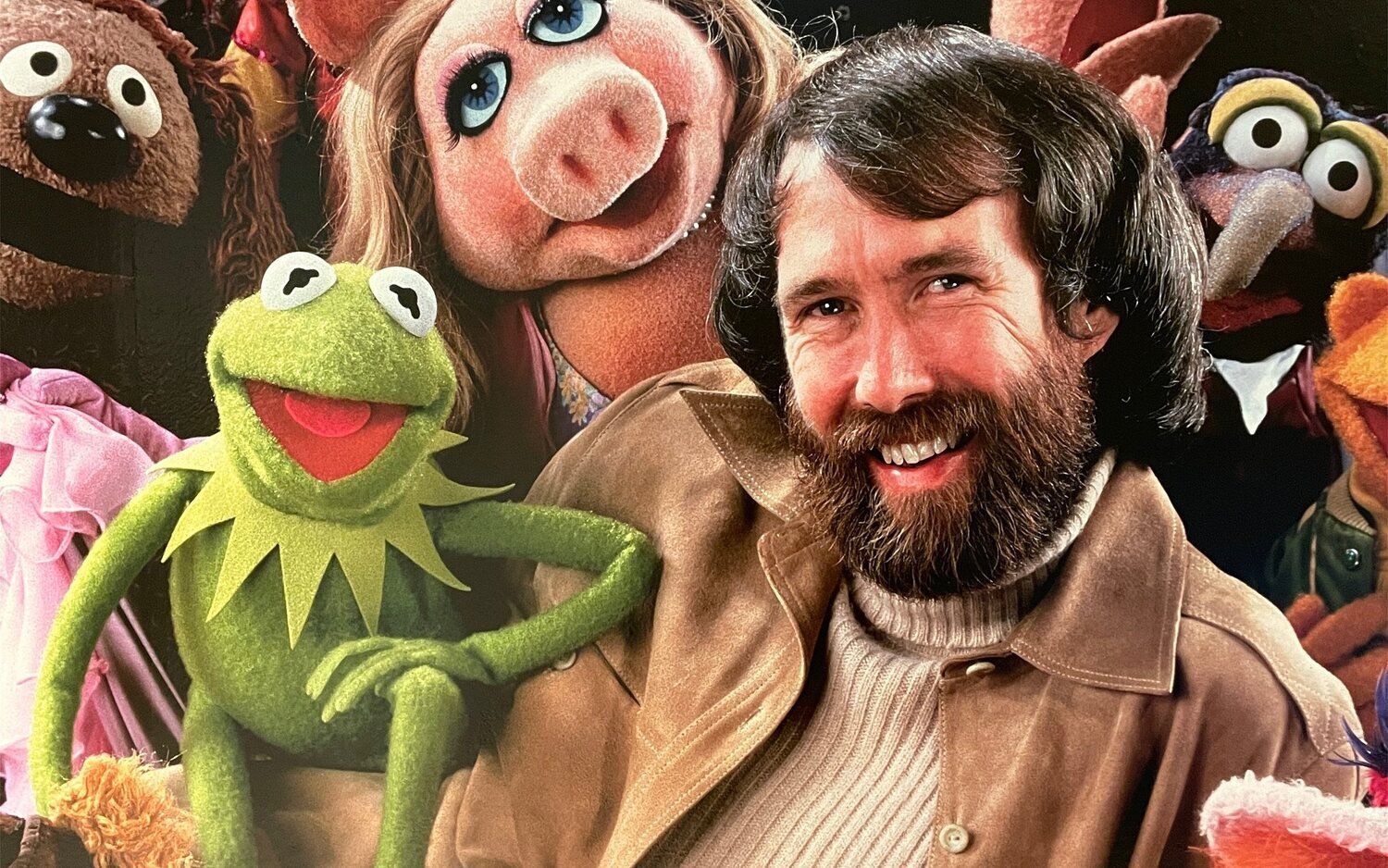
Stop calling it "delightful." Stop using the word "timeless" to describe felt puppets that have been stuck in a creative feedback loop for forty years. Every time Disney trots out a new Muppet special to a chorus of polite applause, a piece of Jim Henson’s actual legacy dies. We have become so addicted to the warm hug of childhood memories that we’ve forgotten the Muppets were originally designed to be dangerous, weird, and fundamentally anti-establishment.
The recent praise for the latest Muppet "return" is a symptom of a broader cultural rot. We are settling for a taxidermied version of greatness. We want the familiar silhouettes of Kermit and Piggy, but we’ve stripped away the chaotic energy that made them cultural icons in the first place.
The Muppets Were Never For Your Kids
The "lazy consensus" among critics today is that the Muppets represent wholesome, family-friendly fun. This is a historical revisionist lie. Go back and watch the 1975 pilot, The Muppet Show: Sex and Violence. The title wasn’t a joke; it was a manifesto. The Muppets were born in the counter-culture of the 60s and 70s. They were edgy. They hung out with Alice Cooper and Debbie Harry. They blew things up, made suggestive jokes, and existed in a state of perpetual backstage anxiety and existential dread.
By framing the Muppets as "delightful" and "timeless," Disney has sanitized the soul out of the machine. They’ve turned a punk-rock variety show into a corporate greeting card. When you see Kermit today, he’s a brand ambassador. In 1977, he was a frantic producer on the verge of a nervous breakdown trying to manage a cast of literal monsters.
If you want the Muppets to actually matter again, you have to let them be mean. You have to let them be ugly. You have to let them fail.
The Puppet Paradox: Why "More" is Actually Less
The modern entertainment industry suffers from a chronic inability to let things end. This "Special-to-Series" pipeline is a graveyard for creativity. The logic is simple but flawed: people recognize the characters, so they will watch the content.
However, the Muppets operate on a specific law of diminishing returns. Their magic relies on the "hand-crafted" illusion. When you scale that up into a 24/7 content engine, the seams start to show—not the physical seams in the fleece, but the structural seams in the writing.
- The Voice Vacuum: We pretend it doesn't matter, but the loss of the original performers (Henson, Hunt, Oz) changed the DNA of these characters. A Muppet isn't a drawing; it’s a symbiotic relationship between a performer and a puppet. You can’t just "reboot" a soul.
- The Celebrity Crutch: The original show used celebrities to highlight the absurdity of the Muppets. Today, celebrities appear with Muppets to "humanize" their own brands. The power dynamic has flipped, and the Muppets are now the accessories.
- The Loss of Stakes: In the original run, the Muppet Theater was always one bad show away from being condemned. There was a desperate, hungry energy to the performances. Now, they exist in a polished Disney vacuum where the stakes are non-existent.
The Myth of Timelessness
Calling something "timeless" is usually a polite way of saying it has stopped evolving. The Muppets shouldn't be timeless. They should be of their time.
The original Muppet Show was a parody of the variety shows that dominated the airwaves at the time. To be truly "Muppet-y" today, they shouldn't be doing a variety show at all. They should be parodying Twitch streamers, TikTok influencers, and the bloated corpse of prestige television. They should be biting the hand that feeds them.
Instead, we get "delightful" specials that lean on the same tropes:
- Fozzie tells a bad joke.
- Statler and Waldorf heckle.
- Kermit sighs.
- Everyone sings "The Rainbow Connection."
It’s not art; it’s a ritual. And rituals are for things that are already dead.
The Strategy for True Resurrection
If I were sitting in the Disney boardroom, I’d tell them to burn the scripts and stop trying to make everyone happy. The path to relevance isn't through "delight." It’s through disruption.
- Hire the "Wrong" People: Stop hiring writers who "grew up loving the Muppets." That leads to hagiography. Hire writers who find the Muppets slightly creepy or annoying. Hire people from the world of underground comedy who want to tear the format apart.
- Embrace the Grotesque: Return to the creature designs of the early Sesame Street and Saturday Night Live era. The Muppets were originally gritty. They had dirt on them. They looked like they lived in a basement.
- Kill the Meta-Commentary: The "we’re putting on a show about putting on a show" bit is exhausted. It’s been done to death by 30 Rock, The Larry Sanders Show, and the Muppets themselves three times over. Find a new lens.
The Uncomfortable Truth
We don't actually want a "new" Muppet show. We want to feel the way we felt when we watched the old one. But you cannot manufacture that feeling through repetition. By demanding more of the "timeless" Muppets, we are ensuring they never have the chance to be groundbreaking again.
The "delightful" special is a sedative. It’s designed to make you feel safe and warm for 44 minutes before you click on the next thumbnail. Jim Henson was many things, but "safe" wasn't one of them. He was an experimental filmmaker who stumbled into puppetry and decided to use it to push the boundaries of what television could be.
If we keep settling for these mediocre revivals, we aren't honoring Henson’s legacy. We are burying it under a mountain of expensive, branded fleece.
Stop asking for the Muppets to return. Ask for them to change, or let them stay in the vault where their dignity is still intact.
Go watch The Dark Crystal or the first season of The Muppet Show. Look at the grit. Listen to the subversion. Then look at the shiny, high-definition, corporate-approved special you just "loved."
The Muppets aren't back. Their ghosts are just being forced to dance for your subscription fee.
Turn off the TV. Put the puppets down.