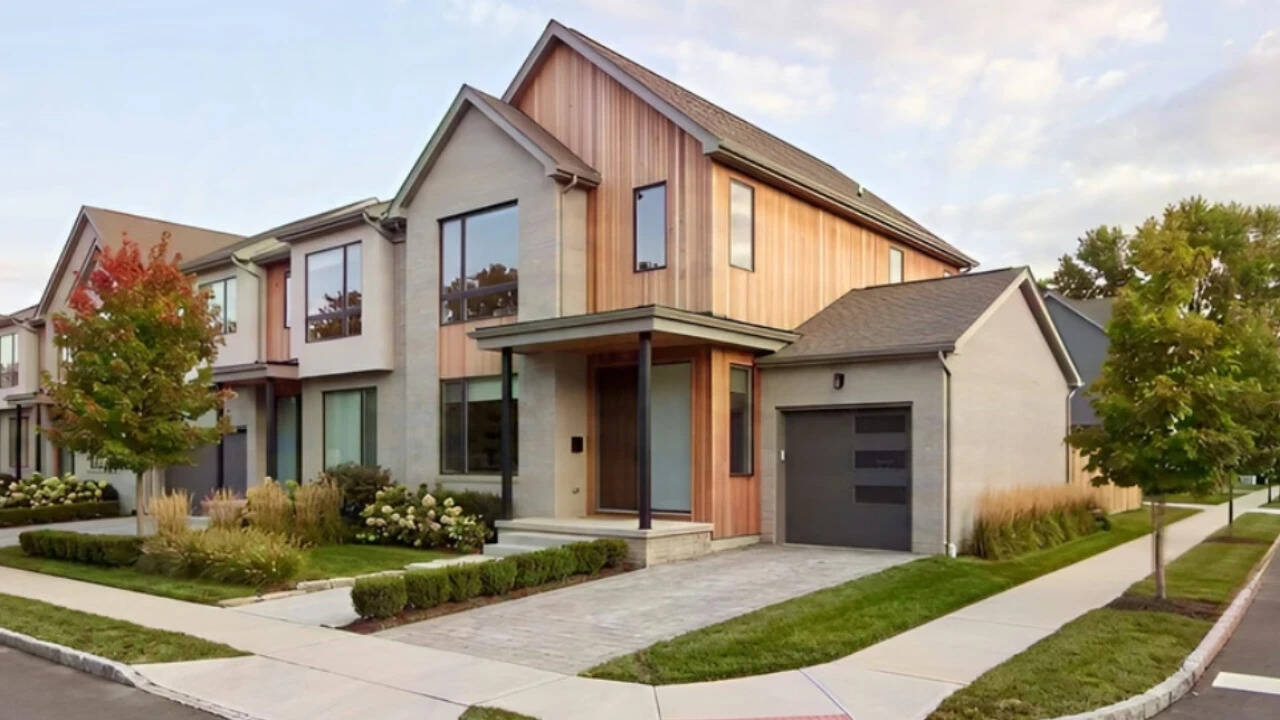
Buying a house right now feels like stepping into a financial boxing ring. Interest rates hover stubbornly high, inventory stays tight, and every halfway decent listing sparks a multi-offer bidding war before the ink on the digital flyer even dries. Most people assume you need a massive trust fund or a six-figure inheritance just to secure a modest split-level in the suburbs. But a recent real estate transaction in New Jersey proves that smart strategy still beats brute-force capital every single day.
An eligible buyer managed to purchase a 575,000 dollar home for 30,000 dollars under the listing price, while simultaneously slashing their monthly housing overhead by 350 dollars. They didn't rely on luck or stumble into a distressed property. They simply combined regional homebuyer assistance programs with aggressive, creative negotiation tactics that most real estate agents either forget to mention or don't know how to execute.
If you're tired of losing out on properties or getting crushed by monthly mortgage payments, you need to understand how this deal happened. Let's break down the exact playbook behind it.
The Reality of Today's Market Misconceptions
Too many buyers treat the housing market like a static retail store. They look at the sticker price, calculate a standard twenty percent down payment, and assume the number on the screen is the final answer. That mindset costs people tens of thousands of dollars.
Sellers often price properties high to leave room for negotiation, or they price them aggressively low to trigger a bidding frenzy. In this particular New Jersey scenario, the property sat on the market slightly longer than expected because the seller needed a quick closing timeline. That small friction point opened the door for a savvy buyer who understood how to leverage concessions.
Instead of competing against five other offers with a clean, full-price bid, the buyer used a specialized financing package combined with seller-paid closing cost credits. They looked past the emotional trap of the listing price and focused entirely on monthly debt service and cash-to-close requirements.
Stacking Incentives to Cut the Purchase Price
How do you knock 30,000 dollars off a 575,000 dollar asking price in a competitive corridor? You make your offer attractive to the seller's bottom line while utilizing state-backed support programs that ease your borrowing costs.
The buyer qualified for a state-sponsored first-time homebuyer initiative through the New Jersey Housing and Mortgage Finance Agency. These programs frequently offer down payment assistance grants or specialized low-interest loan products that reduce the overall cost of capital. When you pair cheap government-backed financing with a seller who is motivated to move, the math changes completely.
The negotiation strategy looked like this:
- The buyer offered 545,000 dollars, factoring in minor deferred maintenance items discovered during the home inspection.
- They requested a seller concession to cover a portion of closing costs, keeping their liquid cash reserves intact for future repairs.
- They locked in a favorable interest rate through a targeted mortgage program, avoiding the peak market rates that paralyze most buyers.
Sellers care about net proceeds and certainty of closing. By presenting a well-vetted financial package through a reliable lender, the buyer convinced the seller that a slightly lower purchase price with zero financing risk was better than waiting around for a higher offer that might fall apart during underwriting.
Securing That 350 Dollar Monthly Drop
Getting a discount on the purchase price is great, but lowering your recurring monthly liability is what keeps you from house-poor status. That 350 dollar monthly savings didn't happen by accident. It came down to strategic mortgage structuring and municipal tax insights.
Property taxes in New Jersey are notoriously high. If you don't factor local municipal assessments into your monthly budgeting, a great purchase price can quickly turn into a financial anchor. The buyer reviewed the property's tax history, confirmed the assessment accuracy, and structured their loan to optimize the private mortgage insurance requirements.
Furthermore, by utilizing a specific loan product with reduced mortgage insurance premiums for qualified buyers, they shaved a substantial chunk off the monthly payment. When you combine a lower principal balance from the 30,000 dollar price reduction with a carefully optimized loan structure, saving 350 dollars a month becomes entirely realistic. Over the course of a standard seven-year average ownership timeline, that equates to nearly 30,000 dollars staying in your bank account instead of going to the bank.
What Most Buyers Get Wrong About Local Assistance Programs
People love to complain that government homebuyer programs are full of red tape or take too long to close. Sometimes they do. But if you avoid them entirely out of frustration, you're leaving free money on the table.
The biggest mistake is waiting until you find a house to look into assistance programs. By then, it's too late. Sellers won't wait three weeks for a bureaucracy to approve your grant paperwork. You have to get pre-certified for these programs before you ever browse a real estate portal.
You also need to work with a loan officer who actually closes loans using state and local housing grants. Many traditional bank loan officers hate these programs because they require extra paperwork and manual underwriting. They'd rather push you into a standard conventional loan where they collect a fat commission with minimum effort. Find a mortgage broker who specializes in regional down payment assistance and knows every municipal program inside and out.
Actionable Steps to Duplicate This Success
Stop scrolling through listings dreaming of a market crash. Prices might fluctuate, but the real deals always go to the buyers who do their homework.
Start by auditing your credit score and cleaning up your debt-to-income ratio today. A higher credit score unlocks the exact tier of financing that makes state-level assistance programs viable. Next, visit your state housing finance agency website and look at their current roster of first-time buyer grants and mortgage credit certificates.
Interview at least three different lenders and ask them point-blank what down payment assistance products they actively support. If a lender stutters or tries to steer you toward a high-cost conventional loan without exploring your options, walk away.
Real estate success isn't about timing the market perfectly. It's about mastering the mechanics of the deal, finding the hidden incentives, and refusing to pay full retail price in a market built for negotiation.