Stealing a million dollars worth of merchandise takes real coordination, yet getting caught over a single pair of novelty running shoes is the kind of mistake that keeps seasoned investigators laughing for years.
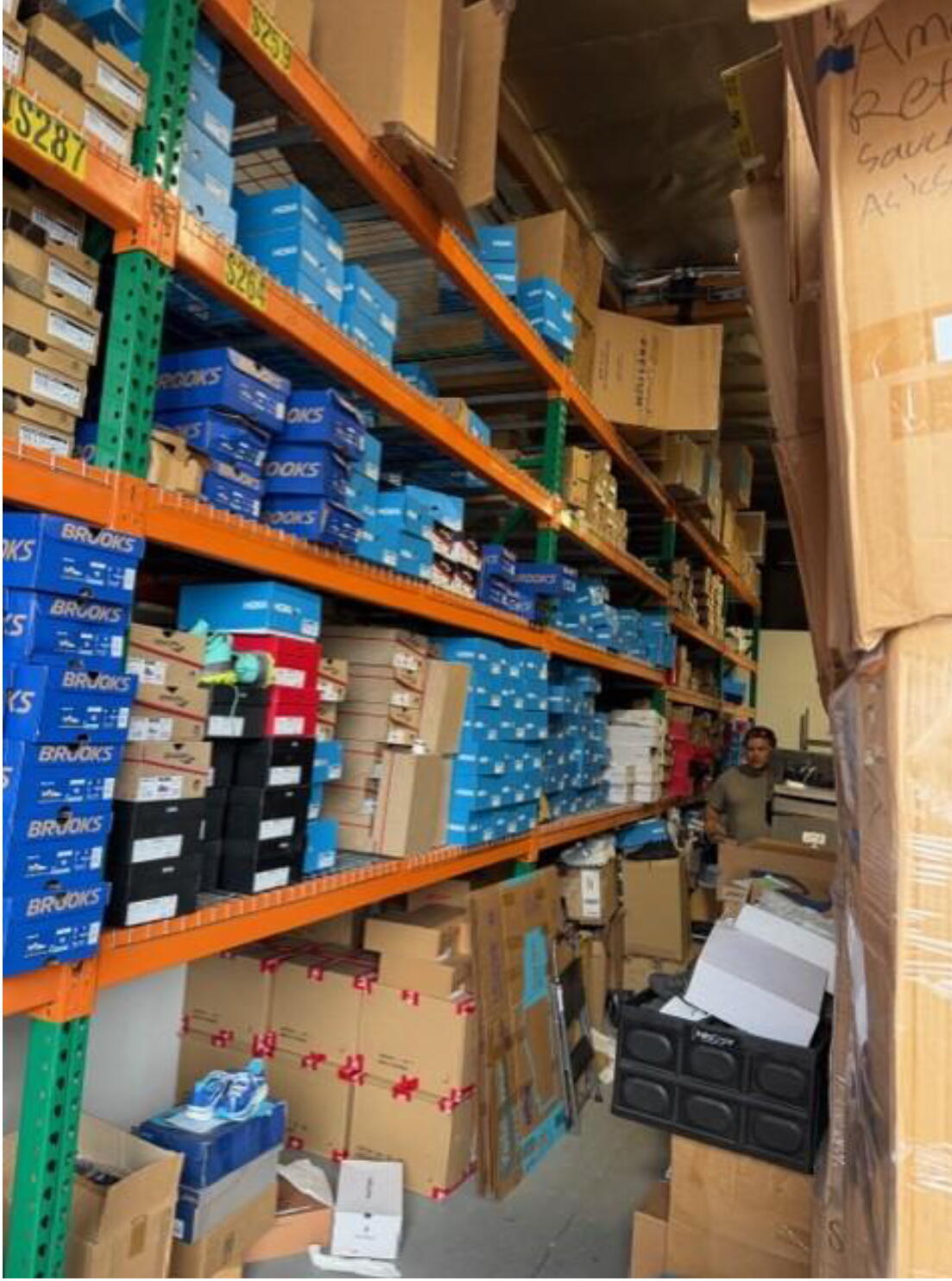
In late 2025, detectives in Florida dismantled a massive organized retail crime operation after spotting one remarkably distinct item listed for sale online. That item was a pair of limited-edition Brooks-Disney athletic shoes. When criminals try to offload hyper-specific collector gear on public resale platforms, they might as well hand law enforcement a GPS tracker.
I've followed retail loss prevention and organized theft rings for over a decade, and the pattern never really changes. Thieves get greedy. They stop sticking to generic, untraceable goods like laundry detergent or plain white t-shirts and start grabbing high-margin collector collaborations. That single lapse in judgment is almost always what brings the whole house down.
Why Rare Collaborations Are a Terrible Target for Thieves
Most people assume high-value items are the best things to steal because they bring in the highest payout per unit. On paper, that logic makes sense. If you grab twenty pairs of $180 limited-edition running shoes instead of two hundred bottles of shampoo, your getaway car looks a lot less suspicious.
In practice, it's a nightmare for a fencing operation.
Standard retail goods blend into the background of secondary marketplaces like eBay, Facebook Marketplace, Mercari, and OfferUp. Nobody bats an eye when someone in Orlando or Tampa lists ten boxes of brand-name razor blades at a thirty percent discount. Trying to move rare, serialized, or event-exclusive footwear is a completely different ballgame.
Brooks Running has partnered with runDisney for years to release specialty sneakers tied to specific marathon weekends at Walt Disney World. These aren't shoes you just walk into a random sporting goods store and pull off a shelf. They're produced in tightly controlled batches, often sold exclusively at race expos, and tracked closely by both the manufacturer and a rabid community of sneakerheads and Disney collectors.
When a pair of those exact shoes pops up on a local resale page before or right after a major shipment goes missing, investigators don't need a crystal ball. They just need a search bar.
The Digital Breadcrumbs Left Behind
Modern organized retail crime doesn't operate out of the trunk of a car in a dark alley anymore. It runs through digital storefronts. Investigators working with retail loss prevention teams spend hours every day scraping public resale listings for exact SKU numbers, batch codes, and distinct visual markers.
Here is how a single pair of sneakers unravels an entire warehouse operation:
- Immediate Inventory Matching: Retailers know down to the exact carton what was inside a stolen trailer or diverted pallet. If a shipment containing specific sizes of a Brooks-Disney collaboration vanishes, loss prevention alerts go out immediately with exact size runs.
- Seller Account Profiling: Once detectives spot the rare shoes online, they don't just arrest the seller on the spot. They pull the seller's entire storefront history to see what else is sitting in their digital catalog.
- Controlled Buys and Surveillance: Undercover detectives arrange to purchase the rare item or use subpoenas on the platform to trace the seller's IP address, payout bank accounts, and shipping labels back to a physical storage unit or residential garage.
In the Florida investigation, that single pair of Brooks-Disney shoes acted as the loose thread. Pulling on it led detectives straight to roughly $1 million in stolen merchandise, spanning athletic gear, electronics, tools, and everyday retail goods stockpiled by the ring.
Inside the Economics of Organized Retail Crime
To understand why a crew sitting on a million dollars in stolen goods would trip over a pair of running shoes, you have to look at how these operations actually function.
Organized retail crime (ORC) isn't a bunch of desperate shoplifters stuffing jackets into backpacks. According to data from the National Retail Federation (NRF) and the Homeland Security Investigations (HSI) unit, modern ORC groups operate like mid-sized logistics companies. They have boosters who hit stores or intercept cargo, middlemen who clean and sort the inventory, and digital fences who manage online storefronts.
The problem is inventory bloat.
When a crew steals at scale—hitting multiple distribution hubs, cargo trailers, or big-box retailers across county lines—they end up with massive amounts of mixed merchandise. Some of it is easy to liquidate. Power tools, cosmetics, and over-the-counter medications move fast because everyday buyers don't ask questions when they see a good deal online.
Mixed into those stolen pallets, though, are specialty items. A booster grabbing boxes off a loading dock doesn't always stop to check whether a carton of Brooks sneakers contains standard Ghost 16 trainers or a hyper-rare Disney marathon collaboration. To the guy loading the van, a box of shoes is just a box of shoes.
Then it reaches the fence. The person running the online resale accounts sees a pair of shoes that easily fetches $200 to $300 on the secondary market and lists it without thinking twice. They focus on the profit margin and completely ignore the visibility risk.
Why Cargo and Warehouse Theft Is Spiking
Shoplifting gets all the local news headlines, yet cargo theft and supply chain diversion account for the massive dollar figures we keep seeing in police busts. CargoNet, a leading supply chain risk management firm, has documented a sharp rise in strategic cargo theft across North America over the past several years.
Thieves use fictitious pickups, compromised broker accounts, and straight-up yard thefts to steal entire trailers before the goods ever hit a retail floor. When a trailer gets hit, the thieves inherit whatever manifest the manufacturer packed inside.
That creates a massive blind spot for the criminals. Unlike a store booster who hand-picks items off a display rack, cargo thieves open the trailer doors and deal with whatever is inside. If the manifest includes limited-edition collaborations, electronics with tracked serial numbers, or exclusive drops, the clock starts ticking the second those items hit the internet.
How Law Enforcement and Retailers Track Stolen Gear
A lot of people assume that once merchandise is stolen, it's gone forever and police won't bother investigating unless someone gets hurt. Ten years ago, that was largely true. Local police departments didn't have the bandwidth to chase down stolen goods across jurisdictions, and retailers rarely shared data with one another.
That setup has changed drastically.
Major retailers—including target brands like Nike, Brooks, Home Depot, and Walmart—now employ former federal agents and data analysts inside dedicated ORC task forces. Instead of treating each theft as an isolated $500 incident, they aggregate losses across state lines until the total hits felony thresholds, then hand a neatly packaged case file to state attorneys or federal prosecutors.
The Tools Used to Catch Online Fences
If you ever buy goods off third-party marketplaces, it helps to know what investigators are looking at behind the scenes. They aren't guessing. They rely on a specific set of investigative steps to connect a digital listing to a physical warehouse:
- Automated Marketplace Scraping: Retail investigators use software that flags newly listed items matching stolen manifests within minutes of them going live.
- Visual Fingerprinting: Rare items like Brooks-Disney sneakers have distinct colorways, tongue tags, and box labels. Even if a seller blurs out a barcode, the shoe itself is a dead giveaway.
- Subpoenaed Platform Records: Under federal and state laws—including the INFORM Consumers Act, which requires online marketplaces to verify high-volume third-party sellers—platforms must hand over bank account details, tax IDs, and physical addresses when served with a valid warrant.
- Physical Trash Pulls and Surveillance: Once an address is tied to an online storefront, detectives watch the location to see if boxes are being unloaded from unmarked vans or moved into commercial storage facilities.
The INFORM Consumers Act, which took effect in 2023, was a massive blow to large-scale fencing operations. Before that law passed, a thief could create dozens of anonymous seller accounts on major platforms and launder hundreds of thousands of dollars in stolen goods without ever providing a verified government ID or bank account. Now, high-volume sellers have to verify their identity, leaving a permanent paper trail straight back to the people running the operation.
What This Means for Everyday Shoppers and Collectors
If you're a runner, a Disney collector, or just someone who likes hunting for deals on resale apps, cases like this aren't just entertaining crime news. They directly affect your wallet and your risk of getting burned.
Buying stolen goods—even unintentionally—can cost you both your money and the item. If law enforcement traces a stolen collectible to a buyer, the merchandise is legally still the property of the victimized retailer or insurer. Police can seize it as evidence, leaving you fighting with a resale platform's customer service department to try and recover your cash.
Beyond the legal headache, stolen gear stored in unregulated garages or non-climate-controlled storage units often degrades quickly. Running shoes are built with specialized EVA foams and nitrogen-infused midsoles that break down when exposed to extreme heat and humidity—exactly the conditions found in Florida storage lockers during the summer. Paying collector prices for a pair of shoes that sat in a 110-degree garage for four months is a great way to end up with ruined cushioning on your first five-mile run.
How to Spot a Suspicious Resale Listing
You don't need to be a detective to protect yourself when shopping on secondary markets. If you're hunting for limited-edition sneakers or discounted retail gear, watch out for these red flags:
- Brand-New Items Without Receipts or Original Packaging: Legitimate sneaker collectors keep everything—the original box, extra laces, tissue paper, and proof of purchase from the expo or retailer. Thieves often ditch damaged outer cartons during transit and sell shoes loose or in mismatched boxes.
- Bizarre Inventory Mixes: Look at the seller's other listings. A real runner or Disney fan might sell a few pairs of shoes, some race medals, or park merchandise. A fence will have two pairs of rare Brooks sneakers listed right next to unopened DeWalt drills, bulk boxes of Tide pods, and baby formula.
- Stock Photos Only: Sellers moving hot merchandise in bulk rarely take the time to photograph individual items properly. They pull images straight from the manufacturer's website to avoid showing specific box labels or serial numbers.
- Urgency and Cash-Only Local Meetups: High-volume fences love local cash deals because they bypass the digital paper trail created by shipping labels and platform payout systems. If someone pushes hard to meet in a random parking lot for cash on a high-value collector item, walk away.
The Bigger Picture for Retail Security
The $1 million bust triggered by those Brooks-Disney shoes proves a simple truth about modern crime: scale creates vulnerability.
When a theft ring stays small, it stays invisible. The moment criminals try to build a million-dollar enterprise on the back of stolen retail goods, they inherit every logistical headache a legitimate business faces—warehousing, inventory tracking, customer service, and distribution—without any of the legal protections.
Retailers and law enforcement have finally caught up to how stolen goods move online. Between mandatory seller verification laws, shared intelligence databases, and hyper-specific product tracking, hiding a massive stash of stolen merchandise in plain sight has never been harder.
If you're buying limited-edition gear on the secondary market this year, stick to platforms with built-in authentication guarantees like StockX, GOAT, or eBay's Authenticity Guarantee program, always check a seller's full catalog before sending money, and never buy high-end collector footwear from an account that looks like a liquidated hardware store.