Donald Trump’s grip on the Republican Party feels absolute, but the math in the United States Senate doesn't care about feelings. While the MAGA movement has successfully primaryed many of its critics, a razor-thin majority means that a single dissenting GOP vote can still turn a "done deal" into a high-profile disaster. If you think the White House has a clear path to filling every top-tier vacancy with whoever they want, you haven't been paying attention to the Senate Judiciary Committee.
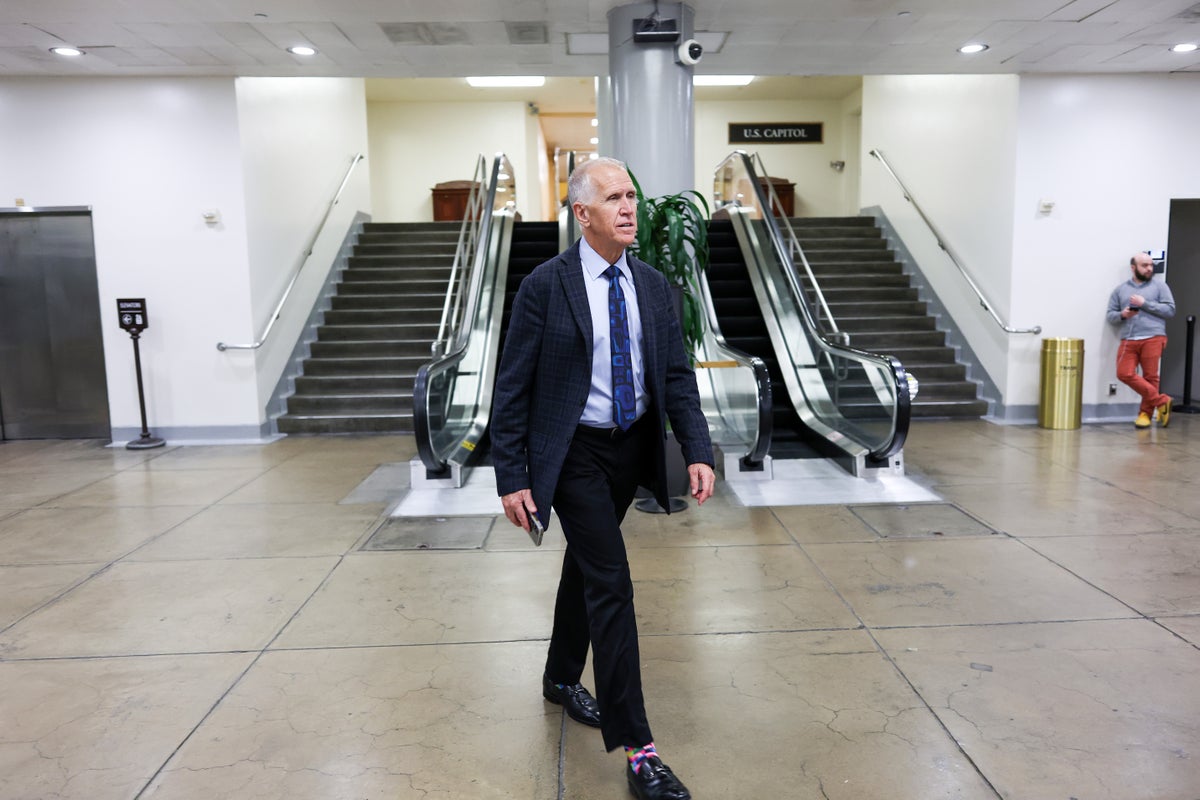
The reality of 2026 is that the administration is hitting a wall, and that wall is named Thom Tillis. The North Carolina Republican isn't just another body in a suit; he's a retiring senator with nothing to lose and a very specific set of red lines. For an administration that thrives on loyalty, Tillis has become a self-appointed referee who is more than happy to blow the whistle.
The Gatekeeper of the Judiciary
With the recent removal of Pam Bondi as Attorney General, the spotlight has shifted to who comes next. Usually, a president with a majority can coast through these picks. But the Senate’s confirmation process is a brutal gauntlet of committee hearings and floor votes where even a two-vote defection can sink a nominee.
Thom Tillis holds a unique position of power on the Senate Judiciary Committee. He’s already proven he’s willing to use it. Last year, he single-handedly tanked Ed Martin’s bid for U.S. Attorney in D.C. Why? Because Martin’s past comments on the January 6 Capitol riot didn’t sit right with him. Tillis has been blunt about his litmus test. If a nominee justifies or condones the violence of that day, they won't even get a hearing if he has anything to say about it.
It's not just about the past, though. Tillis is currently holding up Federal Reserve vacancies too. He refuses to move on any nominee until the Justice Department drops its perjury probe into Jerome Powell. This isn't just "procedural friction." It’s a deliberate exercise of leverage that most partisans are too scared to try.
Why the Math is So Dangerous for Trump
Politics is a game of numbers. In a chamber where the GOP holds 53 seats, the margin for error is non-existent when you account for other wildcards like Lisa Murkowski and Susan Collins. Murkowski, the moderate from Alaska, has already been vocal about her concerns regarding the administration’s current stance on Iran and the deployment of troops.
[Image of the U.S. Senate Chamber layout]
When you combine Tillis’s principled stands on the Judiciary Committee with Murkowski’s skepticism on foreign policy, the "Trump Mandate" starts to look more like a negotiation. The administration can’t just nominate "loyalists" and expect them to sail through. They have to nominate people who can survive a Tillis-led interrogation.
- The January 6 Litmus Test: Any nominee for a law enforcement role must distance themselves from the 2021 riot.
- Institutional Independence: Tillis has shown he'll protect the Federal Reserve’s autonomy, even if it means clashing with the West Wing.
- Retirement Shield: Because Tillis isn't running for re-election, the usual threats of a primary challenge or a nasty tweet from the President don't carry the same weight.
Cracks in the Coalition
It’s easy to look at the 53-47 vote that blocked the war powers resolution last month and assume the GOP is a monolith. But look closer. Rand Paul broke ranks to vote with Democrats. In the House, the MAGA movement is splintering as some members push back against threats to Iranian civilian infrastructure.
The pressure is building. Senator Ron Johnson has voiced concerns about destroying civilian targets. Even Murkowski took to X (formerly Twitter) to demand a de-escalation of "saber-rattling." These aren't just polite suggestions; they're warnings that the Senate is not a rubber stamp.
If the White House tries to bypass the Senate through recess appointments, they’ll likely find the courts—and their own party—standing in the way. The confirmation process exists to vet the "best and brightest," but in practice, it’s a filter for the "least offensive to the holdouts."
How to Track the Power Struggle
If you want to know which way the wind is blowing, stop looking at the rallies and start watching the committee calendars. The Senate Judiciary Committee is where the real drama lives. When the next Attorney General nominee is announced, don't check Truth Social for the reaction—check Thom Tillis’s press releases.
Watch for these specific signs of trouble:
- Hearing Delays: If a committee chair won't schedule a hearing, it usually means they don't have the votes.
- "Soft" Endorsements: When a senator says they "look forward to meeting the nominee," it’s often code for "they better have some good answers."
- Budget Holds: Senators like Tillis use their power to block unrelated nominees to get what they want on other issues, like the Jerome Powell situation.
The White House might have the microphone, but the Senate still has the gavel. As long as a few Republicans are willing to prioritize institutional norms over party loyalty, the path to filling top government jobs will remain a minefield.
To stay ahead of the next confirmation battle, follow the Congressional Record for committee transcripts. The most important moments aren't the soundbites on the evening news; they're the technical questions about departmental independence and the rule of law asked in half-empty hearing rooms. That’s where the real "kibosh" happens.