As conflict intensifies between Iran and regional adversaries, New Delhi is quietly activating a massive naval contingency plan to safeguard its energy imports. The Indian Navy has placed its frontline warships on high alert, preparing to escort commercial oil tankers through the volatile waters of the Persian Gulf and the Strait of Hormuz. This development directly addresses India's acute vulnerability to Middle Eastern supply disruptions, ensuring that millions of barrels of crude continue to reach Indian ports despite escalating regional warfare. Yet, while the deployment provides immediate tactical reassurance, it exposes a deeper, structural vulnerability in India's energy security framework that naval firepower alone cannot fix.
The Strait of Hormuz Chokepoint
New Delhi’s sudden naval posturing is not a display of power. It is an act of economic survival.
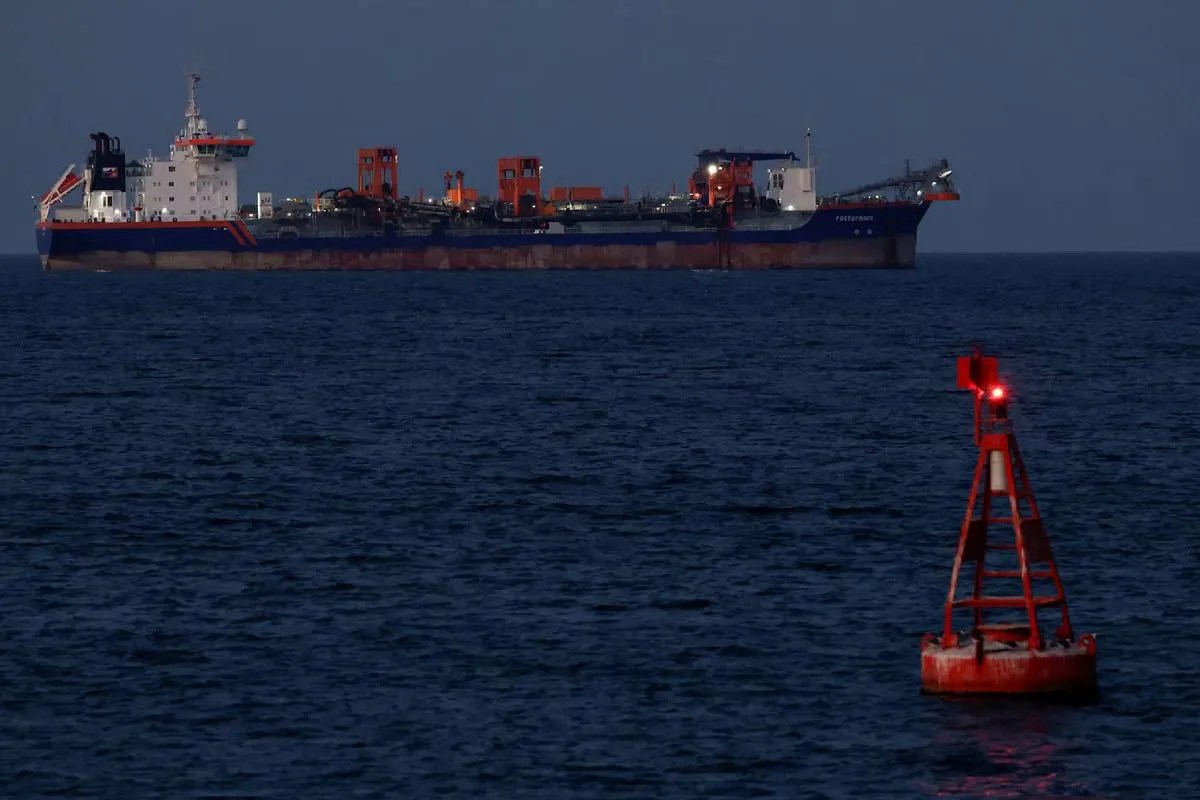
India imports over 80 percent of its crude oil. A significant portion of these supplies must pass through the Strait of Hormuz, a narrow waterway flanked by Iran to the north and Oman to the south. When tensions in the region boil over into active conflict, this chokepoint becomes a shooting gallery. Drone strikes, sea mines, and illegal ship seizures turn standard commercial voyages into high-stakes gambles.
Strait of Hormuz Chokepoint Risk Profile:
- Daily Oil Flow: ~20-21 million barrels per day globally
- Indian Dependency: Over 40% of total crude imports transit this route
- Primary Threats: Loitering munitions, anti-ship missiles, fast-attack craft seizures
For New Delhi, a prolonged disruption here means immediate economic distress. The government cannot afford to wait for international coalitions to secure these waters. By deploying asset-heavy naval escorts under the expanded banner of Operation Sankalp—the navy's maritime security initiative—India is signal-routing its intent to protect its own economic interests independently.
The Operational Blueprint of Indian Naval Escorts
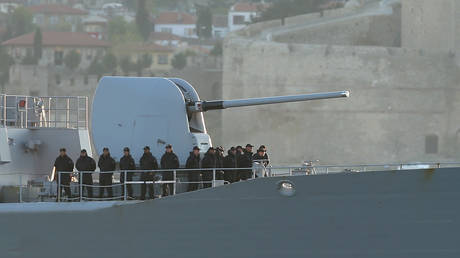
Executing a continuous convoy protection mission thousands of miles away from home ports requires immense logistical stamina. The Indian Navy is deploying guided-missile destroyers and stealth frigates equipped with advanced air defense systems. These vessels act as physical shields for Indian-flagged and Indian-bound Very Large Crude Carriers (VLCCs).
The tactical approach relies on layered defense. Overhead, P-8I Neptune maritime patrol aircraft conduct long-range reconnaissance, scanning the sea lanes for suspicious surface vessels or asymmetric threats like low-cost loitering munitions. Below, the warships utilize electronic warfare suites to jam enemy targeting systems while readying surface-to-air missiles for close-in protection.
It sounds foolproof on paper. In reality, escorting massive, slow-moving tankers through a crowded, hostile body of water is a logistical nightmare. A single modern anti-ship missile or a well-placed drone can cause catastrophic damage to an unarmored oil vessel. The navy can mitigate the risk, but they cannot eliminate it.
The Cold Economics of Wartime Maritime Insurance
The biggest immediate threat to India’s oil supply during an Iran-centric conflict is not necessarily a sunken ship. It is the math calculated by maritime underwriters in London and Singapore.
The moment a region is declared a war risk zone, insurance premiums for commercial shipping skyrocket. War Risk Additional Premiums (WRAP) can increase tenfold overnight. For a standard tanker carrying two million barrels of crude, these extra insurance costs can add millions of dollars to a single voyage.
"When the shooting starts, shipping companies do not look at flags; they look at their balance sheets. If the insurance costs outpace the profit margin of the cargo, the ships simply stop sailing."
If international shipping lines refuse to enter the Persian Gulf due to prohibitive insurance costs, India's naval escorts become irrelevant. The navy cannot escort ships that refuse to leave port. To counter this, New Delhi has previously floated the idea of a domestic shipping insurance fund, but a fully operational sovereign insurance guarantee mechanism remains unrefined. Without it, the physical presence of Indian warships only solves half the problem.
Moving Beyond the Middle East
The current crisis highlights the limits of India’s diplomatic balancing act. New Delhi has maintained traditionally strong ties with Tehran while simultaneously building deep strategic partnerships with Gulf cooperation countries like Saudi Arabia and the UAE. When these regional players enter a hot war, India’s neutrality is tested to its absolute limit.
Relying on naval escorts is a temporary band-aid on a chronic vulnerability. True energy security requires a structural overhaul of how India sources its hydrocarbons.
India's Shifting Crude Import Architecture
+--------------------+-------------------------+-------------------------+
| Era                | Primary Source Region   | Strategic Risk Profile  |
+--------------------+-------------------------+-------------------------+
| Pre-2022           | Middle East (60-65%)    | High Chokepoint Risk    |
| 2022-2025          | Russia (Discounted)     | Sanctions & Payment Blocks|
| Future Target      | Diversified Global      | Higher Freight Costs    |
+--------------------+-------------------------+-------------------------+
While the shift toward discounted Russian crude over the last few years offered temporary relief and altered traditional import patterns, it did not eliminate the geopolitical risks inherent in Indian energy logistics. Tightening Western sanctions and payment complications have shown that relying heavily on any single geopolitical volatile source carries a shelf life.
To insulated its economy from the fallout of an Iran war, India must aggressively diversify toward suppliers in West Africa, Latin America, and the US Gulf Coast. These routes bypass the Middle Eastern chokepoints entirely, reducing the need for constant military protection.
The Strategic Petroleum Reserve Deficiency
When sea lanes close, a nation must rely on its emergency stockpiles. This is where India’s armor is thinnest.
India’s Strategic Petroleum Reserve (SPR) currently holds roughly 5.33 million metric tonnes of crude oil, which equates to roughly 9 to 10 days of consumption. In contrast, member countries of the International Energy Agency (IEA) maintain emergency reserves equivalent to at least 90 days of net imports.
While phase two of India’s SPR program aims to expand this capacity significantly, progress has been slow, hindered by land acquisition issues and commercial terms. If a conflict in the Gulf shuts down the Strait of Hormuz for more than a month, even a fully deployed Indian Navy cannot stop the domestic economy from running dry once those nine days of reserves vanish.
The Asymmetric Warfare Challenge
The Indian Navy is trained to fight conventional battles against known state actors. However, a conflict involving Iran rarely stays conventional.
Tehran’s maritime strategy relies heavily on asymmetric warfare. This involves the use of swarm tactics using fast-attack crafts, civilian vessels converted into missile platforms, and proxy forces operating from unexpected coastlines, such as the Houthi forces in the southern Red Sea.
A destroyer designed to fight other destroyers struggles when facing dozens of low-cost, explosive-laden drones attacking simultaneously from multiple directions. The financial asymmetry is stark: firing a million-dollar air-defense missile to down a twenty-thousand-dollar drone is a losing proposition over a long war of attrition. The navy's current deployment will test its ability to adapt to these unconventional, grey-zone tactics in real time.
The deployment of Indian warships to the Gulf is a necessary emergency measure that protects immediate shipments and signals India's status as a net security provider in the Indian Ocean region. But it remains a tactical reaction to a deep-seated strategic flaw. India cannot build a sustainable economic future on the back of a naval convoy system. True maritime and economic security will only arrive when New Delhi builds enough domestic storage capacity and diversifies its supply lines to ensure that a flare-up in the Middle East does not automatically threaten to stall the entire Indian economy.