The Outbreak Panic Playbook Is Broken
Every summer, the standard media machine kicks into gear. A few dozen reported cases of a gastrointestinal bug spark sensationalized headlines about an expanding multi-state crisis. Newsrooms churn out map graphics covered in red warning zones. Food safety pundits jump on television to tell consumers to wash their produce, throw out their bagged salads, and demand tighter federal inspections.
It is a predictable, lazy ritual. It also completely misunderstands how foodborne disease tracking actually works.
When health officials announce that a Cyclospora outbreak has expanded across nine states, the public assumes a massive wave of contamination is actively sweeping through farms and grocery aisles. That assumption is almost entirely wrong. What the public sees as a growing threat is usually just a delayed artifact of routine epidemiological paperwork.
By hyper-focusing on the geographic count of reported cases, mainstream coverage creates a false sense of sudden emergency while obscuring the structural realities of globalized produce distribution. The problem is not that our food supply is suddenly failing every July. The problem is that our entire method of communicating risk relies on panic-driven metrics rather than logistical mechanics.
The Illusion of the Expanding Map
When public health agencies publish updates on a parasite like Cyclospora cayetanensis, they are not tracking a live spread in real time. They are looking into a rearview mirror.
Consider the biological and bureaucratic timeline required to register a single confirmed case:
- Ingestion: A consumer eats contaminated imported produce (often leafy greens, berries, or cilantro).
- Incubation: The parasite takes anywhere from 2 to 14 days to cause noticeable symptoms.
- Medical Care: The individual waits several days, hoping the discomfort passes, before finally seeing a physician.
- Testing: Standard stool cultures often miss microscopic parasites. Specific molecular assays or specialized PCR tests must be ordered.
- Reporting: Lab results are confirmed and submitted to state surveillance systems, which eventually route data to federal databases.
By the time a case is officially counted in an aggregate outbreak total, three to six weeks have typically elapsed since the contaminated food was purchased and eaten. The shelf life of fresh cilantro or field-grown lettuce is a fraction of that duration. The specific batch of produce that caused the illness has long since disappeared from store shelves, kitchen fridges, and local waste streams.
When media reports declare an outbreak is expanding to nine, ten, or twelve states, they are rarely describing an active, spreading vector. They are describing the slow, steady catch-up of public health laboratories processing backlog samples from weeks earlier.
The map isn't lighting up because the threat is spreading today. It is lighting up because administrative paperwork is finally being completed.
Misdiagnosing the Vector: Wash Your Greens Won't Save You
The standard consumer advice rolled out during these alerts is worse than useless; it provides a false sense of security.
Every headline urges readers to wash their produce thoroughly. Yet, anyone who understands the physical biology of Cyclospora knows that household water rinsing does almost nothing to neutralize the risk.
Unlike surface-level bacteria like E. coli or Salmonella, Cyclospora sporocysts produce a durable, sticky outer wall. They adhere tightly to the micro-textures of leaves, stems, and berry surfaces. Standard tap water flow rates cannot physically dislodge them, and common chlorine rinses at commercial processing facilities do not reliably kill them at concentrations that remain safe for consumption.
The Reality of Persistence: Cyclospora is exceptionally resistant to standard chemical disinfectants, including routine chlorinated water washes. Relying on home washing to eliminate microscopic parasitic oocysts is an exercise in misplaced hope.
Furthermore, Cyclospora is uniquely adapted to tropical and subtropical agricultural environments. Unlike bacterial pathogens that multiply rapidly inside warm, improperly stored food, this parasite requires days or weeks outside a host to mature into its infectious stage. This means human-to-human transmission is virtually nonexistent, and direct contamination at the domestic retail level is exceptionally rare.
The breakdown occurs much further up the supply chain—at the source where agricultural water meets the crop.
The Real Failure: Agricultural Water Infrastructure
If washing produce doesn't solve the problem, and media maps misrepresent the timeline, where should attention actually be directed?
To the irrigation lines.
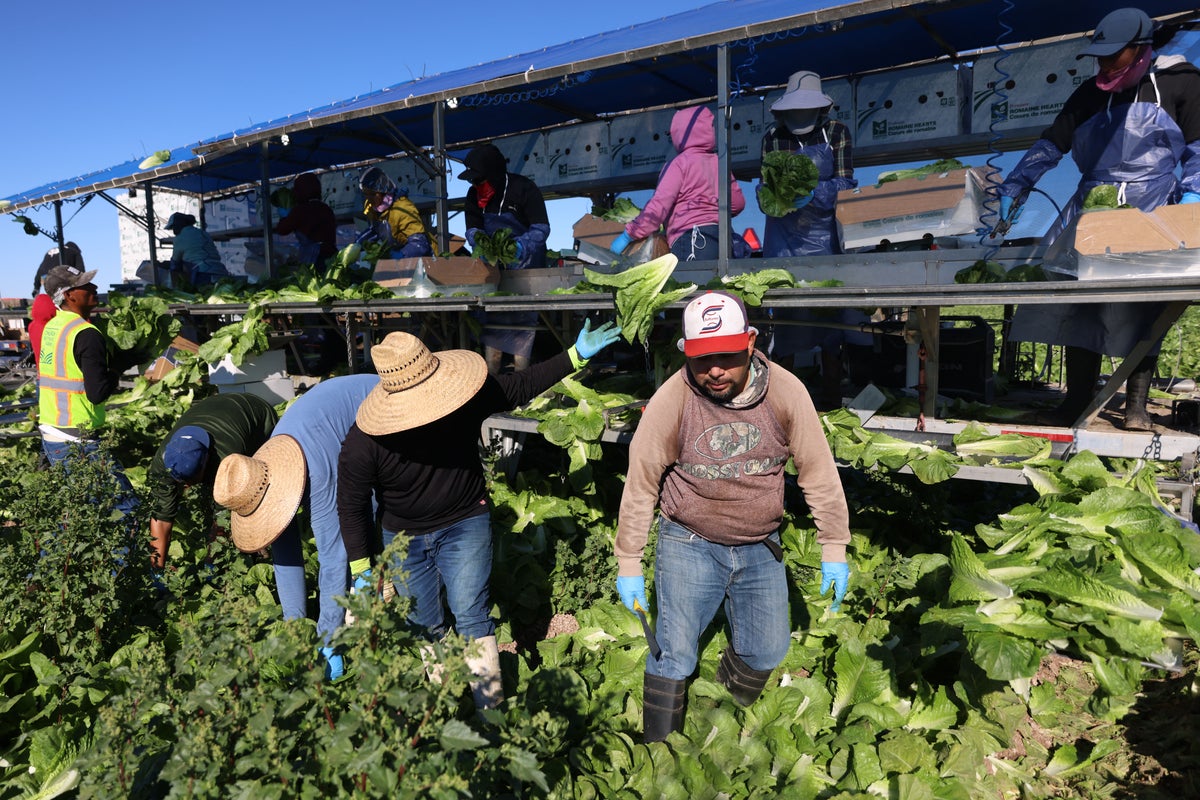
Fresh produce imported during late spring and summer months frequently originates from regions where water infrastructure lacks rigorous, automated treatment protocols. When floodwaters, agricultural runoff, or untreated human waste contaminate farm supply lines, microscopic parasites enter the agricultural stream. Once sprayed onto field crops, the oocysts adhere to the produce and survive the long transit through cold-chain logistics.
Fixing this issue requires addressing two unglamorous, highly technical realities:
1. Water Treatment Modernization at Source Farms
Focusing on domestic retail stores or consumer handling is misplaced effort. Real mitigation requires mandatory, verifiable water treatment—such as specialized ultraviolet (UV) filtration or advanced ozone treatment—at the farm level before water touches high-risk crops.
2. Supply Chain Traceability
Current distribution networks blend produce from dozens of small farms into central packing facilities. When a batch yields positive test results weeks later, tracing the product back to a single field or water intake valve is notoriously difficult. Without granular, digital supply-chain tracking, regulators are forced to issue broad, sweeping warnings that damage entire agricultural sectors while failing to pinpoint the actual source of contamination.
Rethinking Food Safety Priorities
Public reaction to food safety news often follows a pattern of outrage followed by rapid apathy. A headline causes panic, consumers throw out perfectly safe food for two weeks, the news cycle moves on, and systemic infrastructure remains completely unchanged.
To break this loop, we need to shift how we evaluate risk:
- Stop treating aggregate case counts as active threats: Understand that reported numbers reflect historical exposure, not real-time contamination in your local store today.
- Stop relying on domestic washing as a primary shield: Focus on purchasing from transparent supply chains that mandate advanced water treatment standards at the farm level.
- Demand structural accountability over consumer warnings: Press regulatory frameworks to enforce strict water testing and digital supply-chain provenance rather than relying on reactive consumer advisories.
The recurring summer headlines surrounding parasitic outbreaks are not evidence of a sudden, mysterious breakdown in our grocery stores. They are the predictable output of an outdated communication model masking a known infrastructure gap in global agricultural water. Until public discourse moves past the red-state map graphics and focuses on source-water mechanics, the cycle will repeat every single year.