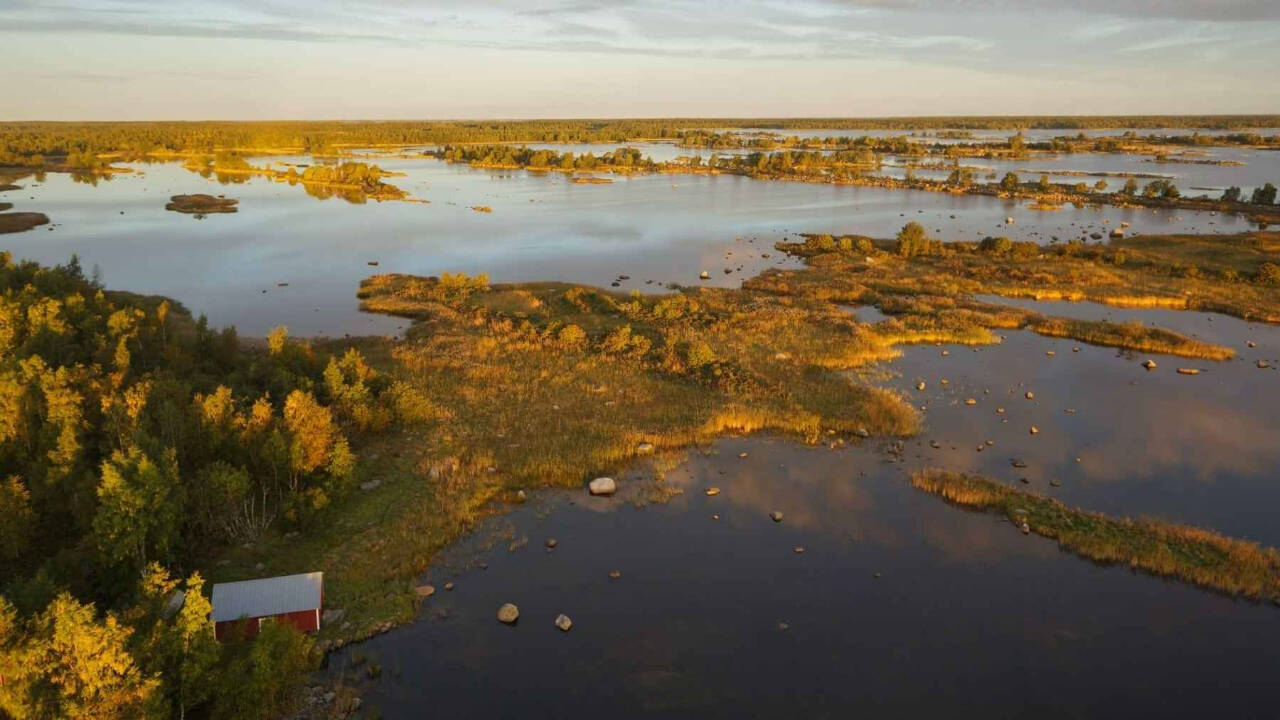
Imagine walking out to your Baltic Sea cabin, coffee in hand, only to realize the water is retreating. You aren't losing your mind. The earth beneath your feet is physically growing. Every single year, roughly 1,730 acres of brand-new land emerge from the Gulf of Bothnia. It sounds like a real estate jackpot. Free property, courtesy of planet Earth.
The reality is far more bureaucratic. If you think you automatically own every square inch of mud and rock that pops up between your lawn and the sea, you're about to run into a wall of Nordic property law. You might also find this related coverage useful: Inside the Aging Fleet Crisis Shaking Commercial Aviation Safety.
The Ice Age That Refuses to Quit
To understand why Finland's coastline is acting like an expanding accordion, you have to look back ten millennia. During the last Ice Age, massive sheets of ice—some two kilometers thick—crushed the Fennoscandian crust downward by more than 500 meters.
When that ice finally melted, the Earth began a sluggish, unending bounce back known as post-glacial rebound. It hasn't stopped yet. Around the Kvarken Archipelago, the ground creeps upward by nearly one centimeter every year. NASA data shows that this geological lift creates about 700 hectares—roughly 1,730 acres—of new terrain annually. As highlighted in latest coverage by The Points Guy, the implications are widespread.
Scientists estimate that the crust still needs to rise another 100 meters to reach equilibrium. The landscape is literally rewriting itself in real time, leaving cabin owners caught in a bizarre tug-of-war between nature and title deeds.
Why Your New Backyard Isn't Yours
In Finnish law, dry land that forms from the receding sea is called vesijättö (reliction). You might assume that if the sea moves away, your property line stretches out to meet it. It doesn't work that way.
Property boundaries are legally fixed. When nature redrawing the coast adds a fresh strip of earth, that newly exposed ground doesn't automatically get tacked onto your plot. Instead, it often belongs to a jointly owned water area—frequently managed by local entities known as osakaskunta.
You can look out at your expanding shoreline and feel a false sense of ownership. If you build a dock, clear brush, or extend your lawn onto that new strip without proper authorization, you're technically trespassing on communal or state-managed ground. The land register doesn't care that the water moved.
Claiming the Dirt Costs Time and Money
If you want that new land legally attached to your property, you have to fight the bureaucracy. Owners can apply through the National Land Survey of Finland to incorporate the reliction area into their existing plots.
It is far from a simple stamp of approval. The process demands official surveys, field inspections, and bureaucratic patience. Current estimates point to an average procedural timeline of around seven months, though winter conditions and backlogs can easily stretch that out.
Then comes the bill. Administrative costs for a typical cottage plot often hover between 2,000 and 3,000 euros. Keep in mind that this fee only covers the government survey process itself. It doesn't include potential compensation owed to collective landowners or additional taxes. For many property owners, the cost of claiming the emerging earth outweighs the value of the dirt itself.
What You Should Do If Your Shoreline Is Moving
Don't panic, but don't just grab a shovel and start landscaping either. If you own waterfront property along Finland's western coast, take a proactive approach before planning any shoreline projects.
Check your official deeds and consult the National Land Survey maps to verify where your legal boundary actually ends. If a noticeable strip of dry ground has formed between your grass and the waves, contact local authorities to determine whether the area falls under private collective ownership. Budget for the administrative fees if you intend to formally acquire the plot. Stop treating nature as a free land expansion program and treat it as a legal puzzle.