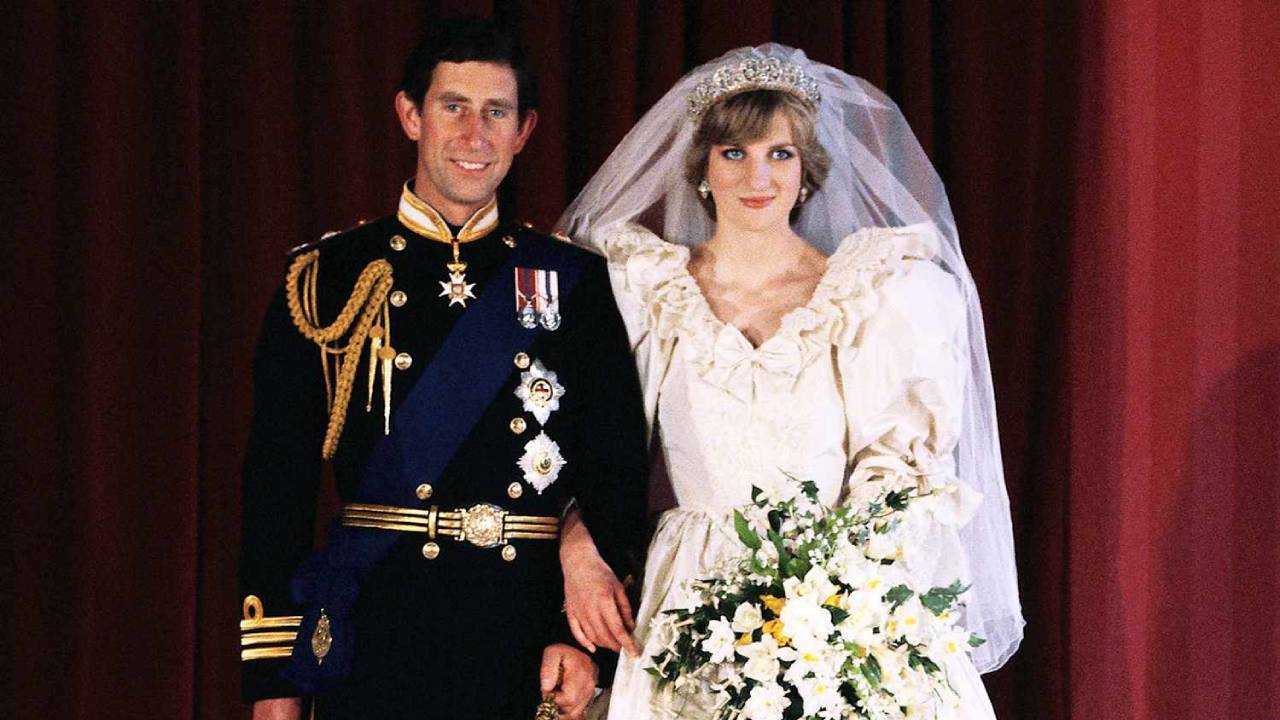
Royal autobiographies rarely arrive quietly. When a book lands detailing private humiliations within the House of Windsor, the public response follows a predictable arc of shock, defense, and sensationalized headlines. Memoir claims regarding King Charles and Diana, specifically allegations of body-shaming and callous reactions following a tragedy, immediately dominate global news cycles. Yet, focusing purely on the interpersonal venom misses the larger systemic machinery at play. The British monarchy functions not just as a family, but as a heavily guarded corporate entity where personal relationships are subordinated to institutional survival.
Examine the anatomy of these sensational revelations. A memoir hits the shelves, offering intimate glimpses into private conversations behind palace walls. Commentators rush to television studios to pick apart every sentence. Tabloids weaponize the excerpts to drive circulation. What gets lost in the noise is the structural environment that generates these conflicts in the first place. When a royal biography claims that Charles remarked Diana was "a bit chubby" or that certain family members reacted with unfeeling detachment to her death, these anecdotes confirm a long-standing pattern. The institution has always prioritized the preservation of the crown over the emotional well-being of its individual members.
The mechanics of public relations inside modern monarchies deserve closer scrutiny. For decades, royal households operated under a strict code of silence, managed by press secretaries who viewed public relations through the lens of nineteenth-century deference. As media consumption shifted toward round-the-clock digital scrutiny, the old playbook failed. Leaks became inevitable. Memoirs written by former aides, disgruntled relatives, or royal insiders filled the vacuum left by official press releases. Every leaked anecdote serves a strategic purpose for someone. Whether it is an attempt to rewrite historical legacy or a bid to secure financial independence through lucrative publishing contracts, these disclosures rarely emerge in a vacuum.
Consider the specific claim regarding body-shaming. Public obsession with Diana's appearance mirrored the intense scrutiny applied to every royal bride. The pressure to maintain an immaculate public image while navigating an unhappy marriage created an atmosphere of extreme psychological stress. When a spouse makes a disparaging remark about weight, it lands differently when broadcast to millions who treat royal bodies as public property. The private cruelty becomes institutionalized because the entire system demands physical perfection. Tabloids spent years tracking Diana's fluctuating weight, making internal critiques part of a broader culture of public surveillance.
The reaction to Diana's death remains one of the most thoroughly dissected chapters of modern British history. Reports of individuals within royal circles reacting with emotional detachment or relief are filtered through competing narratives. Supporters of the institution argue that stoicism was mistaken for coldness. Critics argue that a profound lack of empathy defined the family's internal culture. Both perspectives can hold a degree of truth without resolving the core tension. Stoicism as a governing philosophy works well for statecraft. It fails disastrously when dealing with human grief on a global scale.
Navigating the aftermath of royal scandals requires distinguishing between genuine emotional trauma and calculated narrative warfare. Publishing a memoir is an act of agency, but it is also a commercial venture. Millions of dollars change hands. Publishing houses demand revelations that justify the advance. Consequently, private conversations are reconstructed years after the fact, filtered through memory, bitterness, and the desire for vindication. Historians face a formidable challenge when attempting to separate objective reality from the stylized drama required to sell books.
The public appetite for royal discord shows no signs of diminishing. As younger generations demand greater transparency, the institution attempts to modernize while retaining the mystique that justifies its existence. Every memoir that exposes internal dysfunction chips away at that mystique. The House of Windsor survives not because it is universally loved, but because the alternative remains undefined. Until the public stops consuming every manufactured outrage, the cycle of royal exposés, defensive briefings, and public fascination will continue unchecked.