The Debris is the Distraction
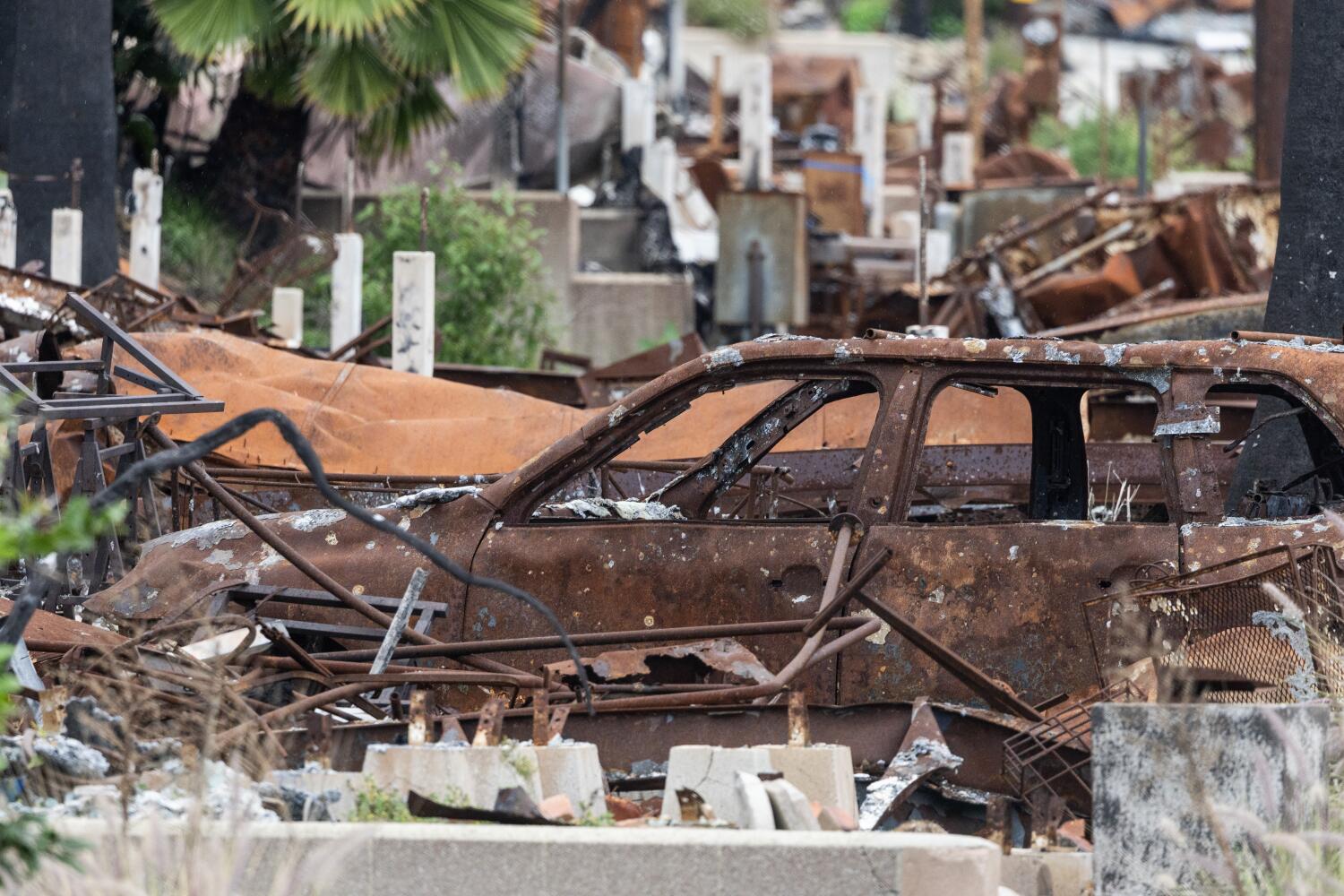
Everyone is clapping because the trucks finally rolled out. The "Pacific Palisades" brand of tragedy usually comes with a heavy dose of relief when the visual scars of a wildfire disappear. We see the charred skeletons of mobile homes being hauled away, and we think the healing has begun.
You’re being sold a lie.
Clearing debris isn't a victory; it’s a bureaucratic autopsy that took too long and cost too much. While the headlines focus on the "logistics" and the "relief" of the local community, they’re ignoring the underlying economic rot. This isn't a story about recovery. It’s a case study in how California’s regulatory insanity and the illusion of "affordable luxury" are colliding to ensure these people never actually go home.
The Myth of the Mobile Home "Owner"
Let’s dismantle the first misconception. If you own a mobile home in a high-value coastal zip code, you don’t own real estate. You own a depreciating metal box sitting on someone else’s gold mine.
The competitor coverage treats the debris removal as a hurdle for the "homeowners." I’ve sat in boardrooms where we map out the lifecycle of these parks. The owners of the land—the ones who actually hold the deed—are playing a different game than the people who lived in the units. For the land owner, a fire is a forced reset. For the resident, it’s an eviction by act of God.
When the debris is cleared, the land doesn't magically become a neighborhood again. It becomes a blank slate of some of the most valuable dirt on the planet. The "owners" mentioned in the news are often corporate entities or legacy families who are now staring at a property that is suddenly unencumbered by rent-controlled tenants or aging infrastructure.
The Insurance Trap Nobody Mentions
People ask, "Why did it take so long to clear the site?" They blame the city. They blame the contractors. They’re looking at the wrong ledger.
The delay is the point. In my years navigating property disputes and disaster recovery, I’ve seen the "Assessment Freeze" used as a weapon. Every month the site stays "under investigation" or "awaiting clearance" is a month where the true cost of rebuilding stays hidden.
Most of the residents in the Palisades fire were underinsured. Not because they were careless, but because you literally cannot get traditional replacement-cost insurance for a 30-year-old manufactured home in a high-fire-severity zone. The math doesn't work. If your home was worth $200,000 on paper but costs $450,000 to replace due to new California building codes and "Green" requirements, you aren't "recovering." You’re bankrupt.
The debris removal is just the final signature on your financial death warrant. Once the lot is empty, the clock starts ticking on your right to return—a right that is usually contingent on your ability to pay for a modern, code-compliant unit that you can’t afford.
Why "Cleaning Up" is a Business Strategy
If I’m the land owner, I want that debris gone—but only when the market is ready for the pivot.
Notice the timing. They clear the land when the news cycle has moved on. They do it when the initial outcry for "rebuilding the community" has faded into a dull murmur about "zoning updates."
- Step 1: Let the debris sit until the residents lose hope and settle with their insurance companies for pennies on the dollar.
- Step 2: Use the "complexity of the cleanup" as a reason to petition for "density changes" or "safety upgrades."
- Step 3: Clear the lot and realize that the cost of rebuilding a mobile home park to 2026 standards is $0.00 because you'd rather sell the land to a developer who will build three $15 million mansions.
The debris removal isn't for the residents. It’s for the brokers.
The Brutal Reality of the "Right to Rebuild"
There is a flawed premise in the "People Also Ask" sections of the internet regarding these fires. People want to know when they can move back. The answer is: Never.
Look at the California Coastal Commission. Look at the local zoning boards. They talk about "environmental impact" and "slope stability." This is code for: "We aren't going to let you put a trailer back on a cliff that just burned."
If you want to rebuild in the Palisades, you’re looking at $2,000 per square foot in mitigation costs before you even pour a foundation. For a mobile home park resident, that is an insurmountable wall. The "clearing of debris" is just the demolition phase for a project the current residents won't be invited to live in.
Experience the Scar Tissue
I’ve watched this happen in Malibu. I’ve watched it in Santa Barbara. The pattern is identical. The media treats the fire like a tragedy, but the market treats it like an opportunity for "Highest and Best Use."
I remember a client who thought their "exclusive" mobile home was an investment. They spent $500,000 on a renovated unit in 2019. When the fire hit, the insurance paid out $150,000 because the "structure" had depreciated, and the "location" value belonged to the park owner. They lost $350,000 in an afternoon. Clearing the debris was just the salt in the wound—they had to pay a "site clearance fee" out of their remaining settlement.
The Nuance of the "Progress" Narrative
The competitor article wants you to feel good. "Finally, the trucks are moving."
It’s lazy journalism. It misses the fact that the "clearing" often triggers the expiration of temporary housing vouchers. It misses the fact that once the site is clean, it’s easier to sell the entire parcel to an institutional investor.
Is the cleanup "good"? Sure, if you like looking at dirt instead of charcoal. But if you care about the preservation of middle-class housing in Los Angeles, the sight of those trucks should make you sick. It represents the final erasure of a community that was already on life support.
The Actionable Truth
If you are a resident in one of these zones, stop waiting for the "cleanup" to save you.
- Stop Tying Your Equity to the Land: If you don't own the dirt, your home is a liability, not an asset. In a fire zone, it’s a bonfire waiting to happen.
- Audit Your "Right to Return": Read your lease. Most park leases have a "Destruction of Premises" clause that allows the owner to terminate the lease if the park is more than 50% destroyed. The cleanup is often the signal that the lease is officially dead.
- Follow the Money, Not the Trucks: Watch the permit filings for the land after the debris is gone. That’s where the real story is.
The Palisades fire didn't just burn homes; it burned the facade of security for anyone living in the "affordable" corners of the Westside. The trucks aren't clearing the way for a comeback. They’re clearing the way for a cash-out.
Stop cheering for the garbage trucks and start looking at the deed.