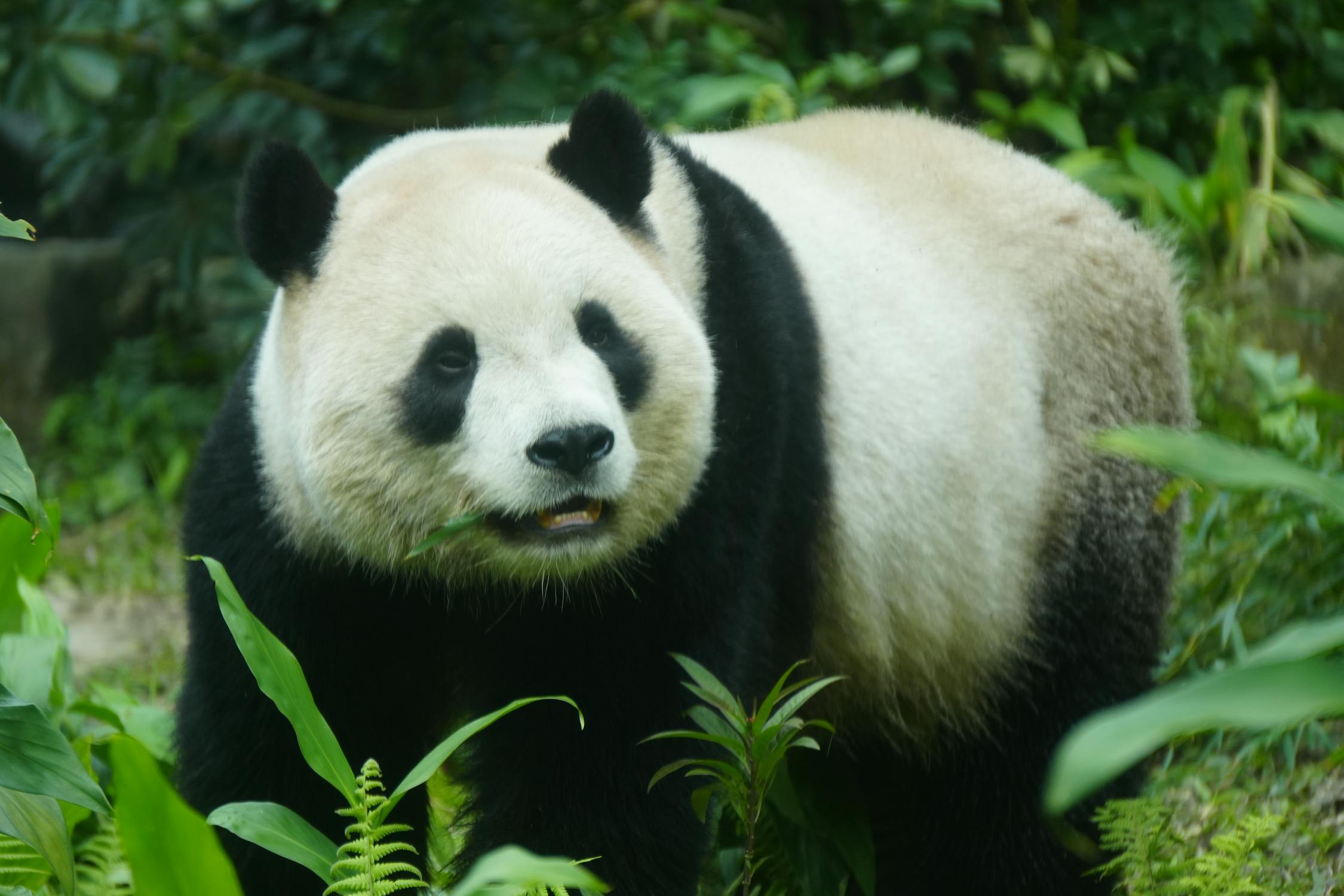
When Chinese President Xi Jinping announced the dispatch of two giant pandas to Zoo Atlanta during a high-stakes diplomatic summit, the political theater played out precisely as scripted. Flashbulbs popped. Official statements heralded an enduring "envoy of friendship". Ticket sales spiked before the enclosures were even finished.
Beneath the warm rhetoric of animal exchanges lies a rigid, highly transactional system of wildlife management that few casual observers care to examine.
The Financial Mechanics Behind the Black and White
For decades, the public viewed giant pandas as diplomatic gifts. That romantic era ended in the mid-1980s. Beijing transitioned the program into a commercial leasing model that requires host institutions to pay steep annual fees—typically hovering around one million dollars per pair.
These funds ostensibly flow back into domestic conservation reserves, habitat restoration projects, and breeding facilities in China's Sichuan province. Yet, the burden on American zoos is immense. Maintaining a single panda exhibit demands millions of dollars in specialized infrastructure, climate-controlled habitats, and constant imports of fresh bamboo species that must be flown in regularly.
Zoos rarely turn a profit on the animals once operational costs, veterinary overhead, and leasing fees are tallied. The value is almost entirely about attendance volume and institutional prestige.
Geopolitical Barometers in Fur
The timing of these panda announcements is never accidental. These animals serve as biological barometers for bilateral relations. When tensions flare between Washington and Beijing, loan renewals stall, and existing residents quietly pack their bags for return flights to Chengdu, as seen when several U.S. facilities saw their populations phased out. When leaders need a public relations win without making substantive policy concessions, the panda card is played.
The arrangement grants Beijing immense soft-power leverage. Every cub born on foreign soil remains the property of the Chinese state, slated for repatriation just as they reach maturity. It is a masterclass in long-term brand management disguised as wildlife conservation.
The Cost of Captive Conservation
From a purely zoological standpoint, the return of pandas to multiple American institutions sparks fierce internal debates among conservation biologists. Billions of dollars have been channeled into captive breeding and habitat enclosure programs, while wild populations face ongoing threats from habitat fragmentation and climate pressures.
Critics argue that the concentration of resources on a single charismatic megafauna species starves less photogenic, equally endangered species of the funding they desperately need to survive. The giant panda has successfully graduated from endangered to vulnerable on the IUCN Red List, a testament to targeted breeding success. However, reintroducing captive-bred bears into the wild remains an exceptionally difficult and statistically rare achievement.
As the new arrivals settle into their multimillion-dollar habitats, the cheering crowds will see only a symbol of international goodwill. They will not see the complex financial ledgers, the shifting geopolitical currents, or the quiet trade-offs defining modern conservation politics.


