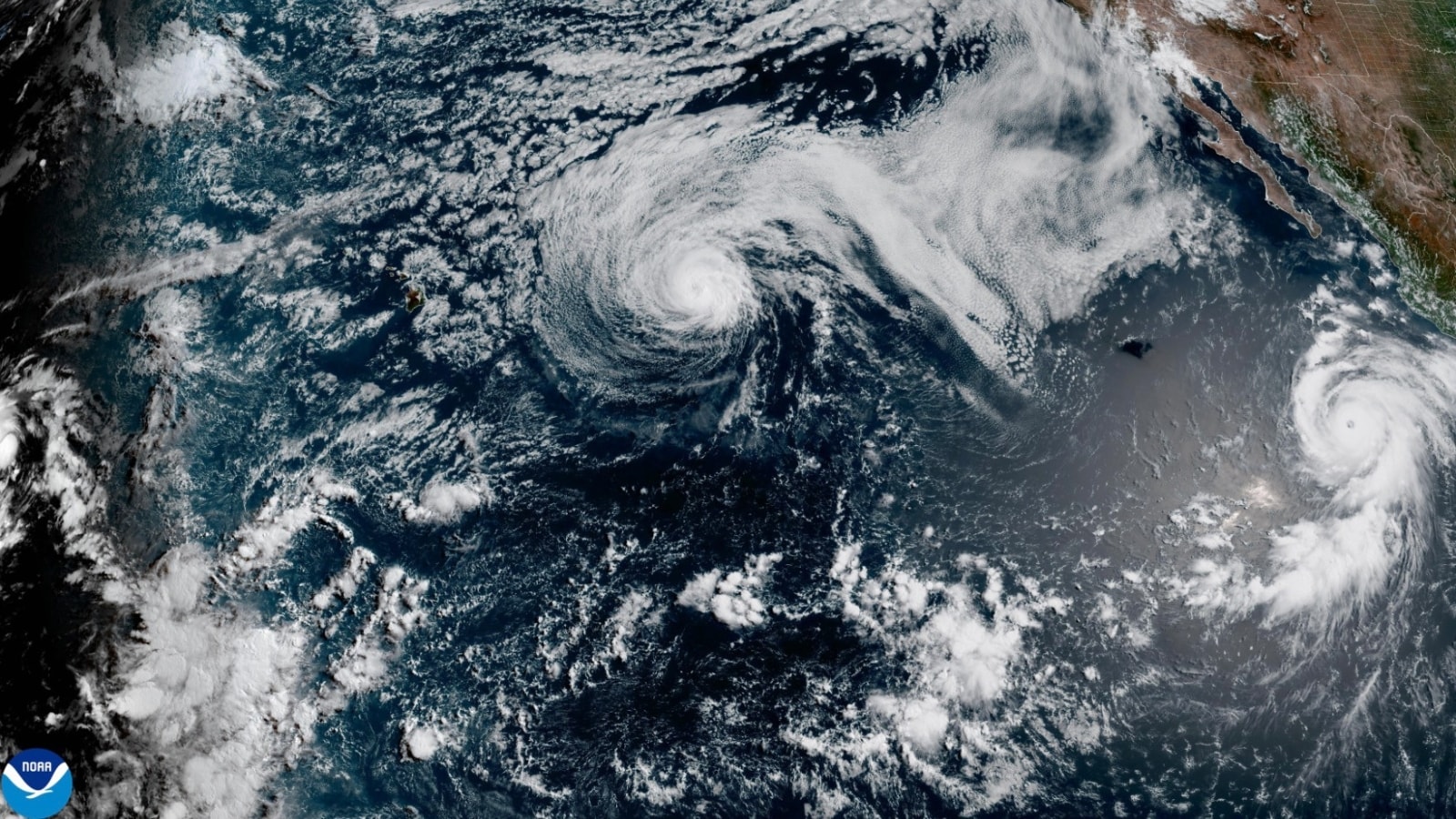
Every single time a storm crosses an arbitrary wind speed threshold, the headlines lose their minds. Meteorologists rush to microphones, news anchors strap on raincoats for dramatic effect, and the general public acts as though an atmospheric anomaly is a personal attack. When storms like Genevieve reach Category 5 intensity or systems like Fausto track toward populated coasts, the reaction follows a predictable, exhausted script. Fear sells. Hype performs.
Stop buying the panic.
The lazy consensus in modern storm reporting is that intensity equals catastrophe. It does not. Conflating maximum sustained wind speeds with actual societal risk is a lazy shortcut that ignores how modern infrastructure, evacuation logistics, and meteorological tracking actually operate. We spend billions treating every high-end storm like a blank-check disaster, while completely ignoring the slow-moving vulnerabilities that kill more people than peak-intensity winds ever will.
The Wind Speed Obsession
Let us define terms because the media refuses to do so. The Saffir-Simpson Hurricane Wind Scale is a five-category tool based strictly on sustained wind speeds. That is it. It does not measure storm surge height, inland rainfall totals, population density, or building codes. A Category 5 storm hitting an uninhabited stretch of ocean or a heavily reinforced coastline with rigorous building standards creates a completely different reality than a Category 1 system stalling over an unprepared floodplain.
Yet, newsrooms treat the number five like an apocalyptic countdown.
I have watched emergency management budgets drain into flashy hurricane-tracking software and high-end panic marketing, while routine drainage maintenance gets ignored. We have engineered a culture that fetishizes the peak of the storm while neglecting the aftermath. Wind tears off roofs, yes. But stagnant water, power grid failures, and heatstroke in the weeks following a storm cause the vast majority of fatalities.
Focusing entirely on whether a system hits Category 5 status is like judging a car's safety by how fast its engine can rev while ignoring the brakes, seatbelts, and driver training.
The Logistics Failure Nobody Talks About
Imagine a scenario where every coastal resident within a hundred-mile radius evacuates simultaneously because a weather alert flashes crimson on their phones. The result is not safety; it is gridlock. Millions of vehicles sitting on interstates, running out of fuel, turning evacuation routes into parking lots.
Mandatory evacuations ordered out of an abundance of caution often create more danger than the storm itself. When emergency planners cry wolf over maximum-intensity forecasts that shift track at the last minute, public trust erodes. Next time a genuine, catastrophic threat forms, people stay home simply because they are exhausted from false alarms.
The contrarian truth is simple: blanket evacuations are a sign of systemic failure. Precision is expensive, political, and hard. Broad panic is cheap and easy.
What We Should Measure Instead
If you want to understand how a community survives a severe tropical system, look past the wind charts. Examine three metrics that matter:
- Grid Resilience: How fast can substations isolate damage and restore power? Extended blackouts kill vulnerable populations long after the winds die down.
- Building Envelope Integrity: Are local codes enforcing impact-resistant windows and reinforced roof ties, or are developers cutting corners to save a buck?
- Drainage Capacity: Can local waterways handle twenty inches of rain in twenty-four hours without turning residential streets into navigable rivers?
Storms are inevitable. Disasters are optional. Every dollar spent hyping a Category 5 wind speed on cable news is a dollar stolen from infrastructure upgrades that actually save lives.
Stop checking the wind category like it is a stock ticker. Start checking your local zoning laws, power grid redundancies, and drainage systems. The wind will pass. The infrastructure you built beforehand is the only thing that decides whether you are still standing when it does.