The headlines screamed about a near-miss over the Middle East, treating a routine military interception like an action movie trailer. Analysts wet themselves over the phantom threat of an airborne shootout, crying out for more airspace closures and more civilian panic.
They have it backwards.
Every time a regional defense network tracks a stray commercial hull, the armchair generals demand groundings. They look at a shadow on a radar screen and see a catastrophe waiting to happen. What they miss is that modern airspace management is built on friction, and friction is the price of keeping millions of aluminum tubes moving at five hundred miles an hour without bumping into each other.
Let us strip away the theater. A civilian aircraft gets misidentified. Fighters scramble. Communication links stutter for ten minutes. Then everyone remembers how to read a transponder, and the airliner lands safely for tea and biscuits. The media treats this as a systemic failure. It is actually proof that the safety margins work precisely because they are paranoid.
The Myth of Absolute Separation
The aviation establishment loves to sell you the illusion of clean corridors. You board a wide-body jet, stare at the moving map on the seatback screen, and assume you are gliding down an invisible highway in the sky, miles away from any trouble.
It is a fairy tale.
Airspace is crowded, messy, and governed by tired humans staring at green blips while sipping lukewarm coffee. When a regional conflict boils over, the air traffic picture degrades from messy to chaotic. Military commands operate on a zero-trust model. If an unidentified machine enters a restricted zone without squawking the right code, the default response is not to call the airline's customer service desk. It is to put steel in the air and intercept.
When people read about a commercial flight getting shadowed by fighter jets, they clutch their pearls and ask why the plane was even allowed near the border. The real question is why anyone expects perfection in a war zone perimeter. War zones leak. Electronics fail. Pilots misread a waypoint instruction in the dead of night.
Panicking over standard interception protocols is like getting upset that a bouncer checks an ID at the door of a club where a fight just broke out. It is aggressive, yes. It is loud. But it beats the alternative.
The Cost of Cowardice
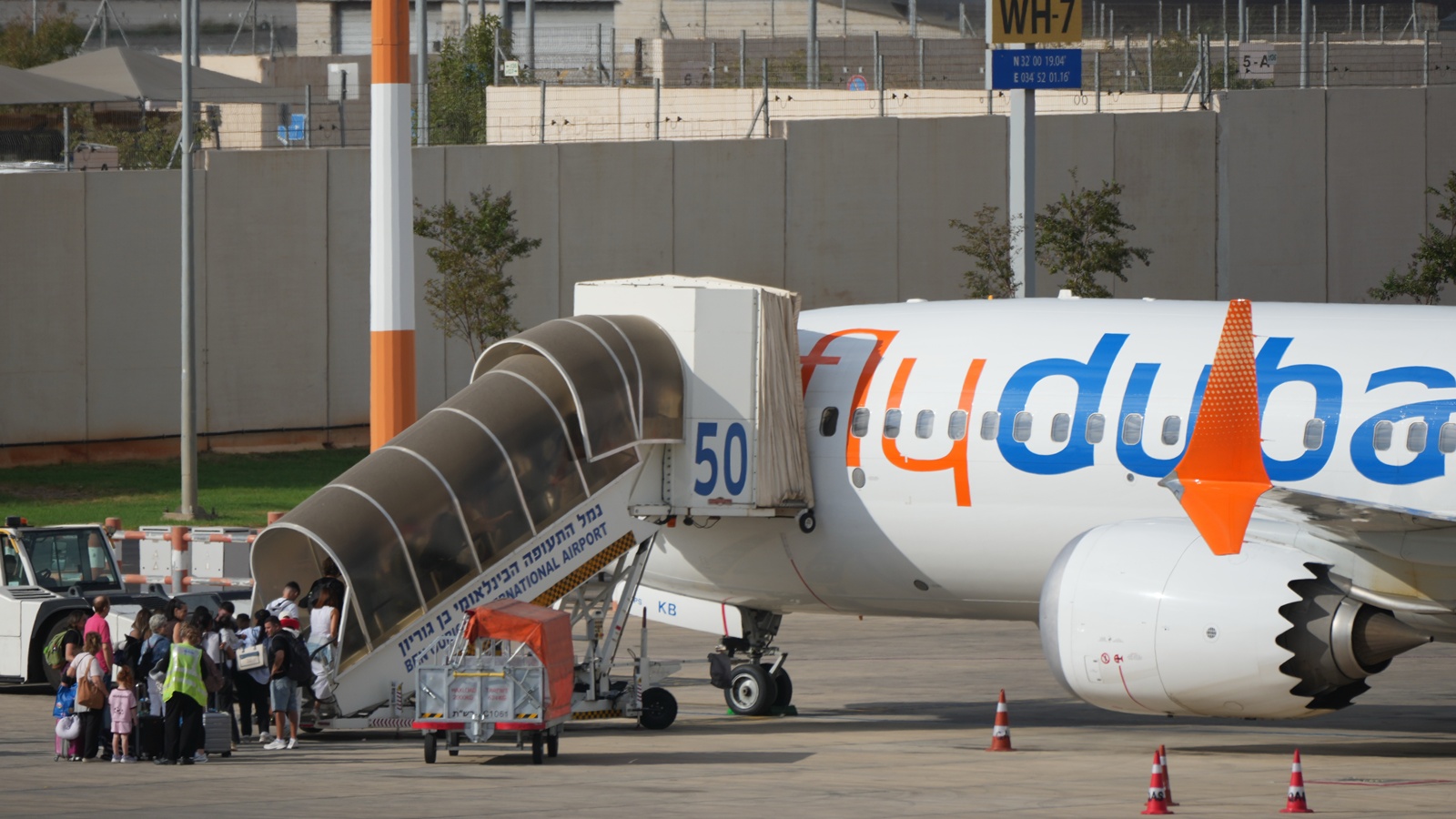
Every time the panic cycle spins up after an incident like the flydubai scare, regulators reach for the panic button. They reroute thousands of flights, burn millions of extra gallons of fuel, and add hours to itineraries just to avoid a patch of sky where something scary happened forty-eight hours ago.
This is not caution. It is insurance fraud masquerading as safety policy.
Airlines bleed cash, passengers lose days of their lives, and ticket prices climb because decision-makers are terrified of looking bold when a headline goes sideways. They choose the coward's route: shut it down, fly around it, pass the bill to the consumer.
I have watched logistics budgets evaporate because executives preferred to look defensive rather than analytical. Risk cannot be erased by drawing red lines on a map and telling planes to stay fifty miles away. Risk has to be managed in real-time, through redundant communication channels, disciplined military-civil coordination, and crews who do not lose their minds when they look out the cockpit window and see an armed interceptor tipping its wings.
If you want cheaper, faster, cleaner travel, you have to accept that planes will occasionally cross paths with military hardware in contested skies. The solution is not to lock down the planet. The solution is to build faster data links between civilian transponders and defense radar arrays so nobody has to scramble a jet just to ask what time it is.
Stop asking for more airspace bans. Start asking why our military and civil radar networks still talk to each other like they are using tin cans and string.
The sky is big enough for both of us. Grow up or stay on the ground.