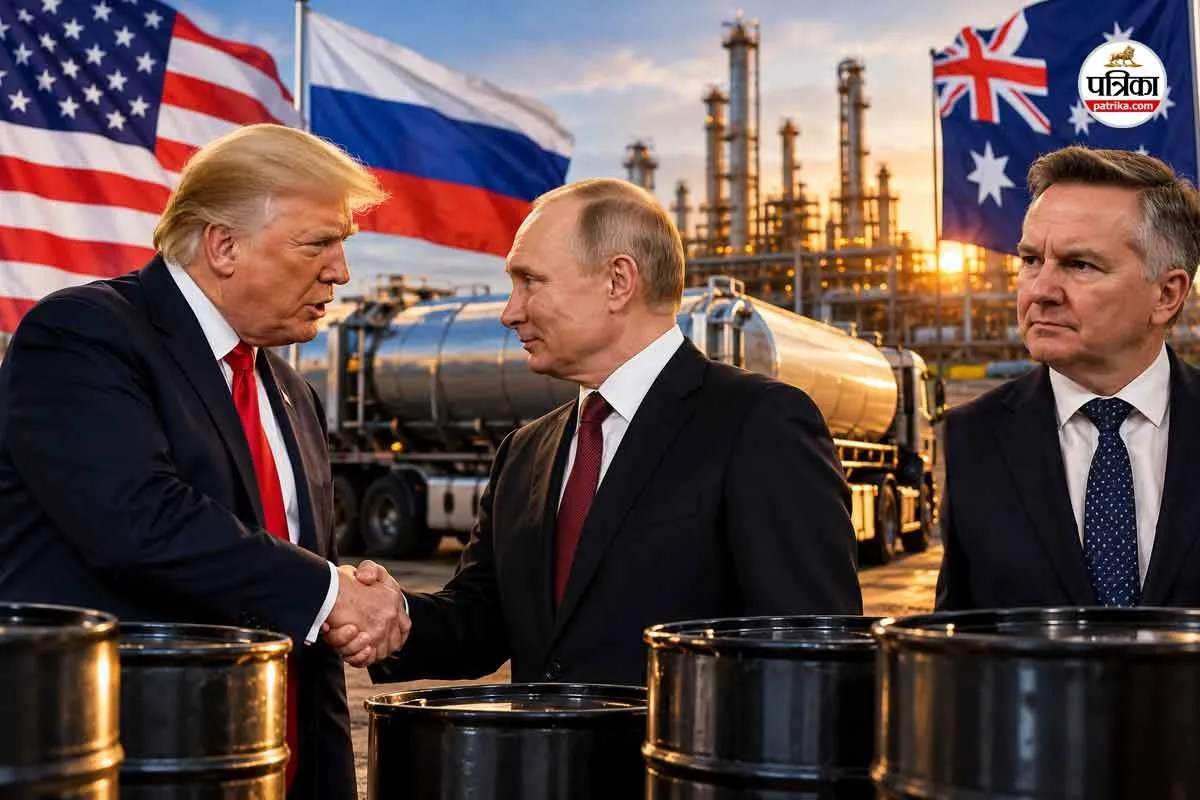
The headlines have screamed for weeks about a shocking geopolitical betrayal. The narrative is neat, loud, and entirely digestible for cable news: Donald Trump picked up the phone, cut a secret backdoor diesel deal with Vladimir Putin, enraged Ukraine, sparked fury in Australia, and handed the Kremlin a golden financial lifeline. Critics across Washington and Canberra are hyperventilating, claiming Western sanctions are shattered and Putin has been rewarded.
It is a fantastic story. It is also completely detached from economic and structural reality.
Strip away the political theater and moral outrage, and you find a much more cynical, mundane truth. The entire arrangement was dead on arrival. Not because of righteous geopolitical resistance, but because the global energy market operates on cold, hard arbitrage and legal walls that a press release cannot tear down.
Let us look at the actual numbers instead of the political posturing. The announced deal promised roughly 1.8 million tons of diesel exports from Russia to the United States. That sounds massive to a casual observer. To anyone who understands commodity flows, it is a drop in an ocean. American consumers burn through roughly 3.6 million barrels of diesel every single day. Totaling about 13.5 million barrels, the entire Russian allotment amounts to barely a few days of total U.S. domestic consumption. It could vanish into the logistical maw of the Texas refining complex without moving price metrics by a single cent.
Yet, the lazy consensus fixates on the symbolism. Australian politicians grandstand that they do not want or need Russian fuel, while European capitals panic over broken solidarity. They are treating a phantom trade as an existential crisis.
Here is what the talking heads missed.
The Legal Wall That Politics Cannot Pierce
You cannot simply decree an end to international trade sanctions with a social media post or an executive declaration when statutory laws dictate otherwise. U.S. federal statutes strictly bar imports of Russian energy products while the conflict in Ukraine continues. More importantly, the secondary and tertiary financial risks are terrifying to any commercial entity. Major shipping firms, insurers, and port authorities face severe civil and criminal penalties under overlapping U.S., U.K., European Union, and Swiss sanctions regimes.
Imagine a scenario where a tanker loaded with Russian middle-distillates actually approaches a New Jersey terminal. The moment it docks, corporate compliance officers face ruinous liabilities. State-side buyers looked at the exposure, looked at the legal threats from a bipartisan congress, and quietly walked away.
That is why tankers carrying this so-called emergency fuel have literally turned around mid-route, abandoning their American-bound paths. The market did not reject the oil out of moral purity. It rejected it because the transaction was an operational compliance nightmare. You cannot buy a product if every bank and insurer involved will freeze your assets for handling it.
The Real Agenda Behind the Smoke
If the deal was logistically negligible and legally impossible, why announce it at all?
Look at the calendar. The announcement dropped right in the teeth of domestic political pressure over high fuel prices. When retail pain hits the pump ahead of elections, administrations look for immediate magic wands. Announcing a massive resource influx from a pariah state creates an immediate, albeit temporary, illusion of decisive action. It shifts the blame for price spikes onto regional conflicts and foreign supply shocks, while projecting an image of supreme deal-making power.
For Moscow, the utility was equally transparent. Even if the physical fuel never cleared customs in an American port, the mere narrative of broken Western isolation provided a massive domestic propaganda victory and signaled to other trading partners that Washington's enforcement resolve is malleable.
Australia’s swift rejection of Russian fuel is similarly performative. Canberra operates downstream of global Brent and diesel benchmarks; regional fuel security depends on Asian refining margins and Middle Eastern shipping lanes, not on whether a stranded Russian tanker manages to sneak past legal blockades in the Atlantic. Bowen and other ministers could safely posture against a deal that physical economics had already doomed.
Stop Fearing the Phantom Trade
The hysteria over this arrangement is a masterclass in mistaking noise for signal. Pundits want you to believe that a single stroke of a pen can rewrite the complex architecture of global energy compliance. It cannot.
The structural realities of maritime insurance, statutory sanctions, and refining logistics remain entirely intact. When the smoke clears, no Russian diesel is flooding American trucks, prices at the pump remain dictated by global supply crunches and geopolitical friction in the Middle East, and the global sanctions regime has proven far more resilient than its loudest critics pretend.
Stop panicking over the headlines. Watch the balance sheets and the legal codes instead.
Trump strikes deal with Putin for Russia to supply diesel to US | ABC NEWS
This video provides an overview of the initial White House announcement regarding the controversial diesel supply agreement with Russia.


