The headlines scream about speed. They run body counts like stock tickers, plastering terrifying milestones across newsfeeds to trigger global panic. When an Ebola outbreak in the Democratic Republic of Congo surges past a thousand deaths, international agencies immediately deploy the standard narrative: a biological wildfire outrunning human capacity, demanding an emergency influx of foreign aid, helicopters, and top-down management.
This framing is completely wrong.
It misdiagnoses the disease vector, misreads the local mechanics, and masks the structural failure of global health intervention. The crisis is not merely a biological race against a fast-spreading virus. It is an indictment of an outdated, reactionary outbreak apparatus that arrives late, acts heavy-handed, and ignores the political economy of epidemic zones.
The Flawed Metric of Outbreak Speed
Media reports love to declare an outbreak the "fastest recorded." It makes for an undeniable narrative hook. Yet measuring an epidemic primarily by its speed of transmission obscures the real variable: institutional friction.
Ebola does not spread in a vacuum. It moves along human trust networks, trade routes, and fractured health systems. When Western media panics over transmission velocity, they treat the virus as an unstoppable force of nature. In reality, transmission speeds spike when local communities actively resist medical intervention.
Why do they resist? Because international responses routinely treat affected populations as passive victims or biohazards to be contained rather than active partners.
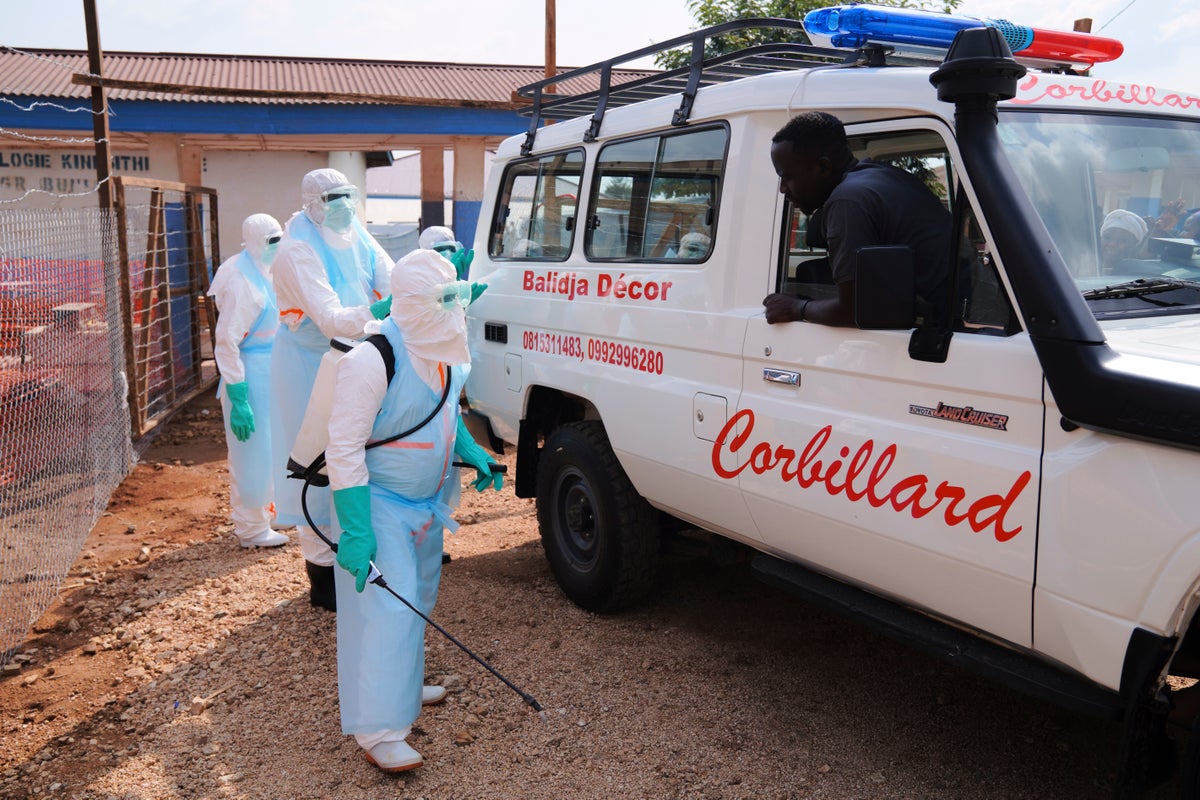
I have watched well-meaning international bodies drop millions into emergency containment tents while basic, pre-existing local clinics lack running water or clean syringes. Foreign teams roll into rural communities wearing hazard suits, enforcing isolation protocols that tear families apart without explanation, and then act surprised when communities hide their sick.
The surge in cases is rarely just a biological acceleration. It is a social revolt against heavy-handed intervention.
The Economics of Parachute Medicine
When an outbreak hits headlines, money flows. Billions are mobilized in emergency funding. Western contractors, aid agencies, and international bureaucrats flood the zone.
This model, often called "parachute medicine," is fundamentally broken.
Emergency funding arrives after the damage is done. It builds temporary infrastructure that vanishes the moment the viral curve flattens. Once the media moves on, the funding evaporates, leaving the local health infrastructure just as gutted and vulnerable as it was before the first case was identified.
Consider the resource allocation. Millions go to logistical overhead, foreign experts, and emergency airlift operations. A fraction of that capital, invested long-term in basic public health worker salaries, local diagnostic labs, and community-level sanitation, would prevent outbreaks from expanding in the first place.
By treating every Ebola surge as an unprecedented disaster requiring foreign salvation, international institutions guarantee that the next outbreak will play out exactly the same way.
Community Trust Over Technological Surges
The conventional wisdom insists that stopping Ebola requires complex technological responses: high-tech isolation units, rapid military-style logistics, and experimental therapeutics rushed from Western laboratories.
While vaccines and therapeutics are essential tools, they are useless without local trust.
During major outbreaks in the DRC, security forces have been deployed to protect medical units, and health facilities have been attacked. This is not irrational hostility; it is the predictable outcome of ignoring historical context. When people live in regions marked by decades of conflict, resource exploitation, and political instability, the sudden appearance of armed guards and foreign doctors in spacesuits creates deep suspicion.
Real control of an epidemic happens at the ground level, through trusted local actors, traditional leaders, and local health workers who understand the social fabric.
- Local leadership must direct surveillance. Foreign agencies should provide funding and supplies, not dictate daily tactics on the ground.
- Health infrastructure must be permanent. Temporary containment camps do nothing to build lasting medical security.
- Communication must be transparent. Forcing protocols on mourning families without culturally grounded dialogue guarantees non-compliance.
If an intervention relies on armed escorts to deliver healthcare, the strategy has already failed.
The Failure of Top-Down Metrics
Global health organizations measure success by short-term metrics: cases contained, vaccines administered, beds filled. These metrics look great in quarterly reports presented in European headquarters, but they conceal the deeper failure.
When you measure success strictly by emergency response metrics, you incentivize an industry that thrives on crisis rather than prevention.
The real metric of health security is resilience: Can a rural clinic detect a cluster of hemorrhagic fever before it spreads? Can a local doctor run diagnostic tests without waiting weeks for confirmation from overseas? Can a community trust its health system enough to report symptoms voluntarily?
Until international policy shifts from reactive intervention to long-term structural funding, every new Ebola outbreak will be labeled "unprecedented." The speed of the virus is not the threat. The stubborn refusal to fix a broken global response model is.
Stop celebrating emergency aid packages. Stop focusing purely on body counts. Demolish the parachute intervention model and build permanent, locally controlled health infrastructure, or prepare to read the exact same panic-driven headlines during the next outbreak.