The kitchen table is cluttered with yellowing envelopes, third-notice warnings, and a half-eaten sandwich that went cold an hour ago. Clara is staring at a computer screen that has been frozen on a loading wheel for twenty minutes.
She works forty-two hours a week across two different shifts at a local distribution center and a coffee shop. She is not unemployed. She is not looking for a handout. She is simply trying to prove that she exists within the rigid, bureaucratic grid of state healthcare verification. If she fails to upload her paystubs by midnight, the state system will spit her out. Her Medicaid coverage, which pays for the daily inhaler keeping her chronic asthma at bay, will vanish.
This is not a story about laziness. This is a story about paperwork as a weapon.
Across the country, a quiet, administrative machinery is shifting into high gear. New policy iterations and state-level enforcement of work requirements are rolling out, creating a high-stakes maze for millions of low-income Americans. For proponents, the rules are pitched as an incentive toward self-sufficiency. For those living inside the margins, they are an exhausting gauntlet of digital portals, unreturned phone calls, and disappearing hours.
To understand why this matters, we must look past the sanitized language of policy briefs and examine the daily reality of hourly labor.
Consider the nature of modern low-wage employment. It is rarely steady. Shifts fluctuate wildly based on foot traffic, inventory deliveries, or algorithmic scheduling apps that change a worker's hours with forty-eight hours' notice. One week, Clara logs thirty-five hours; the next, twenty-eight because of a slow Tuesday. To a state eligibility worker sitting behind a desk in a state capital, these fluctuations look like non-compliance. To Clara, they are the terrifying rhythm of survival.
When work requirements are attached to healthcare, the burden of proof falls entirely on the individual. This is where the system begins to crack.
(Note: While the specific state rules vary, the underlying structural challenge remains identical across jurisdictions—shifting the administrative burden onto people who have the least amount of spare time.)
Think about what it takes to maintain coverage under these new mandates. You need reliable internet. You need a smartphone with a data plan that hasn't run out. You need access to a scanner, or at least a steady hand to photograph messy receipts. You need time—precious, unbilled hours—to wait on hold with a state agency whose phone trees seem designed to induce despair.
If you are working two jobs to pay rent, you do not have spare time. You have exhaustion.
The numbers tell a stark story of administrative churn. Historically, when complex reporting requirements are introduced to safety-net programs, millions of people lose coverage not because they became ineligible, but because they tripped over the red tape. They missed a letter sent to an old address. They misunderstood a confusing instruction on page four of a digital form. They clicked the wrong box on a drop-down menu.
When coverage drops, health does not improve. It deteriorates.
Dr. Marcus Vance, a community physician who has spent two decades treating patients in under-resourced clinics, puts it bluntly.
"We don't see people suddenly finding better jobs because of a reporting form," Vance says. "We see people showing up in the emergency room three months later with advanced kidney failure, uncontrolled diabetes, or strokes that could have been prevented with a ten-dollar prescription. The paperwork doesn't create work. It creates sick people."
The human cost is invisible until it is catastrophic.
Take James, a fifty-four-year-old warehouse stocker. Last year, a change in his state's verification rules required him to log eighty hours a month and report them through an online portal. James didn't own a computer. He used his phone, but the site kept crashing on his outdated browser. He tried calling the helpline, but the wait times routinely exceeded two hours before disconnecting automatically.
By the time he figured out how to submit his documents at a local public library, his renewal window had closed. Two weeks later, his blood pressure medication ran out. A month after that, he suffered a mild stroke while stacking pallets.
The emergency room bill alone was enough to bankrupt a small family. The state saved nothing. The taxpayer paid exponentially more. And James lost months of his life to a preventable crisis.
This is the central paradox of work-requirement policies. They are built on an idealized vision of the labor market—one where jobs come with human resources departments, predictable schedules, paid sick leave, and stable administrative support. But the people who rely on Medicaid are rarely working in those environments. They are cleaning hotel rooms at dawn, driving delivery vans in the dead of night, stocking supermarket shelves in sub-zero freezers, and tending bar through the weekend rush.
They are the engine of the economy, yet they are treated as suspects in an audit.
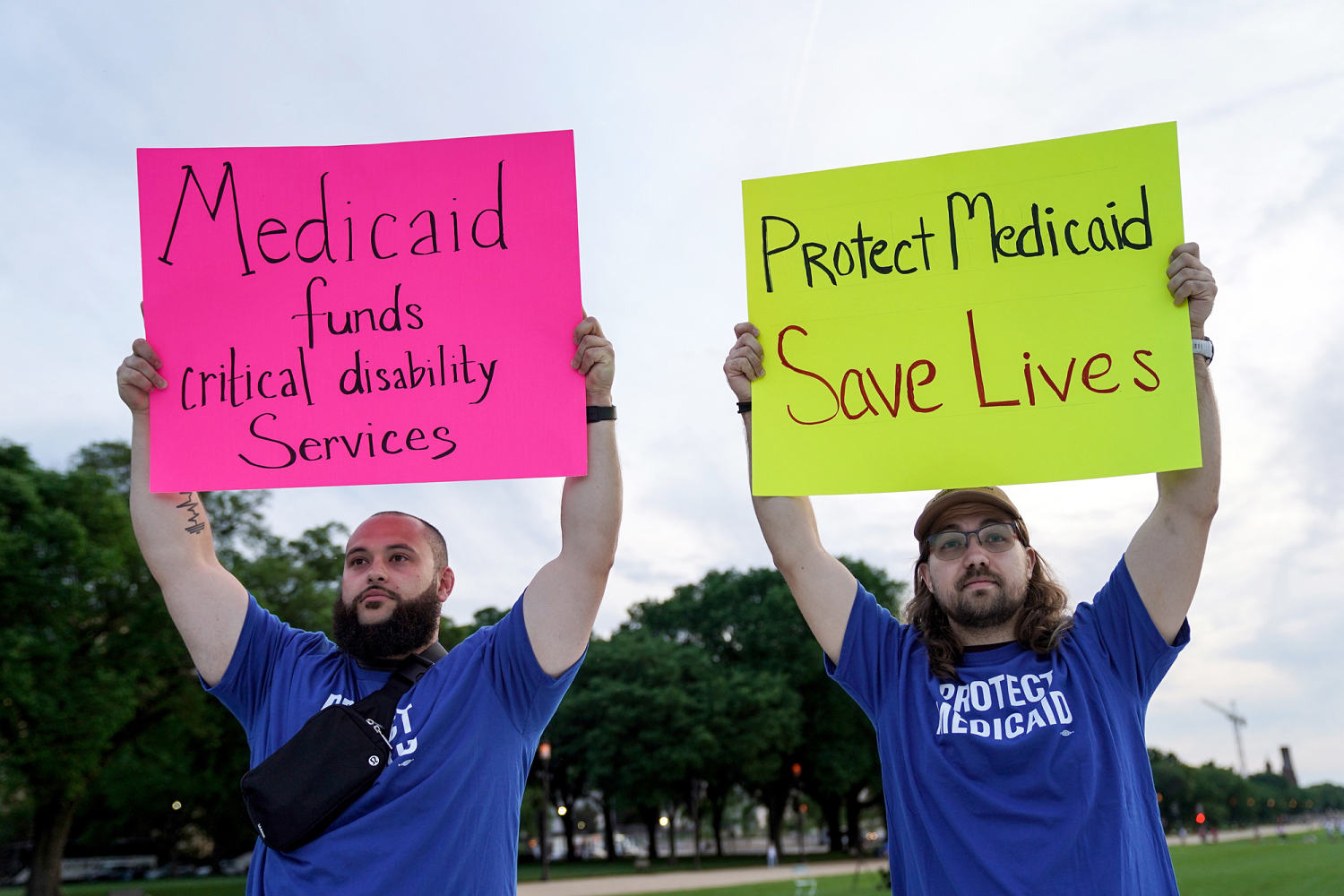
Recognizing the impending wave of coverage losses, a new coalition of advocacy groups, legal aid clinics, and community grassroots organizations is mobilizing. Across several states, these groups are launching emergency campaigns to help people navigate the new rules. They are setting up pop-up desks in church basements, training volunteers to decipher state portals, and distributing laminated cheat sheets on how to survive the renewal process.
It is mutual aid born out of sheer necessity.
Yet, relying on volunteers to patch holes in a collapsing social safety net is like holding an umbrella over a sinking ship. It helps, but the water keeps rising.
The fundamental question underlying this entire debate is not whether work is valuable. Everyone agrees that work is part of human dignity. The real question is whether we should use healthcare as a disciplinary tool to enforce compliance among the vulnerable.
When we tie basic human survival—the ability to breathe without wheezing, to walk without pain, to keep a heart beating at a steady rhythm—to the successful navigation of a bureaucratic obstacle course, we abandon the very premise of public health.
Back at her kitchen table, Clara finally gets past the loading screen. Her heart is hammering against her ribs. She uploads the photo of her paystub, hits submit, and waits. The screen refreshes. A green checkmark appears, followed by a message stating her case has been deferred for further review.
She hasn't won. She has only bought herself a few more weeks of breathing room before the cycle starts all over again.
Outside, the streetlights flicker on. The night is quiet, but inside millions of homes, the paperwork waits in the dark, gathering dust, demanding proof of existence from people who are already working themselves to the bone.