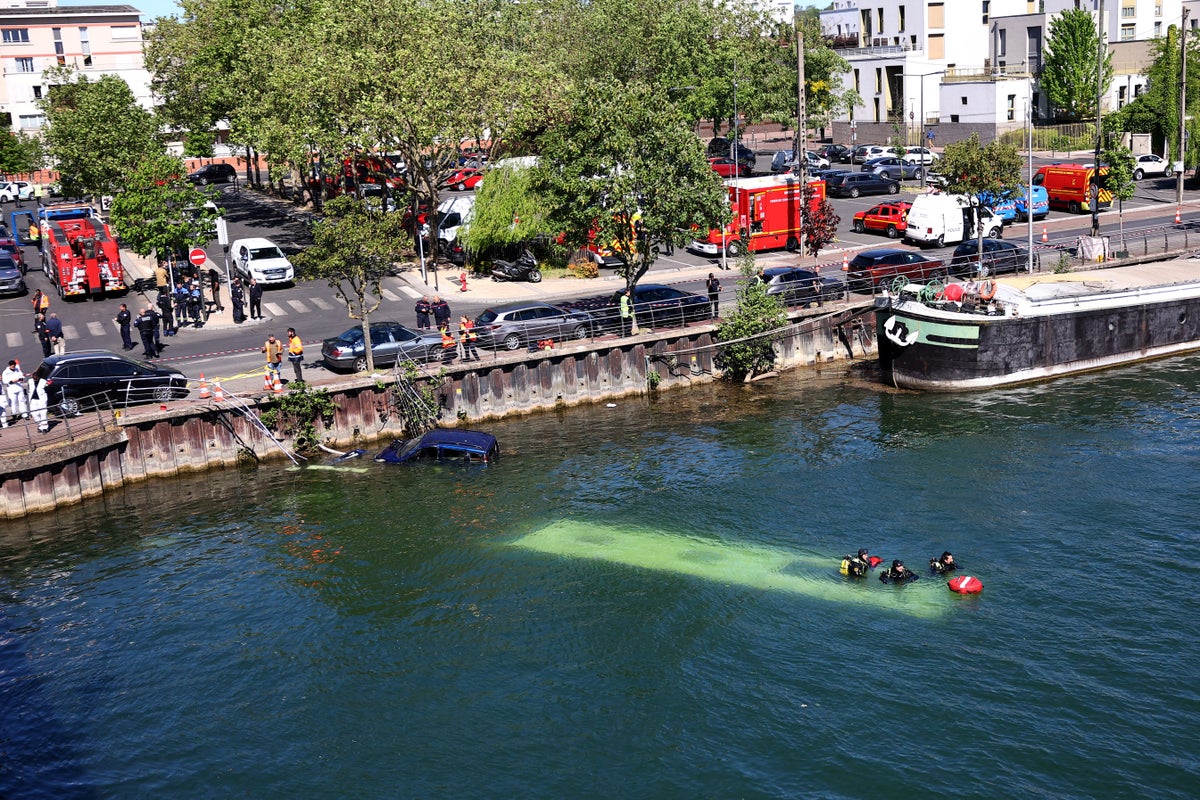
A routine training session turned into a maritime rescue mission when a bus plunged into the River Seine. You’d think a professional driver would know how to keep a multi-ton vehicle on solid ground, but human error is a powerful force. This wasn't a movie stunt or a freak weather event. It was a nightmare lesson for a trainee driver that ended with a bus sinking near the banks of the river just outside Paris.
The incident happened in the commune of Sevres. A bus from the RATP (the state-owned public transport operator in Paris) drifted off the road and straight into the water. It’s the kind of headline that sounds fake until you see the photos of the roof barely peeking out of the murky Seine.
When Training Goes Horribly Wrong
Training a new driver involves risks, but sinking the fleet isn't usually on the syllabus. Most bus accidents happen at low speeds in tight city corners. This was different. The vehicle wasn't carrying passengers—only the trainee and an instructor were on board. They managed to escape before the bus became a submarine, which is the only reason we aren't talking about a tragedy.
What happened? Sources suggest a loss of control during a maneuver. Driving a bus isn't like driving a car. You’ve got massive blind spots and a pivot point that can betray you if you aren't careful. When you’re practicing near the Seine, the margin for error is basically zero. One wrong turn or a panicked stomp on the accelerator instead of the brake can send ten tons of steel over the embankment.
The Logistics of a River Recovery
You can’t just call a standard tow truck when a bus is at the bottom of a river. The recovery process in Sevres was a massive headache for local authorities. The Seine is a working river. It’s full of barges, tourist boats, and heavy currents. Blocking the waterway to fish out a bus isn't just an inconvenience; it’s an expensive logistical nightmare.
Divers had to go down to secure the chassis. They needed heavy-duty cranes capable of lifting the water-logged weight of the bus without it breaking apart. Water adds thousands of pounds of pressure and weight. If the windows are smashed, the interior fills up, making the lift even more precarious.
Environmental Risks and Oil Spills
The Seine has a complicated history with pollution. Paris has spent billions trying to clean it up for the Olympics and general public use. Dropping a diesel-powered bus into the water is the last thing the city needed.
- Fuel leaks: Even a small amount of diesel creates a massive slick.
- Battery acid: Modern buses have complex electrical systems that don't play well with river water.
- Hydraulic fluids: These can be toxic to local aquatic life.
Emergency crews had to deploy floating barriers called "booms" to contain any fluids leaking from the engine compartment. It’s a messy, slow process that turns a driving mistake into an environmental incident.
Why Driver Training is Getting Harder
Driving in Paris and its suburbs is a special kind of hell. The roads are narrow, the traffic is aggressive, and the river is always right there. RATP instructors are usually some of the best in the business, but even they can't prevent every fluke accident.
There’s a massive shortage of bus drivers across Europe. Companies are rushing to get people behind the wheel. While RATP maintains high standards, the pressure to fill seats can lead to fatigue or high-stress environments for trainees. If you’re a trainee and you’re already nervous about the size of the vehicle, a slight lapse in concentration is all it takes.
The Social Media Spectacle
In 2026, nothing happens in private. Within minutes of the bus hitting the water, videos were all over TikTok and X. People were making jokes about the "new amphibious bus route" and "the shortest cruise on the Seine." It’s easy to laugh from behind a screen, but the reality for the two people on board was terrifying. Imagine the sound of the glass cracking or the feeling of the floor tilting as the water starts to pour in.
Technical Failures vs Human Error
While the investigation is ongoing, people always wonder if the bus itself failed. Did the brakes lock? Was there a steering rack failure? Honestly, it’s rarely the machine. Modern RATP buses are maintained with obsessive detail. The most likely culprit is a "pedal error." It happens more often than you’d think. A trainee intends to brake, hits the gas, panics, and pushes down harder.
This specific area of the Seine in Sevres has a sloping bank in certain sections. Once those wheels leave the pavement and hit the grass or the wet stone of the quay, gravity takes over. There is no "undo" button.
How RATP Will Respond
Expect a massive internal review. RATP doesn't take these things lightly. They’ll look at the instructor’s positioning, the specific maneuvers being practiced, and why that specific route was chosen for a beginner.
They might move training sessions further away from the river banks. It sounds like common sense, but these routes are often used because they mimic real-world driving conditions that drivers will face every day. You can't train someone to drive in Paris by keeping them in a parking lot forever.
What This Means for Future Drivers
If you’re thinking about a career in public transport, don't let this scare you off. These incidents are statistically incredibly rare. Millions of miles are driven every year without a single splash. But it serves as a stark reminder of the responsibility. You aren't just driving a vehicle; you’re managing a massive kinetic force.
Check your surroundings. Respect the water. If you’re ever in a vehicle that’s going into a river, remember the survival basics. Unbuckle immediately. Don't wait for the bus to sink. Open or break a window before the water pressure makes it impossible. Get out and get up.
The bus in Sevres is now a heap of scrap metal and a very expensive insurance claim. For the trainee, it’s a career-defining moment they’ll never live down. For the rest of us, it’s a reminder that even the most routine Tuesday can end with a swim you didn't ask for. Keep your eyes on the road and your tires on the asphalt.
If you're traveling near Paris, stick to the metro for a few days while they finish the cleanup. The river belongs to the boats, and the roads belong to the buses. Let's keep it that way.