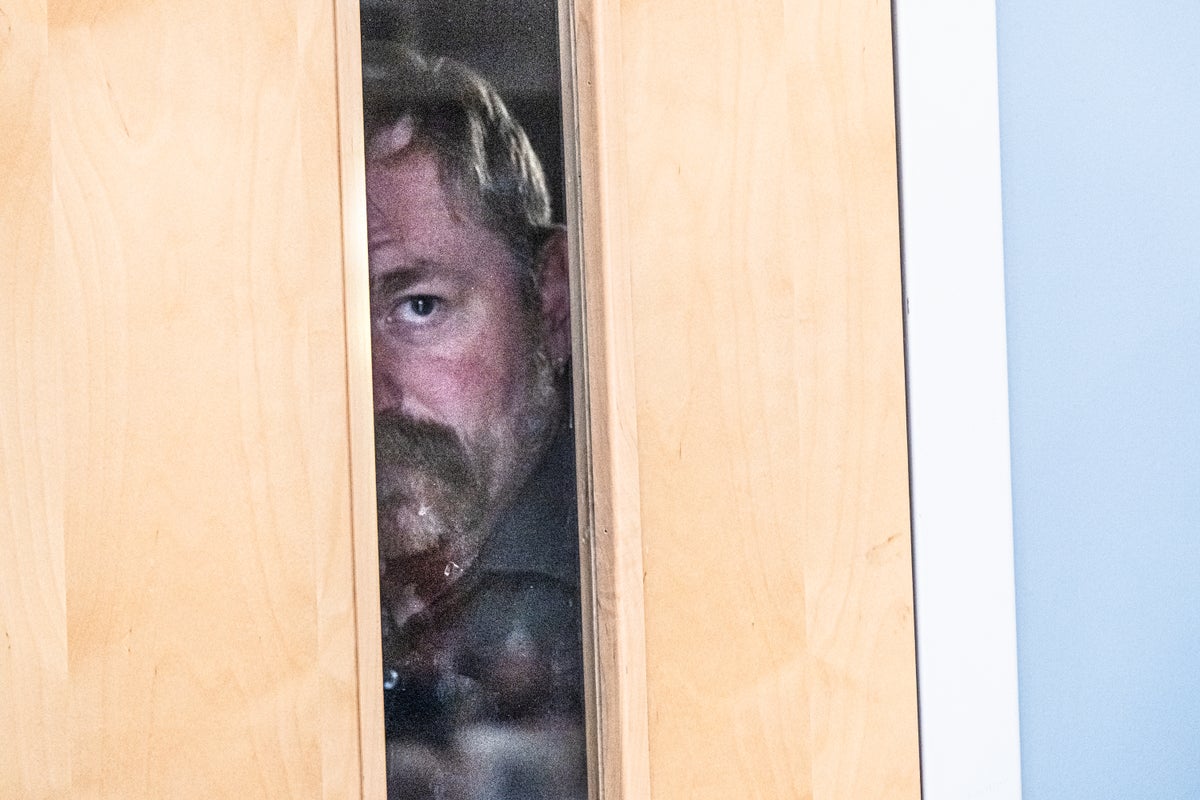
American voters say they want ethical leaders. They claim character matters. But when the voting booth curtain closes, national power mechanics crush personal principles every single time. Look no further than the high-stakes Senate battles playing out in Maine and Texas.
The political machinery has forced voters into a corner. On one side, you have Texas Republicans backing a candidate whose legal and personal baggage could fill a stadium. On the other, Maine Democrats are rallying behind a nominee plagued by personal scandals. It is ugly. It is hypocritical. It is exactly how modern American politics works when control of the U.S. Senate hangs in the balance.
The Hypocrisy of the High Stakes
The national narrative is simple. If the other side wins, the country falls apart. This apocalyptic framing turns every election into a survival exercise where personal ethics are an unaffordable luxury.
In Texas, Attorney General Ken Paxton won the Republican runoff against veteran Senator John Cornyn. Paxton’s political survival is nothing short of a miracle. He survived a high-profile impeachment trial, fought off long-standing felony securities fraud charges, and faced public disclosure of marital infidelity. Yet, primary voters handed him a resounding victory. Why? Because he aligned perfectly with Donald Trump's base, and conservative voters decided that a combative partisan fighter matters more than traditional standards of personal conduct.
Texas Senate Race: Ken Paxton (R) vs. James Talarico (D)
Maine Senate Race: Graham Platner (D) vs. Susan Collins (R)
Meanwhile, Maine Democrats face their own mirror-image crisis with U.S. Senate nominee Graham Platner. Platner is running to unseat incumbent Republican Senator Susan Collins. Defeating Collins is a foundational goal for national Democrats trying to regain the Senate majority. But Platner’s campaign is reeling from revelations regarding explicit text messages and his use of anonymous messaging applications.
His wife called the reports "shameful," and local critics are furious. Yet, national progressive figures like Arizona Senator Ruben Gallego and Representative Ro Khanna have stepped up to support him. The message from party leadership is unmistakable: protect the nominee, secure the seat, and ignore the noise.
Why Principles Lose to Power Mechanics
This isn't a case of voters being blind. They see the flaws. They just care about something else more. When partisan polarization reaches today's extreme levels, voting for a flawed candidate from your own party becomes a rational choice for voters who view the opposition as an existential threat.
- The Judicial Pipeline: Control of the Senate means control of federal judicial confirmations. A conservative voter in Houston might find Paxton's personal behavior repulsive, but they know he will support right-wing judges. A progressive voter in Portland might be disgusted by Platner's texts, but they know he represents a vote to protect reproductive rights and environmental regulations.
- The Weaponization of Forgiveness: Parties have mastered the art of selective outrage. They demand absolute purity from their opponents while practicing infinite grace for their own. If your guy does it, it's a "distraction" or a "smear campaign." If the other guy does it, it's proof of systemic corruption.
- The Alternative is Unacceptable: For a partisan voter, crossing the aisle is seen as a betrayal. Staying home is treated as a surrender. This leaves voters with a binary choice: hold your nose and vote for the flawed partisan, or hand a victory to the opposition.
The strategic reality is that national party committees cannot afford to be moral arbiters. The National Republican Senatorial Committee and the Democratic Senatorial Campaign Committee operate on raw math. They need 51 seats. They do not get extra points for nominating saints.
The Death of the Independent Maverick
This intense focus on party loyalty is killing the political center. Maine’s Susan Collins has built a multi-decade career on her image as a moderate, independent institutionalist. She won reelection in 2020 even as Joe Biden won the state by nine percentage points.
But in the current political climate, the concept of the independent maverick is becoming obsolete. National Democrats argue that no matter how moderate Collins claims to be, her presence in the Senate helps maintain Republican leadership. To them, individual independence is irrelevant; only the caucus color matters.
This structural reality changes how voters evaluate candidates. Character evaluations have shifted from an assessment of personal integrity to a test of tribal loyalty. A "good" candidate is no longer someone who tells the truth or lives an exemplary life. A good candidate is someone who will vote with the party leadership on the bills that matter.
Navigating the Modern Ballot
If you are a voter tired of choosing between the lesser of two evils, you need to change how you analyze the ballot. Stop expecting parties to self-police. They won't. Instead, recognize the structural forces at play and make your peace with the math.
Acknowledge the policy outcomes that matter most to your life. If federal policy, court appointments, and legislative agendas outweigh candidate behavior, vote the party line but don't defend the candidate's character. Separate the policy from the person.
You can also look into alternative voting systems. Maine’s use of ranked-choice voting in primaries shows that voters want options beyond a binary choice, even if the general election still funnels down to a harsh partisan contest.
Ultimately, parties will continue to run deeply flawed candidates as long as voters reward them with victory. If you want better choices, the pressure has to come during the earliest stages of the primary process before national money locks the field into a binary struggle for survival.
Check out this Maine GOP Unity Breakfast Coverage to see how local party organizations quickly pivot to project solidarity and rally around their nominees immediately following contentious, scandal-ridden primary fights.