The sea has a way of masking the beginning of an ending. On a luxury cruise ship, the world is reduced to the hum of the engines, the smell of salt spray, and the rhythmic clinking of silverware in the dining room. It is a closed system. A floating sanctuary. But for one passenger aboard a vessel recently docked in Spain, the sanctuary became a cage.
It started with a fever. Not the kind that makes you reach for an aspirin and keep walking, but a heavy, bone-deep heat that turns the limbs to lead. By the time the ship reached the Mediterranean, the situation had shifted from a private discomfort to a public health emergency. The passenger was evacuated. The diagnosis that followed didn't involve the usual suspects like Norovirus or the flu. It was Hantavirus.
Most people hear that name and think of dusty cabins in the American Southwest or rural outposts in Asia. We don't associate it with the gleaming white decks of a cruise liner. Yet, here we are. This single case in Spain serves as a visceral reminder that while we have built faster ships and stronger borders, biology does not recognize our blueprints.
The Invisible Stowaway
Hantavirus is a phantom. Unlike many high-profile viruses that jump from person to person through a cough or a handshake, this one plays a different game. It is a zoonotic disease, meaning it bridges the gap between the animal kingdom and our own. Usually, the bridge is a rodent.
Imagine a field mouse. It looks harmless, perhaps even charming in a rustic setting. But in its wake, it leaves behind microscopic traces—urine, droppings, saliva. When these dry, they can become aerosolized. A person sweeps a floor, stirs up the dust, and breathes. They don't see the threat. They don't smell it. But the virus has found a new host.
In the case of the evacuated passenger, the mystery isn't just the illness, but the origin. How does a virus typically found in rural, land-based environments find its way into the pressurized, sanitized environment of a modern cruise? It forces us to confront the reality of our interconnectedness. We carry our environments with us. Whether it was a pre-existing infection from a stopover or an unlikely encounter with a stowaway vector, the result remains the same: the barrier between the wild and the civilized is thinner than we like to admit.
When the Lungs Fill with Shadows
There are two main ways Hantavirus manifests in humans, and neither is kind. In Europe and Asia, it often appears as Hemorrhagic Fever with Renal Syndrome (HFRS). This version attacks the kidneys. It causes intense pain, blurred vision, and internal leaking. In the Americas, it more commonly takes the form of Hantavirus Pulmonary Syndrome (HPS). This is the one that keeps epidemiologists awake at night.
Consider the mechanics of HPS. Your lungs are designed to be light, airy structures of gas exchange. When the virus takes hold, the capillaries begin to leak fluid into the air sacs. It is, quite literally, drowning from the inside out. There is no specific cure. No magic pill. Doctors can only offer supportive care—ventilators to force air into fluid-logged lungs and fluids to keep the blood pressure from bottoming out.
The mortality rate for HPS can climb as high as 38 percent. That is not a statistic; it is a coin flip with the heaviest of stakes.
The passenger in Spain represents the logistical nightmare of modern medicine. When an evacuation happens at sea, you aren't just treating a patient; you are managing a perimeter. You have to trace every contact, scrub every surface, and calm every fear. The Spanish authorities acted with precision, but the ripple effect of such an event stays with the witnesses long after the sirens fade.
The Geography of Risk
We often treat health news as something happening "over there." We see a headline about a case in Spain and feel a momentary flicker of sympathy before returning to our coffee. But the geography of risk is shifting.
Climate change and urban expansion are pushing rodents into new territories. As we encroach on their habitats, they inevitably encroach on ours. A dry summer followed by a wet winter can lead to a "masting" event—an explosion of seeds and berries that causes rodent populations to skyrocket. More mice mean more virus. More virus means more chances for a human to be in the wrong place at the wrong time.
The Spanish case isn't an isolated fluke so much as it is a data point in a changing trend. We are seeing these "spillover" events with increasing frequency. It’s a reminder that global travel is a double-edged sword. We can reach the other side of the planet in a day, but so can anything we are carrying in our bloodstream.
The Psychology of the Sickroom
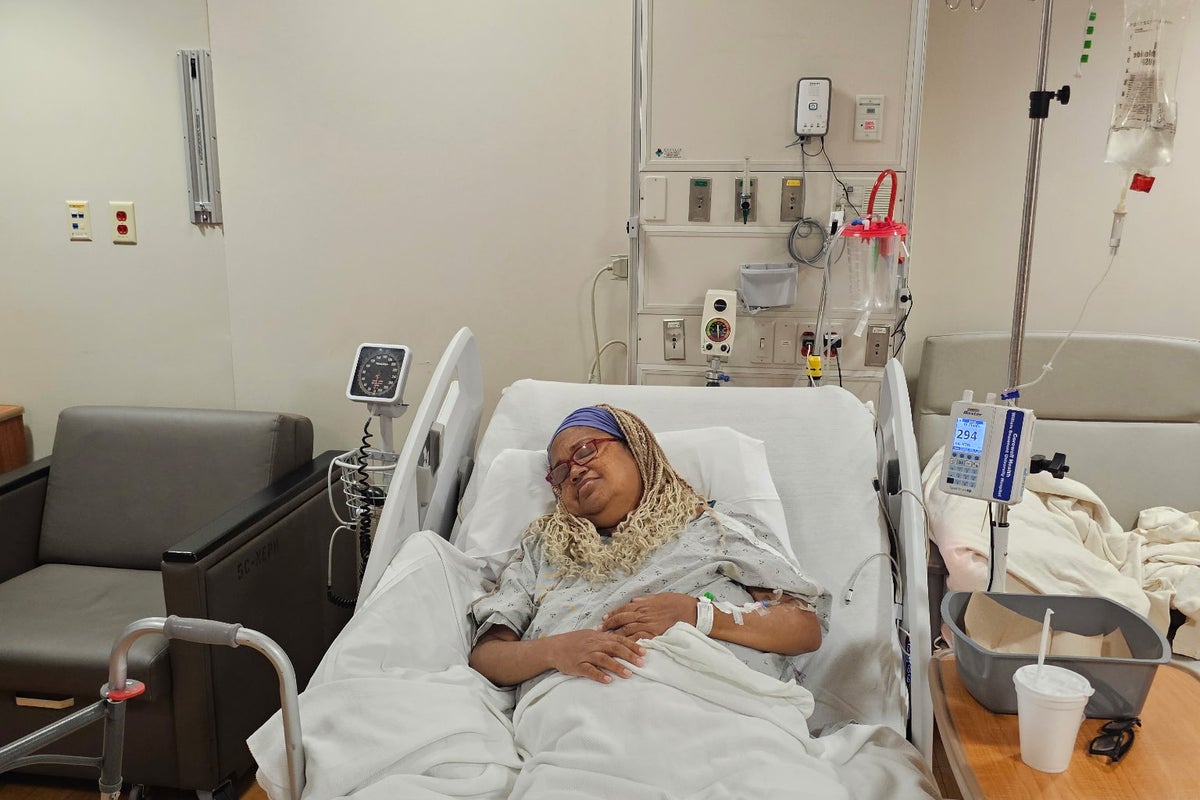
There is a specific kind of loneliness that comes with a rare diagnosis. If you have the flu, people understand. If you have Hantavirus, you become a curiosity—a case study. You are behind glass. The nurses wear layers of protective gear that obscure their faces. You become a "passenger evacuated," a headline in a digital newspaper, a set of vitals on a monitor.
For the person in that hospital bed in Spain, the "invisible stakes" are no longer abstract. They are the sound of the ventilator. They are the wait for the kidney function tests to come back. They are the wondering if they will ever stand on a deck again and look at the horizon without thinking about what might be drifting in the air.
We have a tendency to overcomplicate the solution to these problems with high-tech dreams of universal vaccines and biosensors. While those are vital, the immediate defense is much more grounded. It’s about awareness. It’s about knowing that if you’ve been in an area with rodent activity and you start feeling like the world is crushing your chest, you don't wait. You speak up.
The Horizon We Don't See
The ship continues its journey. The cabin is bleached. The other passengers move on to the next port, perhaps checking their own forehead for a lingering warmth, but eventually succumbing to the distractions of the buffet and the sunset.
But the lesson of the passenger in Cabin 402 remains. We live in a world that is much smaller than the maps suggest. Our safety is not a permanent state; it is a constant negotiation with a biological world that is always looking for an opening. We are not separate from nature. We are its hosts, its neighbors, and occasionally, its prey.
As the sun sets over the Mediterranean, the water looks calm, blue, and endless. It looks like the very definition of peace. But underneath the surface, and within the very air we breathe on its shores, a different story is being written—one of resilience, of microscopic battles, and of the enduring fragility of the human breath.
The passenger is no longer just a headline. They are a warning. Not of a coming apocalypse, but of the need for a quiet, persistent vigilance. We must look closer at the shadows in the corner. We must respect the small things. Because in the end, it is rarely the Great Storm that sinks the ship; it is the tiny, invisible leak that no one noticed until the floor was already underwater.