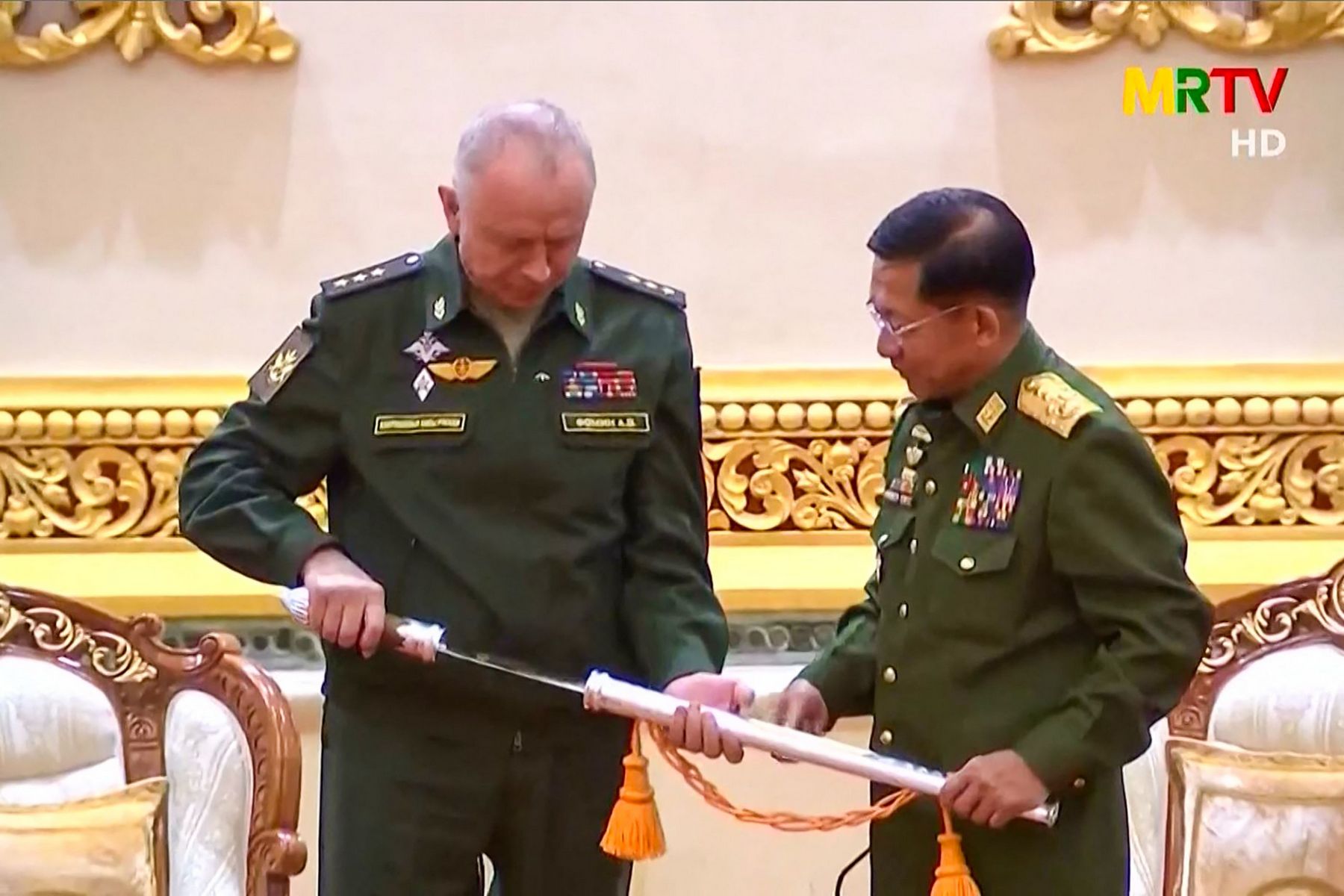
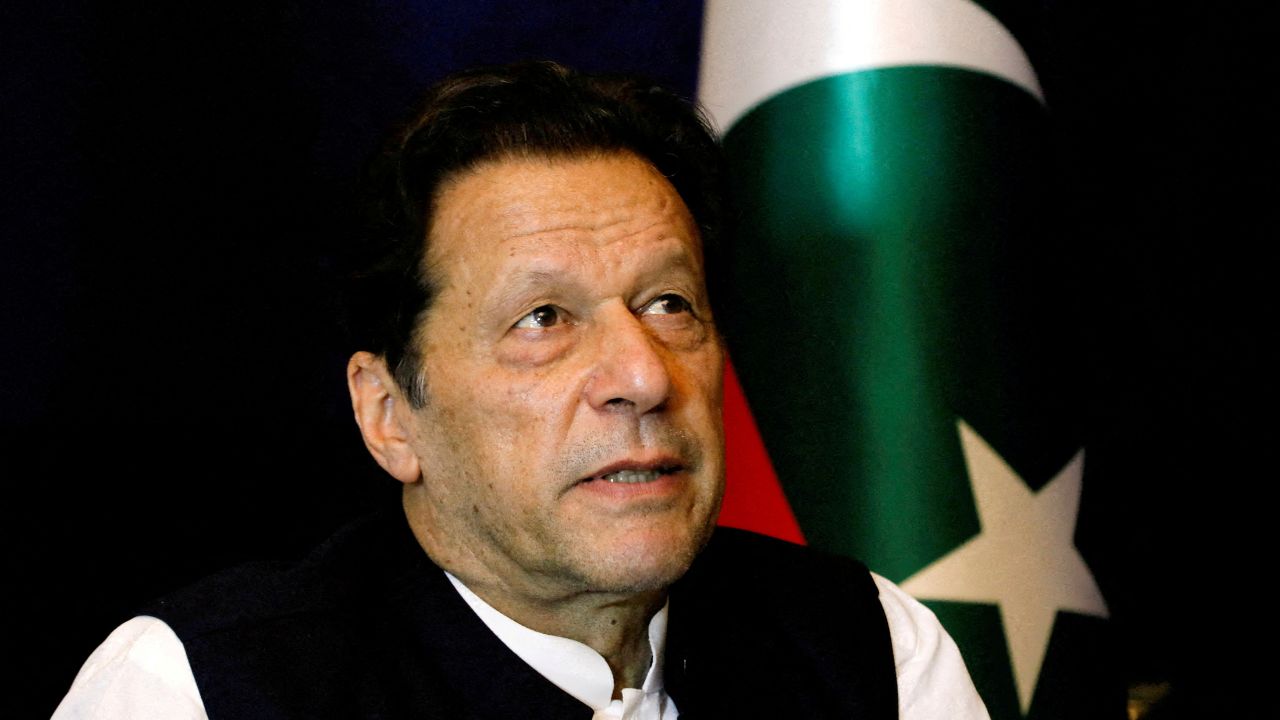
The headlines are predictable. A militant official points a finger at Ankara. Ankara points a finger back at "terrorist provocations." The media dutifully reports that peace talks have "stalled" because of a "lack of democratic reforms."
This narrative is comfortable. It’s also completely hollow. For an alternative view, see: this related article.
Blaming a "lack of reforms" for the collapse of peace negotiations is like blaming a lack of paint for a house that has no foundation. It assumes that both parties actually want a resolution that involves shared power and a quiet border. They don’t. What we are witnessing isn't a failure of diplomacy; it’s a masterclass in strategic stalemate. Peace, in its traditional sense, is currently a liability for the leadership on both sides of this trench.
The Reform Myth as a Political Shield
The standard critique suggests that if Turkey simply overhauled its anti-terror laws or expanded Kurdish cultural rights, the guns would go silent. This is a fundamental misunderstanding of how power maintains itself in high-conflict zones. Further insight on this matter has been provided by Al Jazeera.
For the Turkish state, the "promise" of reform is a diplomatic currency used to buy time or appease international observers. For the militant leadership, the "demand" for reform serves as an evergreen justification for continued armed presence. If the reforms were actually granted, the militant leadership would lose its primary recruitment tool. If the reforms were actually granted, the Turkish nationalist base would revolt.
Stall tactics aren't a bug in the system. They are the system.
In my years analyzing regional security, I’ve watched this cycle repeat with nauseating precision. The "peace process" becomes a zombie—neither alive enough to function nor dead enough to be buried. This state of limbo allows both sides to avoid the hard, agonizing compromises that a real peace would demand.
The Incentive Gap
Why settle when the status quo is profitable? This isn't just about money; it's about political capital.
- Domestic Distraction: Conflict provides an easy "enemy" to rally against whenever domestic economic numbers look grim.
- Regional Leverage: A simmering conflict in northern Iraq and Syria allows Turkey to justify cross-border operations that are as much about geopolitical positioning as they are about security.
- Internal Discipline: For the militants, a state of war ensures that internal dissent is silenced in the name of "unity" and "survival."
When an official says talks have stalled because of a lack of reforms, they are really saying that the price of peace is higher than the cost of a controlled, low-intensity war.
Beyond the "People Also Ask" Simplifications
You’ll see common questions online: "Will there ever be peace between Turkey and the PKK?" or "What are the Kurdish demands?"
These questions are flawed because they treat the "Kurdish side" or the "Turkish side" as monoliths. They aren't. There are hawks and doves within every faction. Currently, the hawks are holding the microphones.
The brutal honesty that no one wants to admit? Peace requires a level of trust that was incinerated years ago. No amount of legislative "reform" can fix a deficit of trust this deep. You can change the laws tomorrow, but you can't change the fact that both sides believe the other is waiting for the first sign of weakness to strike.
The Cost of the "Slow-Walk" Strategy
Let’s be clear about the downsides of this contrarian view. Accepting that the talks are a charade is grim. It means acknowledging that more young men will die for a stalemate that suits their leaders. It means admitting that international mediation is often just theater.
But clinging to the "reform" narrative is worse. It creates a false hope that leads to bad policy. It encourages Western governments to push for "gestures" that the actors on the ground have no intention of honoring.
The Geopolitical Reality Check
Look at the map. This isn't 1995. The geography of the conflict has shifted from the mountains of southeastern Turkey to the power vacuums of Syria and Iraq.
The militant officials complaining about a lack of reforms are often doing so from positions of power in regions where they have established their own administration. They aren't just fighting for rights within Turkey anymore; they are fighting to protect a nascent proto-state. Turkey, meanwhile, isn't just defending its borders; it's asserting itself as a regional hegemon.
Reforms in Ankara won't solve the "Rojava" problem. A new constitution won't decide who controls the oil in Deir ez-Zor or the trade routes through Sinjar.
The Hard Truth
The talks didn't stall because someone forgot to draft a bill in parliament. They stalled because the geopolitical stakes grew too large for a local peace deal to contain.
Stop looking at the legislative calendar in Ankara for signs of progress. Start looking at the drone flight paths and the shifting alliances in the Syrian desert. That is where the real negotiation is happening, and it isn't being written in the language of human rights or democratic reform. It's being written in the language of attrition.
The "lack of reforms" is the excuse. The "peace process" is the mask. The war is the plan.