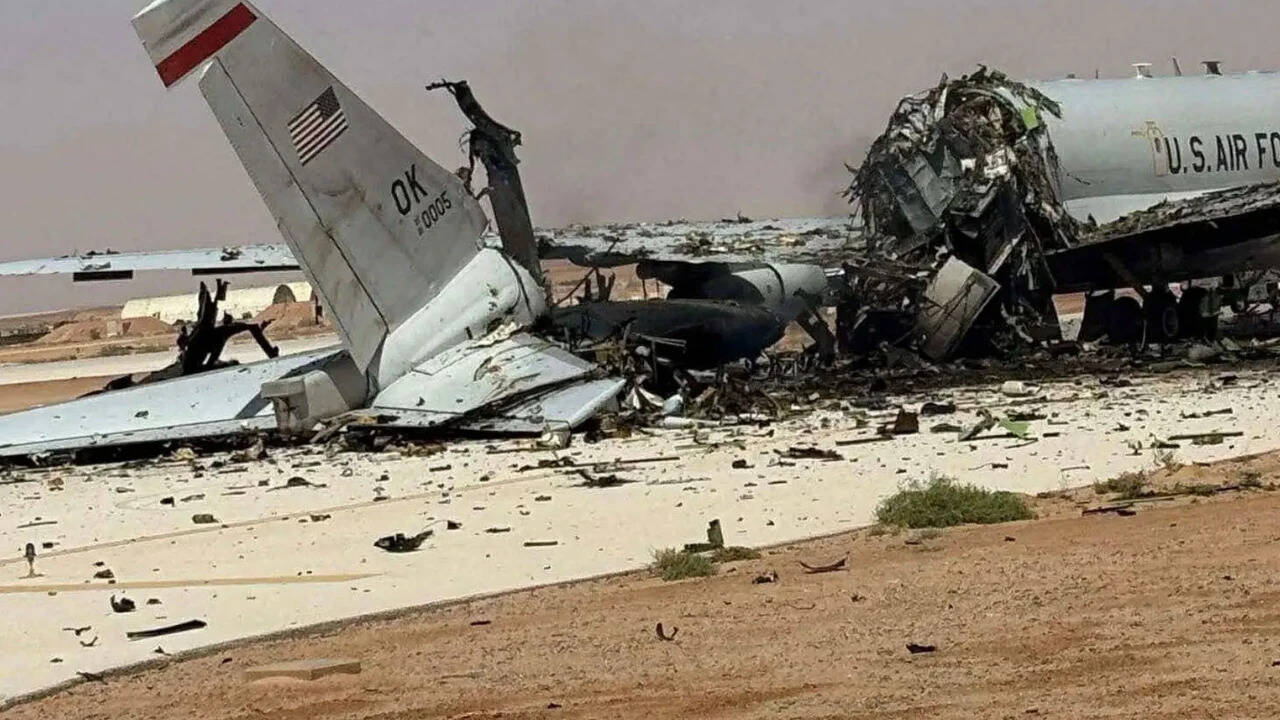
Wars always come with two sets of numbers. There's the official tally released by the government, neatly packaged for press briefings, and then there's the messy, expensive reality that trickles out later. Right now, American taxpayers and service families are getting a heavily sanitized version of what the conflict with Iran is actually extracting from the country.
Official figures sent to Congress put the price tag of the Iran war well past $45 billion, climbing toward $47 billion and higher with every month of naval blockades and munitions replacements. Yet that financial baseline ignores the deeper economic ripple effects hitting households at the gas pump. More troubling than the balance sheets, however, is the growing discrepancy over human lives. Investigative reporting and legal challenges against the Department of Defense reveal that official fatality numbers—initially hovering around a reported 18 to 21 service members—mask a much heavier human toll that the Pentagon has scrambled to obscure.
The Anatomy of a Shifting Price Tag
When military operations drag on, the bills pile up in ways budget directors rarely advertise upfront. The Congressional Budget Office estimates that keeping operations running costs billions every single month. Interceptors, cruise missiles, and equipment replacement do not come cheap.
Take a close look at where that money goes:
- Replacing high-end missile interceptors used against incoming fire.
- Maintaining continuous naval patrols and blockades in volatile shipping lanes.
- Repairing regional base infrastructure damaged during retaliatory exchanges.
Most of these expenses aren't even fully covered by existing congressional appropriations, meaning future budgets will have to plug massive funding gaps. Meanwhile, economists point out that the collateral damage stretches far beyond direct military spending. Energy market volatility driven by the conflict adds billions to consumer fuel costs, translating into a hidden tax paid by everyday Americans every time they fill up their cars.
Where Do the Casualty Numbers Go?
Money is replaceable. Lives aren't. That is why the discrepancies surrounding military casualties have sparked intense scrutiny and legal action. Independent journalists and watchdog groups have tracked a pattern of unexplained changes, delayed reporting, and strange bureaucratic recategorizations of wounded and fallen troops.
When the Department of Defense moves service member casualties into separate administrative buckets or updates death tolls months after an incident, trust evaporates. Defense officials push back hard against allegations of a cover-up, calling outside reports politically motivated leaks. But families of service members and lawmakers from both sides of the aisle demand transparency rather than PR management. When casualties are minimized on paper, it distorts the true cost of military intervention.
Why This Matters Moving Forward
You shouldn't have to parse through leaked documents or wait for Freedom of Information Act lawsuits to understand the cost of an ongoing foreign conflict. When governments hide the true human and financial toll of war, they shield themselves from public accountability.
The Iran war is shaping up to be a long-term drain on both the federal budget and domestic economic stability. Keep an eye on how Congress handles upcoming war supplementals and whether independent oversight bodies can force the Pentagon to release unredacted casualty data. Demand clear answers, look past the official press releases, and understand that every military engagement carries a heavy price long after the initial headlines fade.