Foreign policy in the Middle East rarely follows a straight line. When critics evaluate Washington's footprint under Donald Trump, they often rely on emotional talking points rather than looking at the actual mechanics of transactional diplomacy. You can't understand modern geopolitical shifts by pretending that previous administrations left behind a stable paradise. They didn't.
Let's look past the noise. The core of the strategy has always been about shifting the burden, focusing on economic leverage, and upending decades of diplomatic orthodoxies that yielded very little. Learn more on a similar issue: this related article.
The Myth of Coherent Master Plans
Analysts love to talk about grand strategies. They assume every presidential move is part of some multi-decade blueprint mapped out in a basement think tank. That is completely false.
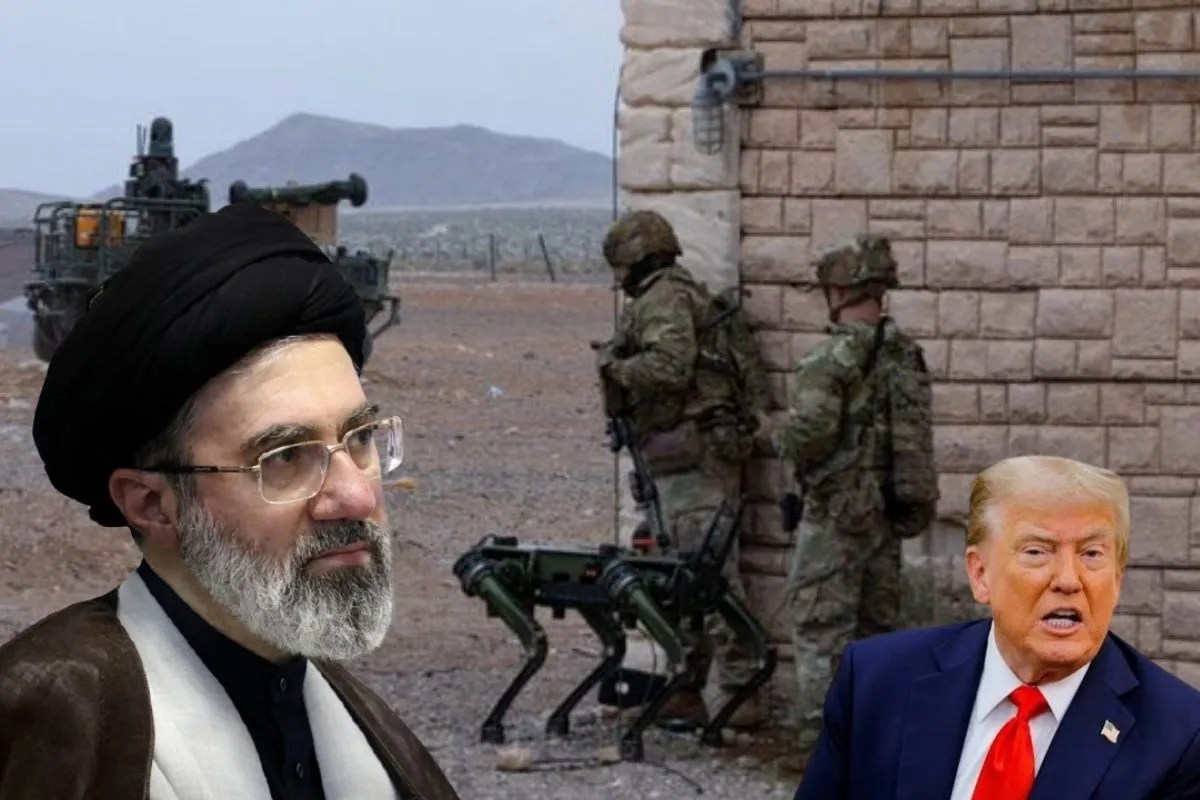
Under Trump, foreign policy operated more like a series of high-stakes business negotiations. Relationships with regional powerhouses like Saudi Arabia, the United Arab Emirates, and Israel were prioritized through direct alignment against shared adversaries, primarily Tehran. Critics call this chaotic. Proponents call it realistic. Further journalism by Reuters highlights comparable perspectives on this issue.
Instead of getting bogged down in endless state-building projects that drained trillions of dollars and thousands of lives during previous decades, the approach favored heavy economic pressure combined with targeted military actions.
Breaking Diplomatic Taboos
You have to look at what actually changed on the ground. Moving the U.S. embassy to Jerusalem and stepping away from the 2015 Iran nuclear deal (JCPOA) broke decades of conventional diplomatic rules. The foreign policy establishment warned of immediate, catastrophic regional conflagrations.
Did the sky fall? Not quite in the way the pundits predicted. Instead, it forced a complete realignment.
The Center for Security Studies at ETH Zurich analysis on Trump's Middle East policy points out that these moves accelerated normalization efforts between Israel and several Arab nations, fundamentally altering how regional trade and security pacts were negotiated. Traditional peace process frameworks—stalled for thirty years—were bypassed entirely in favor of direct bilateral agreements.
The Transactional Reality
Diplomacy under this framework stopped pretending to be about spreading abstract democratic values. It became transactional.
Billions in arms sales, massive infrastructure investments, and security guarantees were tied directly to American economic interests and domestic job creation. If you examine reports from organizations like the Council on Foreign Relations, the tension between maintaining a heavy regional footprint and satisfying domestic demands to end "forever wars" becomes glaringly obvious.
Opponents argue this approach ignored long-term stability and human rights. Supporters counter that decades of moralizing diplomacy didn't prevent massive civil wars in Syria or institutional collapses elsewhere anyway.
Looking at the Real Trade-Offs
Evaluating this legacy requires separating personal distaste for a leader's rhetoric from the actual policy outcomes.
- Traditional alliances faced unprecedented strain, particularly when traditional partners realized Washington wouldn't automatically rescue them from every local skirmish.
- Economic pressure campaigns against Iran disrupted regional proxies, though they also pushed Tehran to accelerate aspects of its nuclear enrichment capabilities.
- Regional integration bypassed the core Palestinian statehood question temporarily, which later erupted with severe consequences during subsequent conflicts.
The Middle East remains as volatile and fractured as ever. Blaming a single American presidency for centuries of deeply rooted sectarian, political, and territorial conflicts is lazy analysis. The reality is far messier: a blunt, deal-driven foreign policy that tore up the rulebook, forced new alignments, and left local actors to shoulder more of the consequences.