The political temperature in Pakistan just hit a new high. After three years of high-stakes legal battles, prison stints, and a fractured relationship with the establishment, the narrative surrounding Imran Khan is shifting fast. You’ve likely seen the headlines about his potential release and the supposed "reconciliation" with the military. Don’t believe everything you read at face value.
The latest development involves the Supreme Court of Pakistan ordering the 73-year-old former prime minister to be moved from prison to a private hospital for treatment. While the optics of this move suggest a cooling-off period between his party, Pakistan Tehreek-e-Insaf (PTI), and the military leadership, the reality is far more complex than a simple handshake. Also making waves in this space: The Cost of an Open Wound in the Halls of Ivory and Stone.
The Strategy Behind the Rhetoric
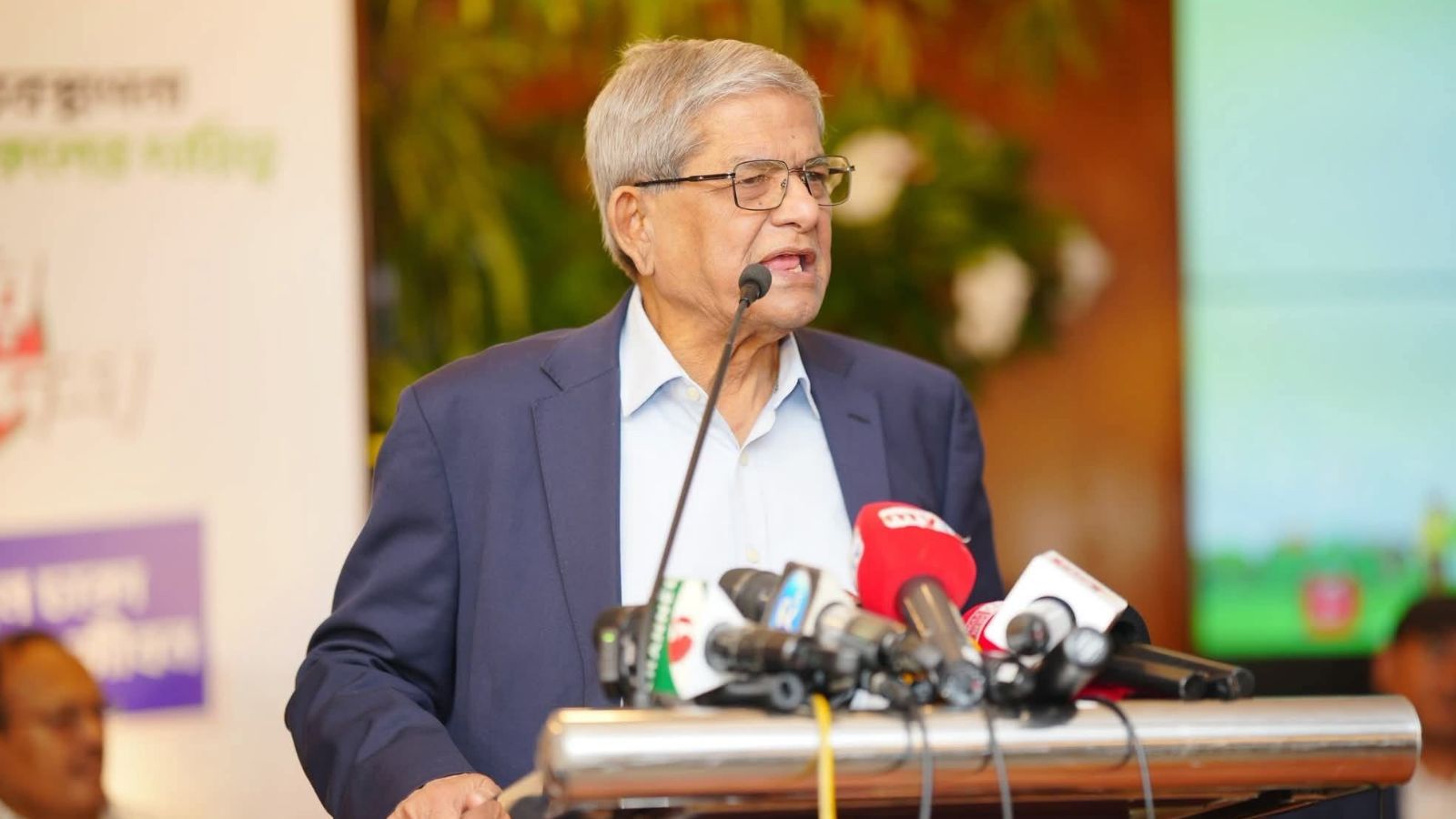
Zulfikar Bukhari, a close aide and PTI spokesperson, recently signaled that if Khan were released, he wouldn't intentionally seek conflict with Army Chief Asim Munir. The phrasing used here is critical. He spoke of "swallowing pain" for the sake of the country and described Khan as being "magnanimous".
This isn't just about personal feelings. It’s a calculated pivot. PTI supporters have spent years viewing the current military leadership as the primary architect behind Khan's 2023 imprisonment. For a party that thrives on a massive, energized grassroots base, suddenly adopting a tone of moderation is a risky gamble. It suggests the party realizes that a state of permanent total war with the military establishment offers no clear path back to power. More information into this topic are covered by USA Today.
Why This Matters in 2026
The tension between Khan and the military isn't just a local grievance. It has defined Pakistan’s trajectory since his ouster in 2022. During his time in office, Khan was frequently criticized for his reliance on that same military support to govern. When that relationship soured, the resulting power vacuum triggered a cycle of protests, arrests, and institutional instability.
Most analysts focus on whether Khan "likes" the army chief. That’s the wrong question. The real issue is institutional survival. Pakistan is currently navigating a period of intense regional diplomatic pressure—exemplified by its recent, surprising role as a lead mediator in high-level talks between the United States and Iran. A country playing the role of a regional stabilizer cannot afford the domestic volatility that a continued, open-ended prison standoff with its most popular politician produces.
Separating Intent from Reality
We have to acknowledge the skepticism surrounding these "healing hand" comments. Khan himself has previously referred to Army Chief Munir as "mentally unstable" and claimed the military orchestrated his downfall. Can those bridge-burning accusations be ignored overnight?
The skepticism is warranted for a few reasons:
- Institutional Distrust: PTI supporters are deeply entrenched in an anti-establishment stance. A sudden U-turn by party leadership could alienate the very people who have kept the movement alive during Khan's incarceration.
- The Legal Web: Khan faces dozens of charges, ranging from state gift mismanagement to allegations linked to violent unrest. Moving him to a hospital is a medical necessity, not a legal exoneration.
- Internal Party Dynamics: While aides might suggest reconciliation, Khan has historically been a hardliner who prefers to double down on his principles rather than compromise on the terms of his political rivals.
What Comes Next
If you’re watching this, don't look for a dramatic press conference where enemies become friends. That isn't how Pakistani politics functions. Look for the small, quiet signals.
- Compliance with Court Orders: The fact that PTI agreed to keep supporters away from the hospital site is a significant indicator of discipline. It’s a way of showing the state that the party can operate within legal boundaries.
- Backchannel Communication: The rhetoric from spokespeople like Bukhari is almost certainly coordinated to gauge the reaction of the military establishment without exposing Khan to further political fallout.
- The Courtroom Pace: Keep a close eye on how the remaining legal cases are handled. If they suddenly lose momentum or face repeated "procedural delays," you’ll know a quiet understanding has been reached.
This situation remains fluid. The military has consistently maintained that it does not interfere in politics, and the government claims these cases are strictly matters for the judiciary. Yet, in the real world of power, these lines rarely stay clean. Khan’s future won’t be decided by a single statement from an aide. It will be decided by whether the cost of keeping him in prison outweighs the risk of letting him out.
For now, the only certainty is that the status quo is changing. Pay attention to the silence from the military rather than the noise from the political press. That is where the actual deal, if one exists, is being written.