Don't believe the narrative that a single weekend of airstrikes just blew up the Middle East peace process out of nowhere. When Iranian state media announced Monday that Tehran is walking away from indirect negotiations with the Trump administration, it wasn't a sudden fit of rage. It was the predictable crash of a diplomatic house of cards built on shaky assumptions.
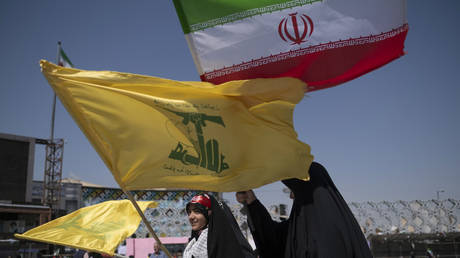
The immediate catalyst looks obvious on the surface. Israeli Prime Minister Benjamin Netanyahu ordered fresh airstrikes on Beirut’s southern suburbs, sending traffic piling up in Dahiyeh as civilians fled. Iranian Foreign Minister Abbas Araghchi immediately drew a line in the sand, stating that a violation of the ceasefire on one front is a violation on all fronts.
But while the bombs in Lebanon grabbed the headlines, the real breakdown happened behind closed doors in Washington and over the waters of the Persian Gulf. Trump’s casual advice on Truth Social telling everyone to "sit back and relax" because things will "work out well in the end" didn't just age poorly within a few hours. It completely misread how close the entire framework was to collapsing under the weight of naval blockades, drone strikes, and shifting demands.
The Illusion of the Frontline Ceasefire
You can't understand why these talks died without looking at what actually happened over the last few days. The nominal truce put in place back in April was never stable. Over the weekend, the US military pounded Iranian radar and drone sites near the Strait of Hormuz. Tehran didn't just take it lying down. Monday morning, Iran retaliated by firing missiles at a military base in Kuwait, claiming it was used to support the American operation.
This isn't a diplomatic pause. It's an active, multi-theater skirmish.
When the Islamic Revolutionary Guard Corps threatened Monday to open "other fronts," specifically pointing toward the Bab el-Mandeb strait, they were reminding the West of their leverage. Iran’s central strategy relies on tying all regional conflicts together. They explicitly demanded that the ceasefire apply to Lebanon, where Israel has deepened its invasion, even capturing the historic Beaufort Castle.
An anonymous Iranian official revealed that last-minute changes to the deal's terms by US negotiators over the weekend heavily soured the mood. Trump apparently pulled back from an outline agreement on Friday, demanding stricter revisions regarding Iran's highly-enriched uranium stockpiles. The Iranian side wasn't even informed of the new terms before they landed, creating massive friction.
Trump's Steel Blockade Meets Tehran's Inflation Crisis
When asked about the halt in negotiations, Trump brushed it off to reporters, saying that "going silent would be very good" and that the sides have been talking too much anyway. He made it clear that the US won't rush to drop more bombs, but will instead maintain its naval blockade on Iranian ports.
"We'll just go silent. We'll keep the blockade. The blockade is a piece of steel," Trump told reporters.
That piece of steel is doing real damage, but it’s a double-edged sword. Inside Iran, President Masoud Pezeshkian is already warning his citizens to brace for severe economic pain, with annual inflation running at a brutal 53.9 percent. The regime desperately needs the Strait of Hormuz reopened to get oil moving and ease the pressure on its population.
Yet, Tehran is betting that Trump is equally terrified of an extended war that keeps global energy markets completely destabilized. With oil prices pushed back above $100 a barrel, the economic shockwaves aren't contained to the Middle East. Iran is banking on the calculation that its willingness to absorb military strikes gives it the upper hand against an American president who promised to end expensive, unpopular foreign conflicts.
The Broken Mechanics of Indirect Diplomacy
The way these negotiations were set up practically guaranteed this kind of volatile breakdown. Based in Oman, the talks were entirely indirect. Omani Foreign Minister Badr bin Hamad Al Busaidi had to shuttle messages back and forth because Abbas Araghchi refused to sit face-to-face with the American delegation led by Steve Witkoff and Jared Kushner.
This game of diplomatic telephone allowed both sides to project totally different messages to their domestic audiences. While Iranian negotiators abroad hinted at progress, hardliners back in Tehran used Friday sermons to trash the very idea of diplomacy.
The structural flaw of the talks comes down to a fundamental mismatch in goals:
- The US Position: Treasury Secretary Scott Bessent and congressional skeptics demand that Iran completely hand over its nuclear fuel and permanently abandon its weapons program before receiving massive sanctions relief.
- The Iranian Position: Tehran wants billions in frozen assets released and the maritime blockade lifted before they even discuss their nuclear program.
With Israel ramping up pressure on Hezbollah in Lebanon and the US refusing to blink on the naval blockade, the diplomatic track simply ran out of room to maneuver.
If you are tracking how this impacts global markets or regional security, stop waiting for a sudden breakthrough. The immediate step for shipping firms and energy traders is to prepare for extended disruptions around key maritime chokepoints. The blockade isn't moving, the drone exchanges are expanding to places like Kuwait, and the quiet diplomacy in Oman is officially on ice. Watch the insurance rates for transit through the Bab el-Mandeb and the Strait of Hormuz over the next 48 hours. That will tell you exactly how dangerous this breakdown really is, regardless of what anyone posts on social media.