The trial of Russell Brand at London's Southwark Crown Court delivered a seismic shock to the entertainment landscape. For weeks, headlines tracked every development as a jury weighed allegations that spanned decades. When the verdicts finally landed, they shattered the cultural mythology surrounding celebrity impunity. Brand was convicted of one count of rape and three counts of sexual assault against four women, offences committed between 2004 and 2009.
Judge Joel Bennathan sentenced the 51-year-old comedian and media personality to ten years and six months in prison. In his sentencing remarks, the judge did not mince words. He described Brand as a sexual predator who displayed a staggering, casual arrogance regarding women's consent. Yet, outside the courtroom and across digital platforms, a fierce public debate erupted instantly. High-profile figures and commentators rushed to defend him or question the legitimacy of the judicial process. If you liked this article, you might want to read: this related article.
To understand what actually happened during this landmark legal battle, we have to look past the social media noise and examine how the case unfolded under British law.
Inside the Courtroom Dynamics
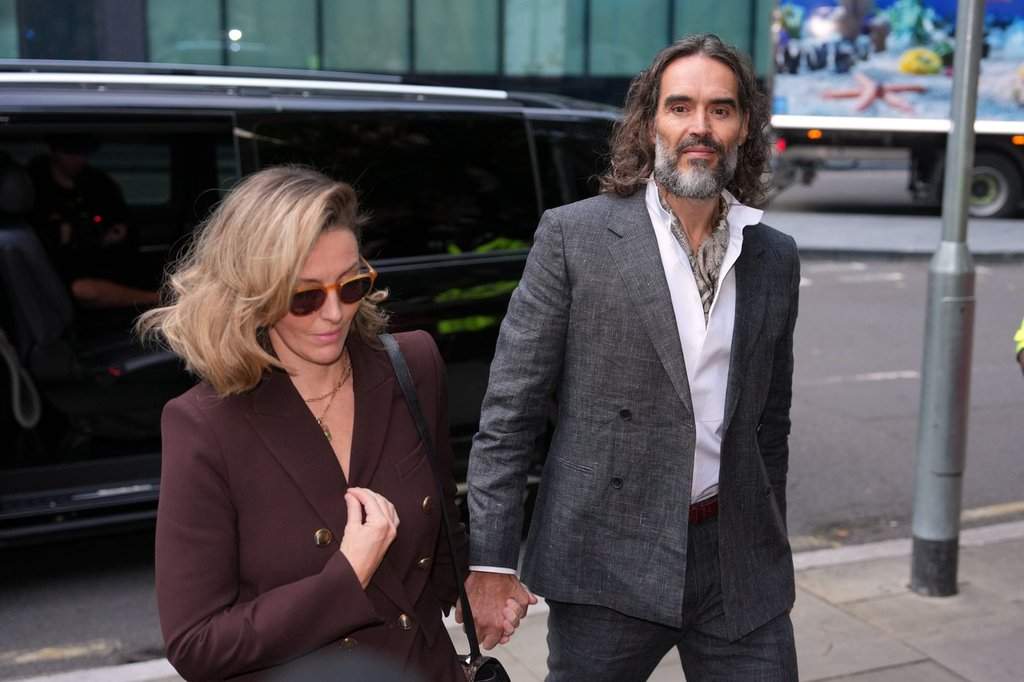
Trials involving high-profile personalities always carry a unique theatrical weight. Brand arrived at Southwark Crown Court each morning wearing tailored attire, accompanied by his wife, Laura Brand, who also gave evidence in his defense. His legal team, led by Ian Winter KC, argued that the four charges stemmed from isolated incidents and characterized the sexual encounters as consensual or momentary lapses in judgment. For another angle on this event, check out the recent update from USA Today.
However, the prosecution presented a structured, evidence-driven case built around the independent testimonies of four women who did not know one another
What the Russell Brand Court Case Means For Media Accountability
news, entertainment
When a public figure steps into a courtroom to face criminal charges, the shockwaves go far beyond standard celebrity gossip. The legal proceedings involving Russell Brand mark a high-stakes collision between high-profile entertainment, historical allegations, and the rigid mechanisms of the British justice system. People aren't just tuning in for the drama. They're watching to see if institutional power finally answers to the same standards as everyone else.
If you've followed this story, you know it didn't start overnight. Investigative reports, police appeals, and months of legal maneuvering built up to this moment. But what gets lost in the breathless daily reporting is the actual mechanics of how these trials function in the UK. Let's break down what's happening, why it matters right now, and what the precedents set here mean for the broader media ecosystem.
The Reality of High Profile Legal Battles in London
Navigating a British courtroom under the intense glare of global media is an extraordinary pressure test for any legal team. Brand has consistently and strenuously denied all allegations leveled against him, characterizing past relationships as consensual. His defense strategy relies heavily on dismantling the credibility of timelines and establishing context from years prior, while prosecutors must thread a needle through decades-old evidence.
Trials of this magnitude expose deep fractures in how society handles historical claims. Witnesses face intense scrutiny. Jurors are instructed to ignore outside noise—a nearly impossible task in the age of non-stop digital commentary. When you look at how these cases proceed through the Crown Court, delays and procedural hurdles are practically guaranteed. The wheels of justice grind slowly. That slowness frustrates the public, but it's built to protect the integrity of the process. Still, the toll on all parties involved is staggering.
Why This Case Breaks the Traditional Celebrity Playbook
Historically, famous individuals accused of severe misconduct could lean on PR machinery, private settlements, or quiet retreats to ride out the storm. That playbook is dead. The shift began with a cultural reckoning around systemic abuse and was accelerated by independent media ecosystems that operate outside traditional network filters.
Brand himself transitioned from mainstream broadcasting to building an alternative digital empire. He cultivated an audience that views mainstream institutions with deep skepticism. Because of that unique positioning, his defense isn't just happening in front of a judge and jury. It's happening concurrently across digital platforms where his supporters and critics battle for narrative dominance. This creates a bizarre paradox where the trial is simultaneously bound by strict UK contempt of court laws—which heavily restrict commentary that could prejudice a jury—while a parallel trial plays out unfiltered online.
The Broader Impact on Media Accountability
We are watching a fundamental shift in how media companies vet talent and handle internal complaints. For years, major networks and production companies operated with a blind-eye culture. If a star brought in high ratings and advertising revenue, warning signs were routinely ignored or buried under non-disclosure agreements.
The scrutiny facing historical behavior at major broadcasters like the BBC and Channel 4 following the initial Dispatches investigation and subsequent police probes changed the risk calculus entirely. Employers can no longer claim ignorance when patterns of behavior emerge. Compliance departments now move much faster to distance themselves from tainted figures, sometimes aggressively cutting ties before legal verdicts are even reached.
This brings up an uncomfortable question for consumers. How do we separate the art from the artist, or the persona from the individual? Brand built a massive following by positioning himself as an anti-establishment truth-teller, a spiritual guide, and a champion of the marginalized. For his loyal base, the allegations feel like a coordinated hit job by the very establishment he critiqued. For his accusers and critics, the situation represents the exact sort of institutional protection that allowed powerful men to act with impunity for decades. Both viewpoints cannot be right, but both drive massive engagement.
Understanding the Legal Thresholds
In the British legal framework, the Crown Prosecution Service must meet a very high burden of proof. Historical sexual assault cases present unique evidentiary nightmares. Physical forensic evidence is usually non-existent after many years. Prosecutors rely heavily on contemporaneous notes, diary entries, medical records, and corroborating witness testimony from friends or colleagues who were told about incidents at the time.
Defense teams attack these inconsistencies relentlessly. Memories fade. Human recollection is notoriously malleable, especially under stress or when influenced by external media coverage. Pointing out minor contradictions in a complainant's timeline is a standard, aggressive defense tactic designed to create reasonable doubt in the minds of the jurors.
Understanding this dynamic helps strip away the emotional noise. You don't have to pick a side in a comment section to recognize that a criminal trial is a cold, clinical examination of specific legal tests.
The Unfiltered Reality Moving Forward
The resolution of this case will set a massive benchmark for how British courts handle high-profile historical sex crime prosecutions in the digital era. It forces a reckoning on multiple fronts: the limits of free speech during active legal proceedings, the responsibilities of alternative media platforms, and the painful path toward true accountability.
Keep your focus on the facts as they emerge from the courtroom rather than the sensationalized takes dominating social feeds. The legal system is built to parse truth from noise, even when the noise is deafening. Pay attention to the rulings, watch how the evidence is actually tested, and refuse to let online noise replace due process.