Tokyo doesn't hand out "very stern protests" like candy. When Japan's Ministry of Defense scrambles F-15s and fires off an official diplomatic rebuke because Russian military aircraft entered Japanese airspace, it isn't just routine Cold War theater. It's a calculated stress test of East Asian air defense.
Most headlines treat these incidents like isolated blips on a radar screen. A Russian reconnaissance plane or bomber crosses an invisible line near Hokkaido or the northern islands, Japanese jets escort it out, and diplomats trade angry words. Then everyone moves on until next month. That misses the actual point. If you look at the flight logs released by Japan's Joint Staff over the past several years, a clear pattern emerges. Moscow isn't getting lost. They're mapping response times, testing radar blind spots, and signaling displeasure whenever Tokyo aligns closer with Washington or NATO.
Why Russian Military Aircraft Keep Testing Japanese Airspace
Let's be clear about what an airspace violation actually means under international law. Every sovereign nation controls the sky directly above its territory and its territorial waters, which extend 12 nautical miles from the coastline. Entering an Air Defense Identification Zone (ADIZ) is legal, though annoying, and happens constantly. Crossing into actual territorial airspace without permission is a direct breach of sovereignty.
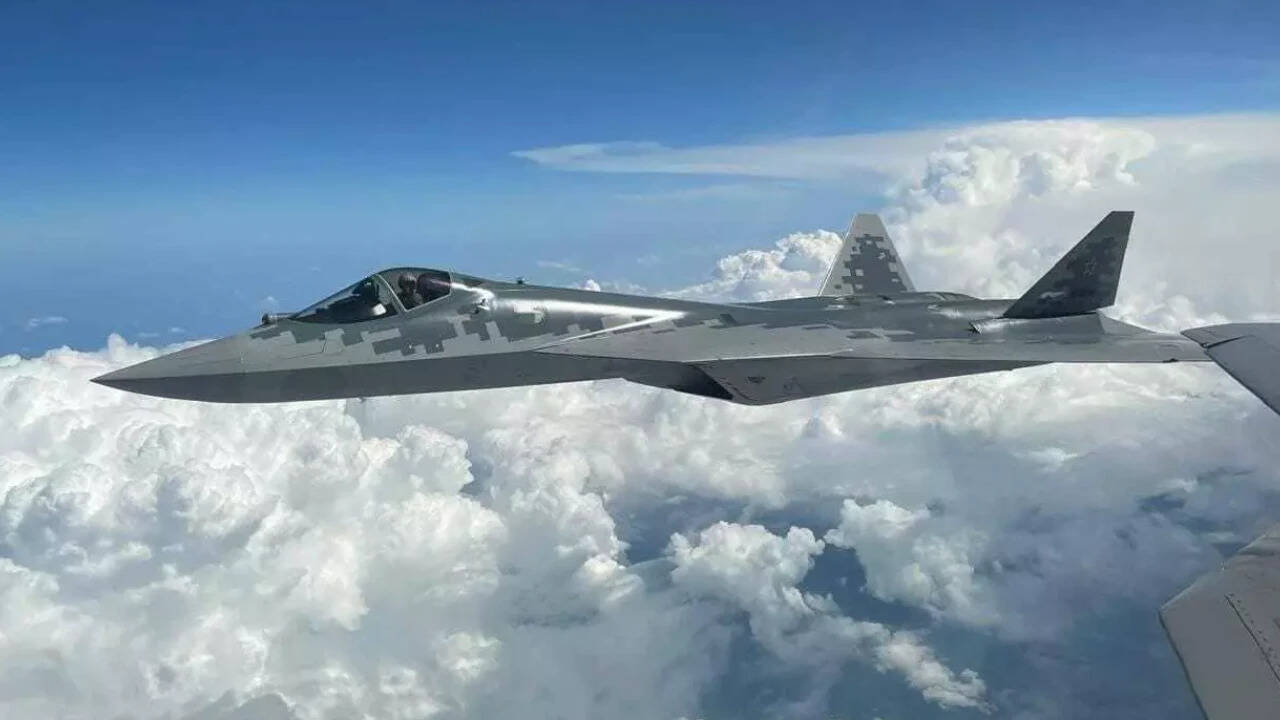
Russia knows exactly where the 12-nautical-mile line sits. Their pilots fly Tu-95 Bear bombers, Il-38 maritime patrol aircraft, and Su-35 fighter jets equipped with advanced navigation systems. When a Russian plane crosses near Rebun Island off northern Hokkaido or skirts the disputed Kuril Islands—which Japan calls the Northern Territories—it's intentional.
I've followed East Asian defense posture for years, and the biggest mistake casual observers make is viewing these flights in a vacuum. You have to look at the calendar. Russian air activity around Japan almost always spikes right after major diplomatic or military events. Did Japan just announce joint naval drills with the United States and Australia? Expect Tu-95s near the Sea of Japan within days. Did Tokyo tighten sanctions on Moscow or pledge fresh non-lethal aid to Ukraine? Suddenly, Russian intelligence-gathering planes appear off Hokkaido.
The Difference Between an ADIZ Incursion and an Airspace Violation
Confusion over aviation terminology ruins half the news coverage on this topic. You'll read reports claiming Russian jets "violated" Japanese skies hundreds of times a year. Not true.
Here's how it actually breaks down:
- Air Defense Identification Zone (ADIZ): This is a buffer zone extending well beyond national borders. Nations declare an ADIZ so they can identify approaching aircraft early. Russia doesn't recognize Japan's ADIZ, and flying through it doesn't break international law. The Japan Air Self-Defense Force (JASDF) still scrambles fighters to monitor these flights, logging hundreds of scrambles annually against both Russian and Chinese aircraft.
- Territorial Airspace Violation: This happens when a foreign military plane crosses inside that 12-nautical-mile coastal boundary. It's rare. When it happens—such as the September 2024 incident where a Russian Il-38 patrol aircraft entered airspace north of Rebun Island three times in a single afternoon, prompting JASDF fighters to deploy flares for the first time in history—Tokyo treats it as a severe security breach.
That flare incident changed the rules of engagement in the region. For decades, Japan relied strictly on radio warnings and visual wing-rocking to push intruders back. Firing flares isn't shooting to kill, obviously, but it's a sharp escalation. It tells the Russian cockpit crew that Tokyo's patience has hit zero.
What Happens Inside the Cockpit During a Scramble
People picture Top Gun dogfights when they hear about fighter scrambles. Reality is much colder and far more technical.
When Japanese ground radar stations—like the ones perched on Hokkaido's northern tips—pick up an unidentified track heading south from Sakhalin or the Sea of Okhotsk, alert crews at Chitose Air Base have minutes to get airborne. F-15J Eagles scream off the runway, climb fast, and intercept the Russian aircraft miles before it reaches sovereign territory.
Once they pull alongside, it becomes a silent game of chicken at 30,000 feet. The Japanese pilots visually confirm the tail numbers, check whether the Russian plane is carrying live munitions or electronic intelligence pods, and snap high-resolution photos. Those photos end up in the press releases published on Japan's Joint Staff website later that evening. Meanwhile, the Russian aircraft's sensors are soaking up everything they can about how fast Japan reacted, which radar frequencies lit up, and how the interceptors positioned themselves.
It's basically a live-fire intelligence gathering run without firing a shot.
The Kuril Islands Complication
You can't talk about Russia and Japan without addressing the elephant in the room: they still haven't signed a formal peace treaty ending World War II.
The sticking point is four islands—Iturup, Kunashir, Shikotan, and the Habomai islets—seized by Soviet forces in the final days of the war in 1945. Moscow calls them the Southern Kurils and treats them as sovereign Russian soil, complete with modernized missile batteries and airfields. Tokyo calls them the Northern Territories and considers them illegally occupied Japanese land.
Because both countries claim sovereignty over the exact same rocks and surrounding waters, the definition of "airspace violation" gets messy fast around that archipelago. When Russian helicopters or patrol planes fly near Nemuro on Hokkaido's eastern tip, they're operating right next to bases they consider domestic territory. From Tokyo's perspective, those aircraft are launching from stolen land and probing Japan's front door. Every diplomatic protest lodged by Japan's Foreign Ministry carries the weight of eighty years of unresolved territorial bitterness.
The China Factor Nobody Talks About Enough
If Russia were acting alone, Japan's Air Self-Defense Force could manage the workload without breaking a sweat. They aren't acting alone anymore.
Since 2019, Russian and Chinese bombers have conducted regular joint strategic patrols right through the Sea of Japan and the East China Sea. Think about what that means for Japanese defense planners. Historically, Japan pointed its primary radar and interceptor networks north against the Soviet Union. Over the last fifteen years, Tokyo shifted its focus southwest toward the Senkaku Islands and Taiwan to counter China's massive military buildup.
Now, Moscow and Beijing coordinate their flight paths. When Chinese H-6K bombers link up with Russian Tu-95s and fly between Okinawa and Miyako Island, Japan gets squeezed from both ends simultaneously. Tokyo has to stretch its F-15 and F-35 fleets thin to cover two fronts at once. A "very stern protest" from Japan's Chief Cabinet Secretary isn't just aimed at the Kremlin—it's a warning to Beijing that Tokyo won't normalize joint authoritarian intimidation in its backyard.
Why Diplomatic Protests Still Matter
Critics love to mock diplomatic language. Calling something a "very stern protest" sounds weak when compared to fighter jets buzzing coastlines. Why bother with strongly worded letters if Moscow just ignores them?
Because in international diplomacy, silence equals consent. If Japan fails to formally protest an airspace violation, Russia can argue over time that Tokyo acquiesces to Russian transit rights in those specific corridors. Every official protest creates a legal paper trail. It locks in Japan's territorial claims under international law, justifies increased defense spending to the Japanese public, and gives Tokyo leverage when asking Washington for deeper security guarantees.
Look at Japan's defense budget trajectory. For decades, Japan capped military spending at roughly 1% of GDP. Today, Tokyo is actively doubling that figure, buying long-range Tomahawk cruise missiles, and upgrading its southwestern islands. Every time a Russian plane crosses into Japanese airspace, it hands Japanese hawks another ironclad argument for why pacifist restraint no longer works in Northeast Asia.
How to Track These Incidents Yourself
If you want to understand what's really happening in the skies around Japan without relying on sensationalized social media posts, go straight to the primary sources.
First, check the Japan Ministry of Defense Joint Staff website. They maintain a public archive of press releases detailing almost every scramble against Russian and Chinese military aircraft, complete with exact flight maps, aircraft models, and date stamps. Comparing the maps month over month shows you immediately when flight patterns shift closer to key straits like Tsugaru or Soya.
Second, pay attention to the Soya Strait (La Pérouse Strait) between Hokkaido and Sakhalin. It's an international waterway, meaning Russian ships and planes can pass through legally, though the corridor is narrow. Whenever tension spikes between Russia and the G7, watch the Soya Strait—it's the primary bottleneck where Russian Pacific Fleet assets move between the Sea of Japan and the open Pacific, and where miscalculations are most likely to turn dangerous.