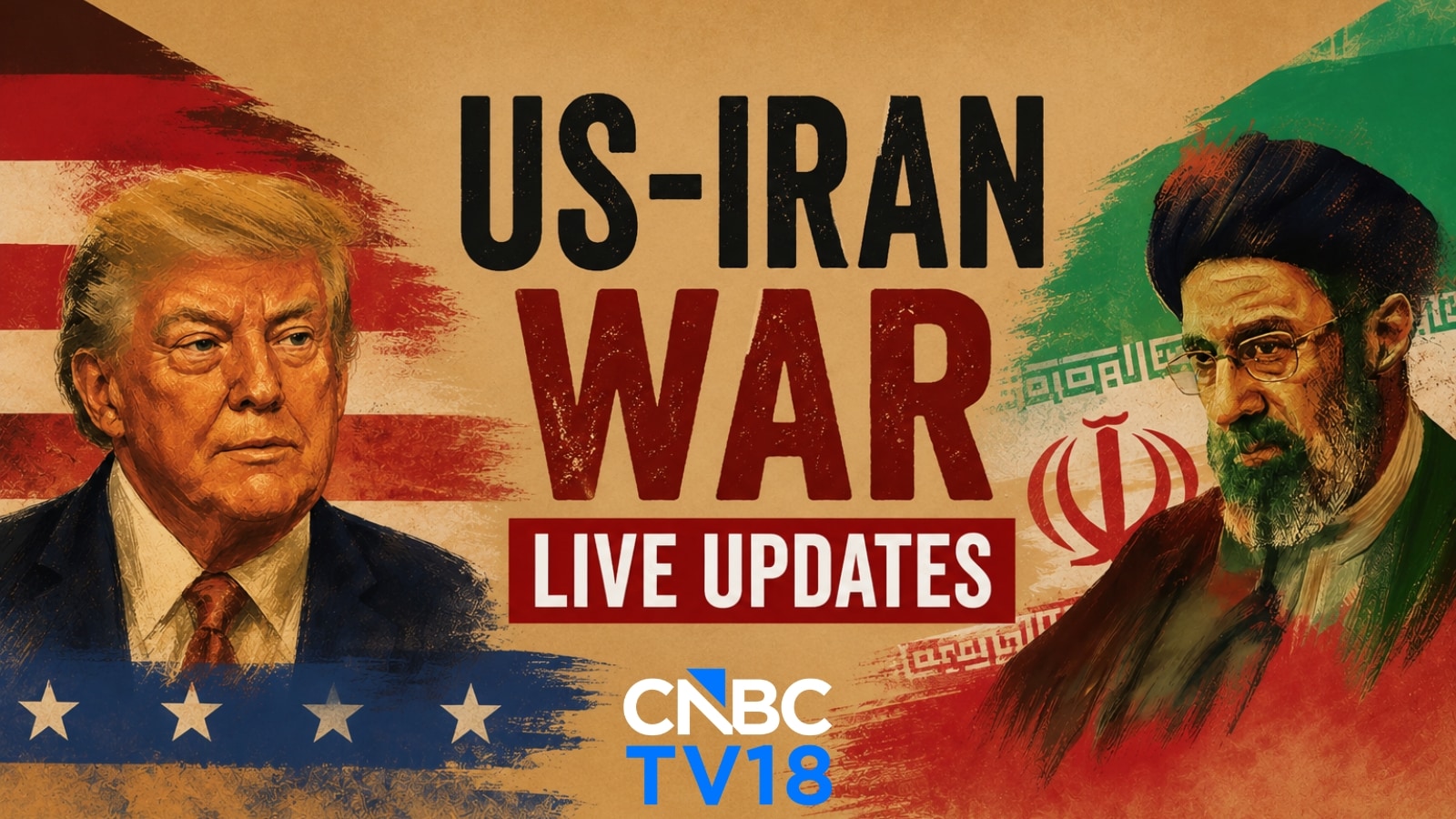
The narrative around the Strait of Hormuz usually sounds simple. Stop the fighting, open the water, and let oil flow.
Reality is messy. Meanwhile, you can find similar developments here: The Concrete Fever That Changed the Way We Breathe.
Iran recently announced that a draft agreement with Oman regarding the critical shipping chokepoint is in its final stage. US President Donald Trump claimed a breakthrough could happen any day. Markets reacted instantly. Brent crude hovered near eighty dollars a barrel, catching a temporary sigh of relief.
Yet, looking at this diplomatic push as a done deal ignores how Tehran and Washington view control of the region. If you think a signed paper instantly normalizes global shipping, you are missing the underlying friction points. To understand the bigger picture, we recommend the recent analysis by NBC News.
The Geopolitical Tug-of-War Over Shipping Lanes
Let's look at what is actually on the table. Regional officials note that the current framework involves bilateral talks between Iran and Oman. Both nations manage opposite sides of the maritime bottleneck.
The sticking point isn't just about drawing lines on a map. It is about sovereignty.
Under the proposed temporary arrangement, shipping coordination gets complicated. Reports indicate that vessels navigating the corridor may need to interact closely with Iranian-controlled paths. Tehran wants to maintain security oversight. Washington insists that no arrangement can legitimize Iranian dominance over a vital global trade route.
You have two opposing forces trying to claim a win.
- Tehran wants recognition of its maritime presence and relief from port blockades.
- The White House faces mounting political pressure to lower fuel prices before upcoming elections.
When political deadlines collide with strategic ambitions, compromises tend to fracture. The June memorandum of understanding collapsed for this exact reason. Assuming this new draft will automatically hold ignores recent history.
Why the Blockade and Security Realities Matter More Than a Signature
Foreign ministry spokespeople in Tehran have made a crucial point that Western headlines often gloss over. An agreement with Oman does not automatically make the waterway safe.
Why? Because the core hazards remain active.
The United States maintains a heavy naval presence and a strict blockade targeting Iranian ports. Mines still drift in parts of the central channel. Until those military components change, commercial captains won't simply sail through just because diplomats shook hands in Muscat.
Insurance companies hold massive leverage here. Underwriters dictate commercial traffic. If maritime insurers deem the route too risky, ships stay docked, regardless of what political leaders announce on television.
Furthermore, discussions over transit fees remain contentious. Iran has pushed for mechanisms to extract value from ships using the corridor, while regional and Western negotiators reject any mandatory toll. While interim drafts lean toward voluntary environmental or quality fees, the financial architecture of the passage is far from settled.
What to Watch Next As the Talks Progress
Keep your eyes on three specific indicators over the next week.
First, watch for formal approval from Supreme Leader Ayatollah Mojtaba Khamenei. Internal authorization remains the ultimate bottleneck for any deal coming out of Iranian negotiating rooms.
Second, monitor marine insurance rates. If underwriters start lowering war-risk premiums for the Persian Gulf, the market believes the deal is real. If premiums stay high, the agreement is just noise.
Third, listen closely to statements coming out of Washington regarding port restrictions. A lasting maritime solution requires reciprocal movement on naval blockades. If the US refuses to lift those restrictions, Tehran has little incentive to keep its side of the bargain open.
Do not rely on optimistic headlines alone. Look at the water. That is where the truth actually floats.