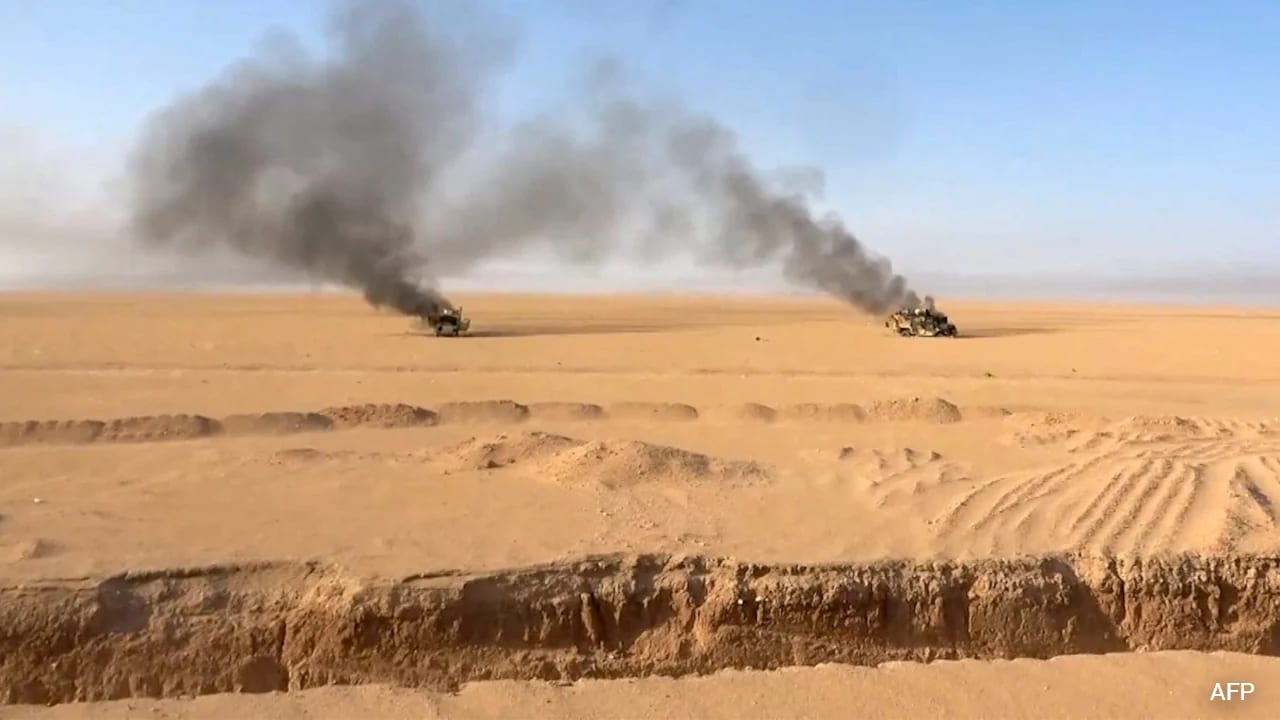
Air defense systems in Saudi Arabia don't get much rest these days. When the Saudi-led coalition announced that air defenses intercepted and destroyed an explosive-laden drone headed toward the Mecca region, it marked yet another flashpoint in a quiet war that keeps expanding. Most mainstream news snippets treat these events as isolated blips. They aren't.
Cross-border drone and missile strikes have escalated sharply, shifting focus away from simple containment toward a wider regional security crisis. If you've been wondering why aerial threats near Islam's holiest sites evoke such intense geopolitical panic, you have to look at the intersection of proxy warfare, regional architecture, and energy corridors. For a deeper dive into similar topics, we suggest: this related article.
The Anatomy of the Threat Near Mecca
Why target Mecca or Medina? Tactically, sending projectiles toward high-value religious and cultural centers guarantees maximum psychological and international impact. Even when air defenses succeed—as they did when the coalition intercepted the device over the Mecca region—the alarm bells ripple across global markets and diplomatic channels instantly.
The Iran-aligned Houthis have steadily upgraded their hardware over the years. We've moved far beyond crude projectile launches. Modern campaigns involve long-range loitering munitions capable of evading standard radar, requiring multi-layered defense batteries like Patriot and advanced counter-UAS technology to neutralize before impact. For further details on this topic, comprehensive coverage can be read at Al Jazeera.
Beyond the Headlines: The Wider Regional Friction
You can't separate these attacks from the broader theater. Fighting has intensified significantly amid wider regional conflicts involving Iran, proxy networks, and Western powers. Riyadh, southern infrastructure, energy facilities like Aramco, and holy sites find themselves targeted in coordinated waves.
The coalition, backing Yemen's internationally recognized government, faces a relentless war of attrition. Intercepting a drone before it hits soil is a technical victory, but intercepting every single threat indefinitely is economically and logistically grueling. Each defense battery deployment burns through expensive interceptor missiles to stop low-cost flying hardware.
What Comes Next for Regional Security
The immediate reality is messy. Riyadh continues to push international bodies to classify the Houthi movement as a formal terrorist organization, trying to choke off financial and material supply chains. Meanwhile, military operations inside Yemen respond in kind with airstrikes, locking both sides into a repetitive cycle of escalation.
Keep an eye on how air defense capabilities adapt over the coming months. Technology is shifting toward cheaper electronic jamming and laser-based interception because firing million-dollar missiles at cheap drones is a losing math game. Until a durable political settlement takes root in Yemen, expect the skies over the Arabian Peninsula to remain heavily contested.