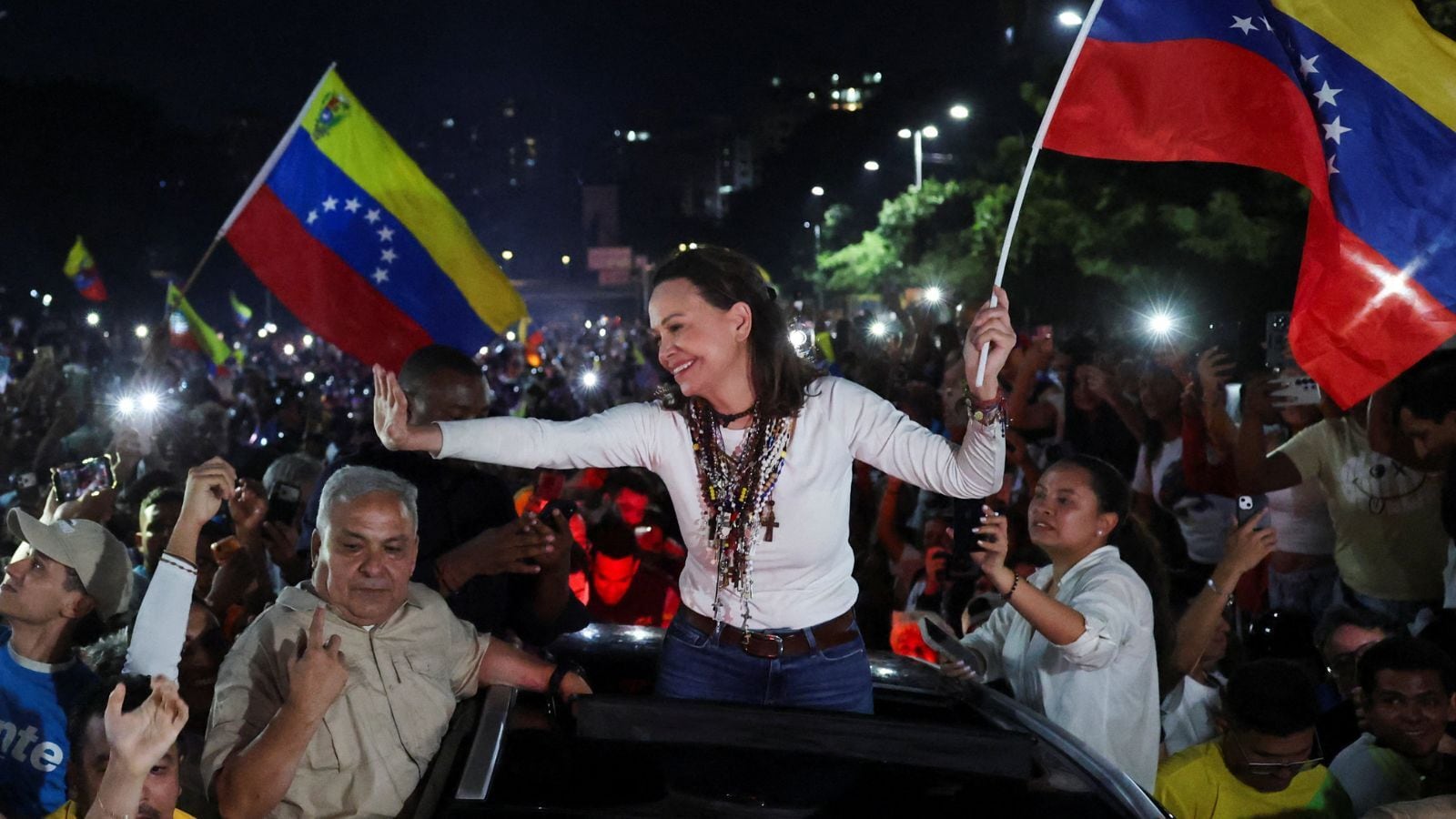
Maria Corina Machado is back on Venezuelan soil after roughly ten months in exile, and honestly, the celebrations in Lara and Caracas only tell half the story. She arrived on October 25, 2026, stepping into a church in Barquisimeto before making her way toward the capital as crowds chanted about freedom and waved phones in the air. Her return matters. Yet anyone treating this homecoming as an automatic ticket back to the presidential palace isn't paying close enough attention to how power shifted in 2026.
Think about what happened before she even left. Her movement is widely viewed as having won the contested 2024 presidential vote that Nicolás Maduro refused to surrender. Then in January 2026, U.S. forces captured Maduro in Caracas and flew him to New York to face charges. Logic would suggest that removing Maduro cleared the path for Machado. Instead, Washington opted to work with interim president Delcy Rodríguez, leaving Machado outside looking in while oil talks and economic stabilization took center stage. Meanwhile, you can find other stories here: The Saudi Evacuation Panic Is a Bureaucratic Illusion and You Are Falling for It.
That tension defines the whole moment. You have a Nobel Peace Prize laureate returning home to massive street emotion and a rallying cry for elections. At the same time, you have an interim administration backed in practical terms by major energy and diplomatic moves. A homecoming crowd feels electric. Governing a fractured country is something else entirely.
How Maria Corina Machado Returned After Nearly a Year Abroad
Getting back into Venezuela wasn't a simple commercial flight. According to reporting on her route, Machado traveled by private plane from Panama to Colombia and crossed overland into Venezuela, after earlier return attempts stalled amid domestic turmoil, including the aftermath of the June 24 double earthquakes. She posted "I am here. With you" on social media, sparking immediate reactions from supporters and allies like Edmundo González, who signaled he intended to follow soon. To understand the full picture, check out the excellent report by Reuters.
Her departure late in 2025 had already been complicated, tied to traveling to receive the Nobel Peace Prize and navigating a volatile regional environment. Being away for ten months changes the political math in subtle ways. Symbols stay strong from afar. Ground networks need constant tending up close.
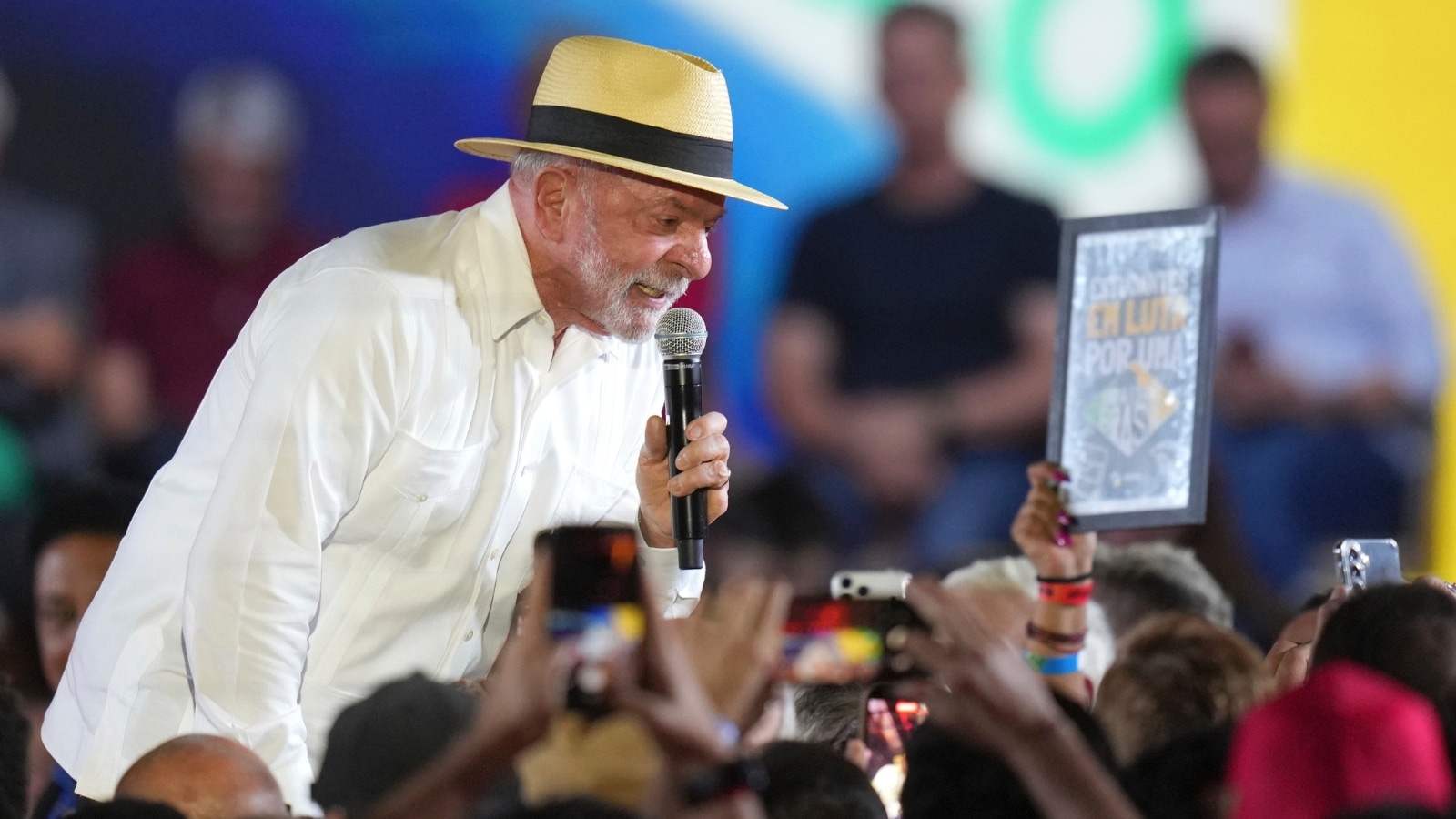
When she appeared at the Sanctuary of the Divine Shepherdess in Barquisimeto, the scene looked like a pressure valve releasing after months of frustration. People wept. Neighbors ran alongside vehicles. For supporters who felt sidelined after Maduro's removal, seeing her in person again restored a sense of momentum that social media clips couldn't match.
Why Washington and Caracas Complicated Her Homecoming
Here is the part that surprises a lot of casual observers. Machado worked hard to align her message with the Trump administration before and after Maduro's capture, even presenting her Nobel Prize to Donald Trump. Many of her backers assumed that alignment would translate into decisive political backing once Maduro was gone.
It didn't work out that way. When asked about her return on October 25, Trump said he didn't know anything about it while calling her a "very nice woman" and adding that the U.S. was doing well in Venezuela. U.S. officials have prioritized economic stabilization and energy deals—such as a 25-year oil arrangement and expanded project commitments overseen with Rodríguez and U.S. Energy Secretary Chris Wright—over rushing a rigid election timetable.
For Machado, that creates a delicate squeeze:
- Credibility with voters: Supporters want a clear date for free and fair elections, not indefinite interim rule.
- Leverage with outsiders: Foreign capitals focused on oil output, debt, and stability often prefer predictability over rapid political turnover.
- Internal opposition unity: Bringing allies like Edmundo González, Magalli Meda, and Carlos Blanco back into the fold requires turning street enthusiasm into a disciplined strategy.
I've watched plenty of post-authoritarian transitions across Latin America over the years, and deals around oil and security almost always move faster than ballot boxes. That doesn't mean democratic pressure fails. It just means opposition leaders have to bargain from a much harder position than their supporters expect.
What Is Actually Happening Inside Venezuela Right Now
Politics dominates headlines, yet daily life is what tests every leader in Caracas. Even after Maduro's ouster, prisoner releases, an amnesty law, and formal talks between the interim government and opposition figures, ordinary Venezuelans still face grinding basic problems.
Power outages remain frequent. Water supply is erratic. Living costs squeeze households and small businesses every single week. When an exiled activist like David Torres returns after helping the campaign and abandoning medical studies, his optimism about political change runs straight into the reality of broken utilities and high prices.
Rodríguez's government has moved to consolidate authority—replacing top military commanders in March 2026 and telling the U.N. General Assembly in September that Venezuelans will decide the "right moment" for elections. Meanwhile, Machado's team has pushed to regroup inside the country and press for a clear election calendar, including looking toward 2027.
Key Flashpoints to Watch
- Election timing: Machado's camp wants firm dates and guarantees; Rodríguez holds the levers to delay or set terms.
- Return of key figures: With figures like Magalli Meda and Carlos Blanco returning to Caracas in November 2026, the opposition is rebuilding its on-the-ground command.
- Oil vs. institutions: Energy agreements may bring foreign capital, yet critics argue an interim government lacks full democratic legitimacy to bind the country long term.
Common Misconceptions About This Political Shift
One big mistake is assuming Maduro's exit automatically meant democratic restoration. Removing a ruler doesn't rebuild courts, electoral boards, or public trust overnight.
Another misconception is treating U.S. policy as a single ideological crusade. Washington's posture in 2026 has blended pressure, security actions, and pragmatic energy engagement with the sitting interim authorities. If you read Machado's return purely through a U.S.-versus-Venezuela lens, you'll miss the real tug-of-war happening between Caracas street mobilization, interim state institutions, and regional diplomacy.
There's also legitimate debate over how fast elections should happen. Some analysts and diplomats argue that stabilizing infrastructure and basic economic conditions first prevents chaos, while opposition leaders warn that delaying elections simply lets an unelected administration entrench itself. Both arguments reflect real risks. Ignoring either side makes your analysis weaker.
Practical Ways to Follow What Happens Next
If you're tracking this story—whether for work, research, or personal ties to the region—don't rely on viral clips from rallies alone. Look at concrete signals instead.
- Track official announcements on electoral timelines and negotiation frameworks from both Machado's movement and Caracas authorities, noting whether independent monitoring terms are even on the table.
- Watch who returns and how they operate locally, paying attention to whether opposition organizers can hold meetings, travel, and communicate without renewed crackdowns.
- Compare political promises against everyday indicators like electricity reliability, water access, and inflation, since economic relief shapes public patience far more than speeches do.
- Cross-check reporting across multiple outlets such as Al Jazeera, The Guardian, and PBS News to separate emotional symbolism from verifiable policy shifts.
Machado is back where the fight actually lives, and the hardest test starts right now.