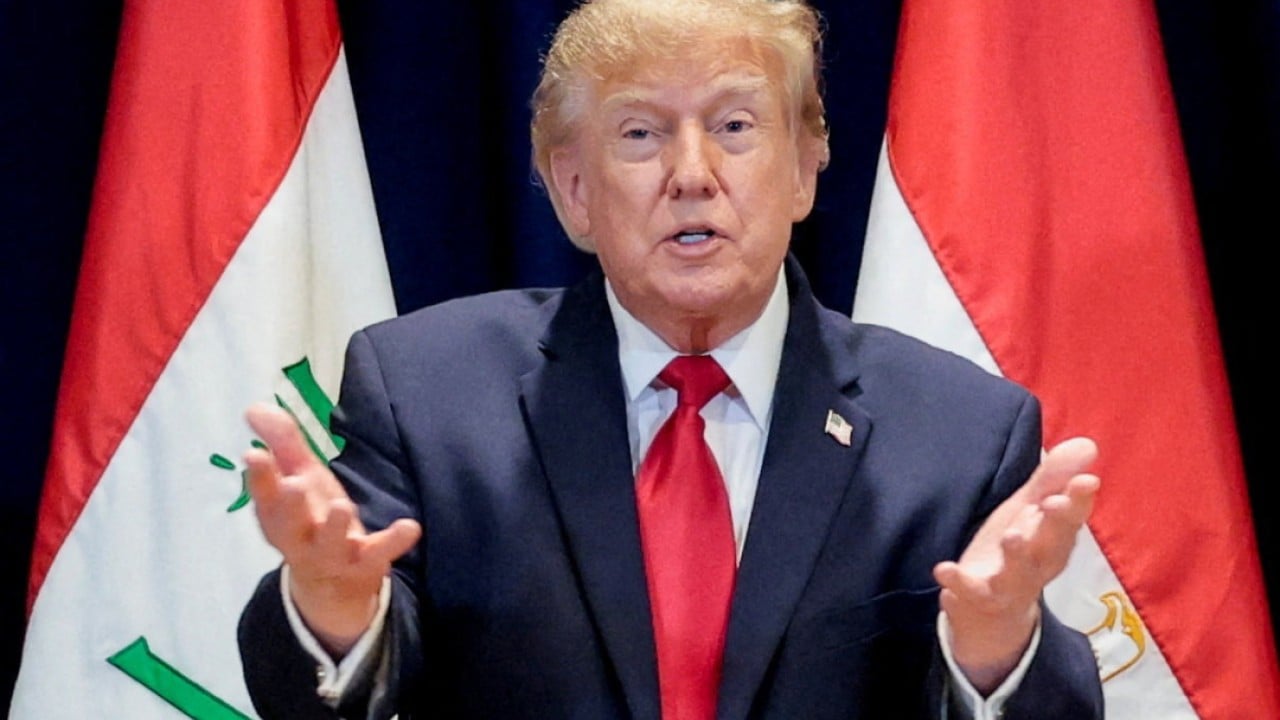
Big economic announcements usually arrive with a heavy dose of political theater. When President Donald Trump stepped into the Oval Office alongside executives from India's Essar Group to unveil an $18 billion total investment—anchored by a $15 billion steel complex in Iowa—the headlines focused on the numbers. Trump called it the largest steel project in American history.
If you look past the podium speeches and the political timing in a key agricultural state, a much larger industrial shift is happening. This isn't just a ribbon-cutting exercise for a midterm election cycle. It represents a calculated play by a major international conglomerate to plug straight into domestic U.S. manufacturing supply chains by leveraging high tariffs and clean-tech metal production.
Let's break down what's actually happening behind the scenes, why Iowa became the unexpected home for this mammoth mill, and what it takes to pull off a project of this scale.
The Anatomy of the $18 Billion Bet
The numbers thrown around in Washington sound astronomical because they are. Through its U.S. subsidiary Mesabi Metallics, the Essar Group—led by the Ruia family—is committing $15 billion to build an advanced steel facility in Iowa, alongside an ongoing $3 billion mining and resource pipeline connected to Minnesota.
Once production ramps up toward 2030, the facility aims to pump out millions of tons of steel annually. Construction is slated to employ thousands of workers, with thousands more permanent positions locked in once the plant goes live.
Why Iowa? The location puzzled early observers. After all, Essar has controlled iron ore assets in Minnesota since 2007 through its historical involvement with Minnesota Steel. Transporting raw materials south to Iowa instead of processing everything right on the iron range involves logistics planning on a massive scale.
State incentives and geographic positioning played a massive role. Iowa Republican leaders quickly signaled the need to prep statehouse measures for tax frameworks, while the administration's aggressive trade tariffs made building inside U.S. borders far more attractive than importing finished steel. Put simply, if you want to sell heavy industrial goods in the American market without bleeding cash on import duties, you build the factory on American soil.
The Technology Driving the Plant
Old-school blast furnaces are messy, coal-hungry monsters that regulators love to target. This new complex takes a different route entirely by leaning heavily on Direct Reduced Iron (DRI) and Electric Arc Furnaces (EAF).
Here is how the mechanics actually work:
- Iron ore is mined and processed in Minnesota.
- The facility uses DRI technology to strip oxygen from the iron ore at temperatures below its melting point, yielding solid metallic iron.
- That hot, freshly reduced iron is fed directly into electric arc furnaces alongside recycled scrap steel.
This setup cuts energy consumption and dramatically lowers carbon emissions compared to traditional coal-fired methods. It allows a massive facility to remain compliant with tightening environmental expectations while producing high-grade steel at competitive costs.
Navigating Past Hurdles and Complex Realities
Skeptics have pointed out that mega-projects announced in Washington don't always cross the finish line smoothly. Past industrial promises in the region have stumbled or stalled when political winds shifted or financing hit roadblocks. Essar itself has navigated a complex corporate history, managing major debt restructurings and international asset sales over the last decade.
Yet the backing of agencies like the U.S. Export-Import Bank gives this specific venture a different financial gravity. For the Ruia family, this investment serves as a major western pivot. Rewant Ruia, serving as chairman of Mesabi Metallics, framed the move as a homecoming of sorts, having spent years studying and living in the United States.
The deeper reality is that global conglomerates are figuring out how to navigate modern trade barriers. When import taxes threaten profit margins, multinational firms adapt by establishing domestic footprints.
If Mesabi Metallics successfully delivers on its 2030 timeline, it won't just alter the skyline of rural Iowa. It will completely rewrite how foreign capital builds heavy industrial infrastructure inside the American heartland. Keep a close eye on the permitting phases and local infrastructure upgrades over the next twenty-four months—that will tell you whether this historic blueprint turns into actual steel beams.
The video above provides a closer look at the announcements and local reactions surrounding the project.