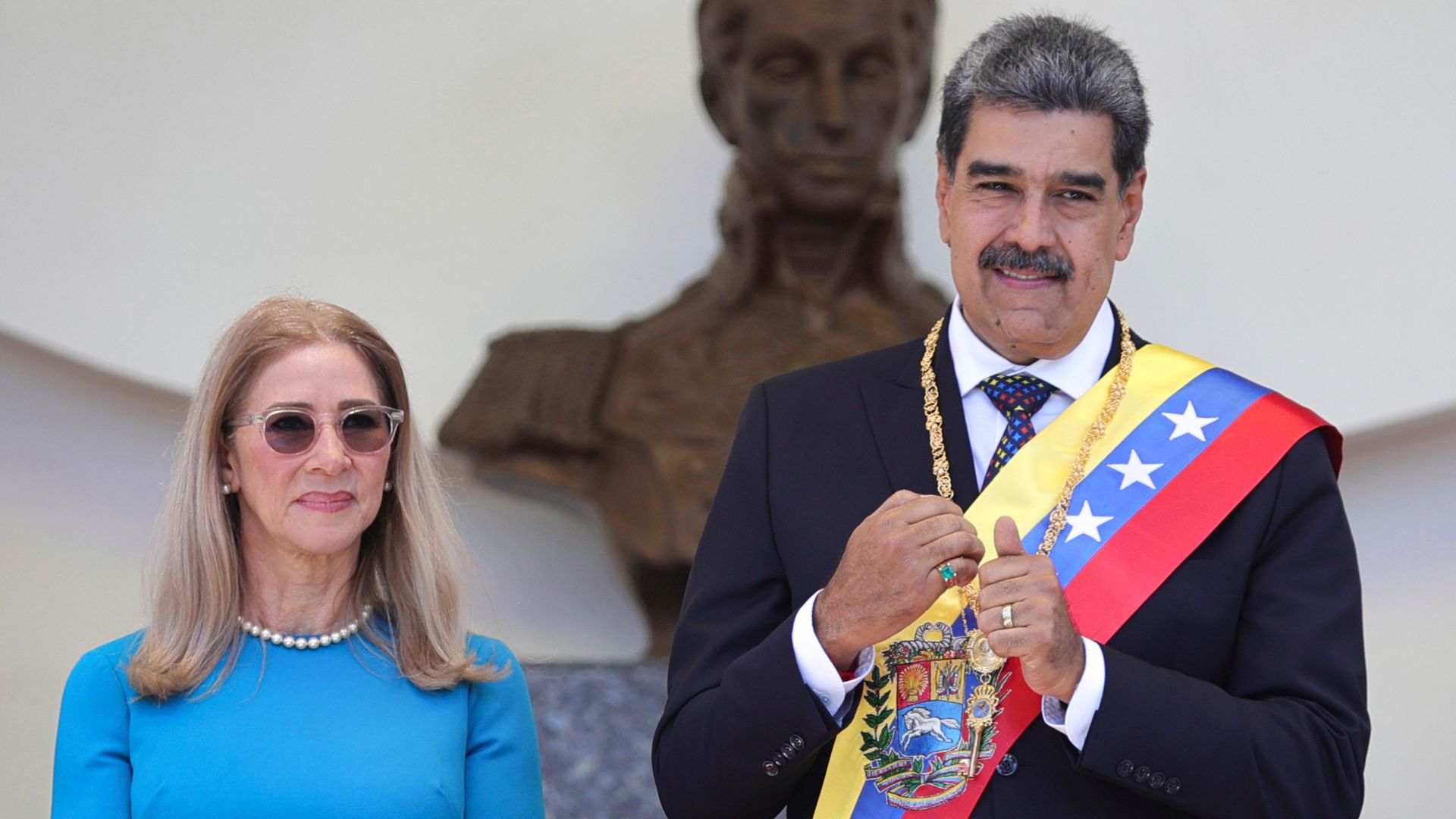
The legal walls are closing in on Caracas. Months after a dramatic U.S. military raid plucked ousted Venezuelan leader Nicolás Maduro and his wife, Cilia Flores, from power and hauled them to New York, federal prosecutors have piled on fresh, heavy accusations. This isn't just about drugs anymore. The latest superseding indictment pulls human rights abuses and conspiracy to commit torture directly into the courtroom spotlight.
If you think this case is straightforward, look closer. The legal battle playing out in a Manhattan federal court is messy, politically explosive, and packed with high-stakes friction between international law and U.S. federal jurisdiction. Recently making waves in related news: Why Obsessing Over Record Breaking Hurricanes Is Complete Nonsense.
Beyond Narco-Terrorism
When Maduro and Flores were first brought to the United States following their capture in January, the charges centered heavily on long-standing narco-terrorism and weapons conspiracies. Those allegations alone carried life-altering weight. But federal prosecutors didn't stop there.
In October, a federal grand jury returned a superseding indictment adding explosive new counts. The government now alleges that Maduro actively directed state officials to torture political opponents, military dissenters, and even detained U.S. citizens. Worse for Flores, prosecutors claim she wasn't just standing by. They allege she directly approved these torture operations, dismantling the defense's narrative that she was merely a political spouse caught in the crossfire. Additional information on this are explored by Al Jazeera.
Federal prosecutors described the alleged behavior as cold and systematic. They argued in court filings that the conspirators weren't just sitting behind desks giving orders; they were deeply hands-on in maintaining a climate of fear.
The Defense Pushback and Medical Drama
Predictably, the defense team has fought back hard. Lawyers for Maduro and Flores entered not-guilty pleas during their October arraignment, maintaining a posture of total defiance. Behind closed doors and inside the courtroom, however, the toll of high-security detention is becoming impossible to ignore.
Legal representatives for Flores have raised alarm bells regarding her health. Citing severe high blood pressure, dramatic weight loss, and chronic cardiac concerns, her attorneys pressed for temporary release or medical intervention. U.S. District Judge Alvin Hellerstein pushed back on several of these requests, noting that standard medical procedures like catheterization were available in custody and pointing out that her blood pressure remains manageable via routine medication.
At the same time, the defense has launched aggressive procedural challenges. They argue that the newest torture charges amount to a backdoor "re-arrest" designed to manufacture federal jurisdiction over actions that occurred entirely on foreign soil. They are demanding the complete dismissal of the case based on traditional head-of-state immunity principles—a legal wall that U.S. prosecutors are equally determined to pierce.
Why This Prosecution Changes Everything
Skeptics often wonder why U.S. courts are handling offenses committed by foreign leaders on foreign territory. The answer lies in how modern federal statutes target transnational corruption and human rights abuses. By framing the alleged actions as a direct conspiracy affecting American citizens and national security, the Southern District of New York has carved out a distinct jurisdictional path.
This case fills a massive, controversial gap in international accountability. While international tribunals like the International Criminal Court move at a glacial pace, federal criminal indictments pack immediate prosecutorial teeth. For Venezuela, the fallout has triggered a scramble for domestic stability under interim leadership while border security and transnational crime issues remain volatile.
As the trial date sits firmly on the calendar for mid-2027, expect more legal fireworks. Every motion to dismiss, every medical appeal, and every scrap of evidence introduced in Manhattan will shape how powerful heads of state are held accountable for decades to come. The stakes couldn't be higher.