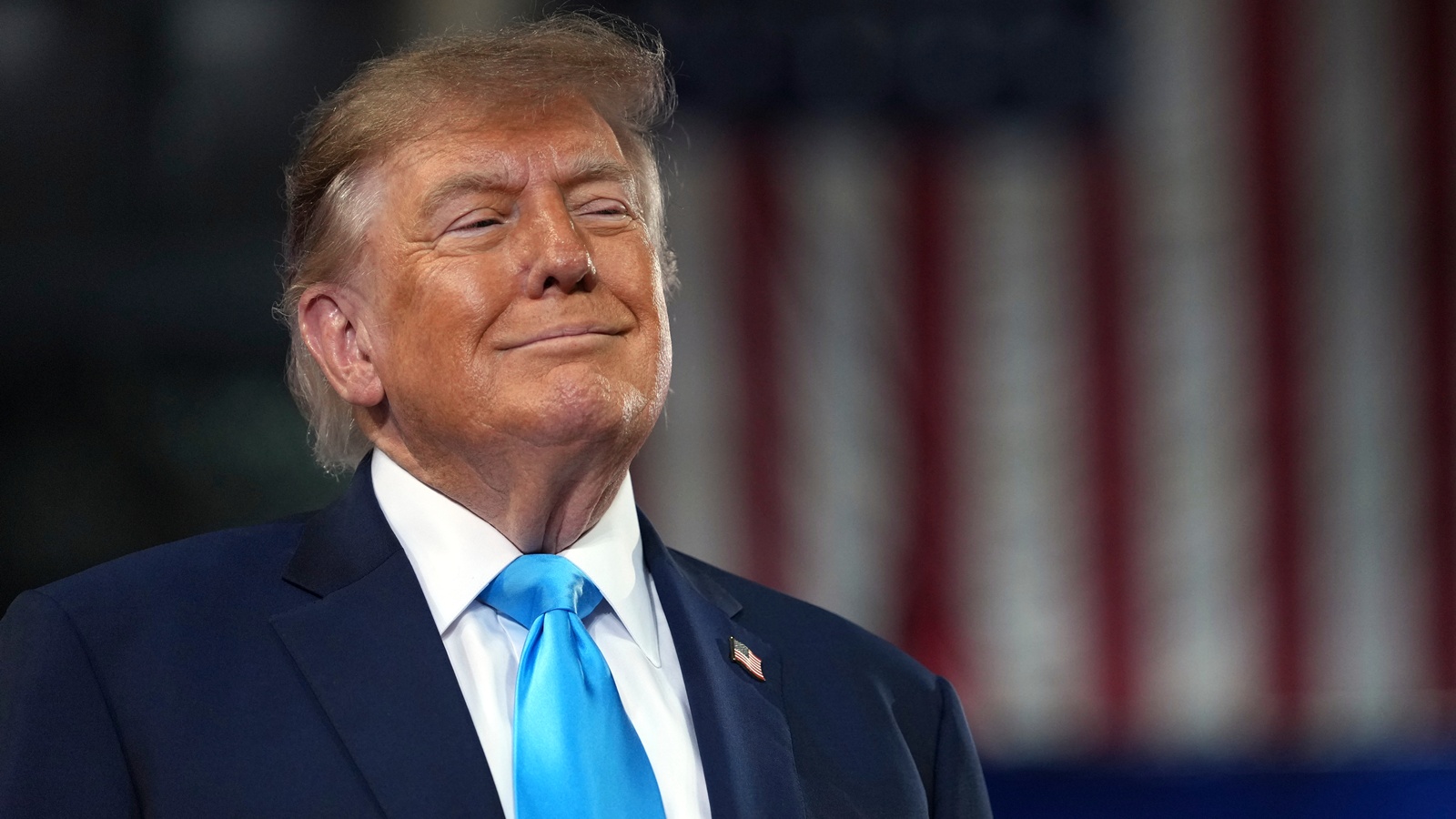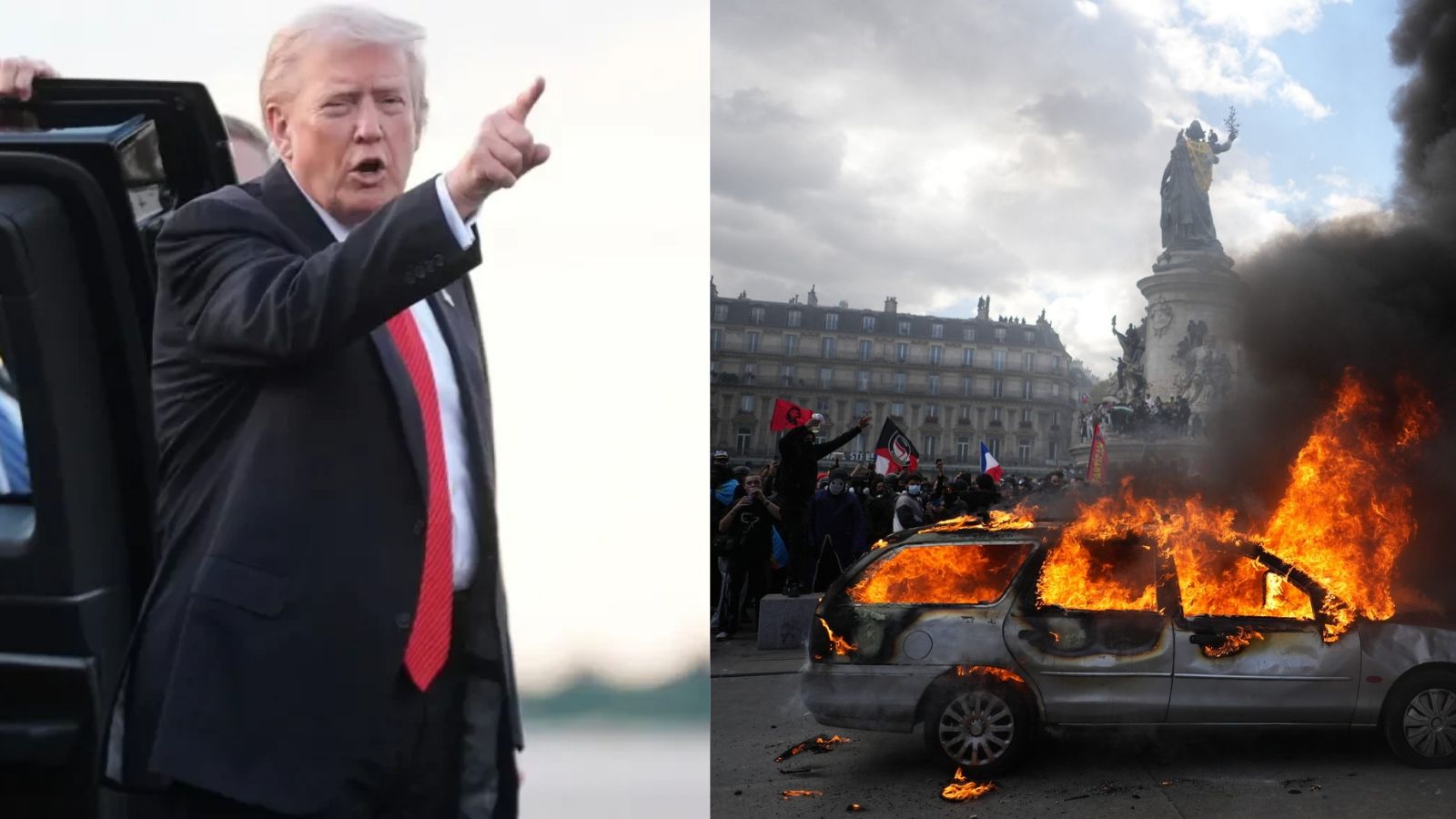
When violent protests erupted across France in October 2026, Donald Trump didn't waste a second turning chaotic street scenes into a campaign warning for American voters. At a rally in Kansas and across social media, he pointed to burning buildings, clashing crowds, and widespread disorder as proof that immigration policies—and what he called out-of-control migration—were tearing France apart.
Honestly, that framing is a classic political shortcut. It takes a messy, multi-layered domestic crisis in France and flattens it into a single villain that fits right into U.S. domestic politics.
If you actually look at what sparked the unrest in France, immigration isn't the starting point. High school students took to the streets over school conditions. Broader demonstrations swelled around a brutal cost-of-living squeeze, high energy and fuel prices, and everyday bills that households felt they could no longer absorb. Then, as happens in plenty of large-scale French protests, violent clashes broke out, shops were looted, and public buildings—including the historic city hall in Limoges—caught fire.
Why Blaming Immigration for the France Protests Doesn't Match the Evidence
Blaming immigration for the France protests sounds neat on a stump speech. It's also missing hard proof on the ground.
French authorities haven't established that recent immigrants drove the rioting. Even more basic: under French law designed around republican equality, the state doesn't collect official crime or arrest statistics broken down by race or ethnicity. That legal barrier alone means anyone claiming with certainty that a specific immigrant or religious group caused the bulk of the damage is speaking from political assumption rather than verified official data.
As AP News reported in its fact-check of the claims surrounding the unrest, no single demographic group was singled out by authorities as responsible for the violence. Meanwhile, reporting from Al Jazeera noted how French officials and observers pushed back against foreign politicians trying to reduce complex street disorder to migration alone.
What you see in France during major unrest is rarely one tidy group acting as one bloc. Student demonstrators march for specific grievances. Ordinary families show up angry about inflation and affordability. Opportunistic looters and radicalized agitators—including seasoned black bloc actors—often latch onto crowds once police lines stretch thin.
When politicians look at a foreign riot, they usually see whatever domestic argument they already want to win at home.
That's not unique to Trump, by the way. Political rivals inside France frequently point fingers at opponents ahead of national elections too, accusing the far-left or other camps of fueling disorder. Foreign leaders just add another megaphone.
Cost of Living, Student Anger, and Street Chaos
If you've ever watched a protest movement mutate in real time, you know how quickly a grievance over tuition, classroom conditions, or grocery prices can spiral. It starts with placards and chanting. By nightfall, frustration boils over into property damage and standoffs with riot police.
In France, affordability pressure has been a massive driver of public frustration. When fuel and living costs climb while wages feel stuck, people get angry fast. Add high school students protesting conditions in their schools, and you already have explosive raw material without needing to invent a hidden migration plot.
Still, dismissing every cultural or social tension in France would be a mistake in the other direction. France has long wrestled with tough debates over assimilation, urban housing, policing, and social cohesion—especially across generations. Experts who study French politics often point out that long-standing integration challenges and deep economic frustration are very different things from "open borders" causing a sudden wave of riots.
Kicking that distinction to the curb makes for punchier headlines. It doesn't make for accurate analysis.
How Foreign Unrest Becomes a Midterm Talking Point
Why did France matter so much in a Kansas speech? Timing.
With U.S. voters weighing economic strain and political direction around the midterms, images of burning buildings and chaotic streets in Europe offer instant visual drama. Vice President JD Vance and other Republicans echoed the warning, framing French unrest as a preview of what Democratic policies could bring to America.
Let's be real: using overseas turmoil as a cautionary tale is standard political playbooking. A foreign country is far enough away that voters don't have to verify every street-level detail, yet close enough to Western norms that dramatic footage feels relatable.
Here's where people get tripped up, though:
- Confusing correlation with causation: Seeing protesters and migrants in the same broad news cycle doesn't prove one caused the other.
- Treating protests and riots as identical: Thousands of people marching over schools or living costs aren't the same thing as a smaller subset throwing rocks or looting storefronts.
- Ignoring domestic economics: When household budgets get squeezed, political instability rises across almost any country, regardless of border rules.
Data on social unrest around the world consistently shows that economic pain—especially inflation, energy costs, and youth frustration—acts as kerosene when public trust is already thin. You don't need a conspiracy to explain why people hit the streets when they feel squeezed from every angle.
What You Should Do Next When Reading Viral Protest Claims
Whenever a viral clip from abroad gets tied to a sweeping political claim, slow down for two minutes before sharing or believing it. Check who is speaking, what election or policy fight they're trying to influence, and what local reporting actually says happened on the ground.
Look for primary reporting from wire services and outlets based in the country where the protests are happening, such as The Guardian and Al Jazeera. Pay attention to the timeline too—did the protests begin over schools and living costs before violence flared up? Above all, separate the loud political spin from the verifiable facts so you're making up your own mind instead of letting a catchy slogan do the thinking for you.
French journalist says immigration isn't driving protests provides on-the-ground perspective on how economic pressures like rising living and oil costs fueled the demonstrations rather than migration alone.