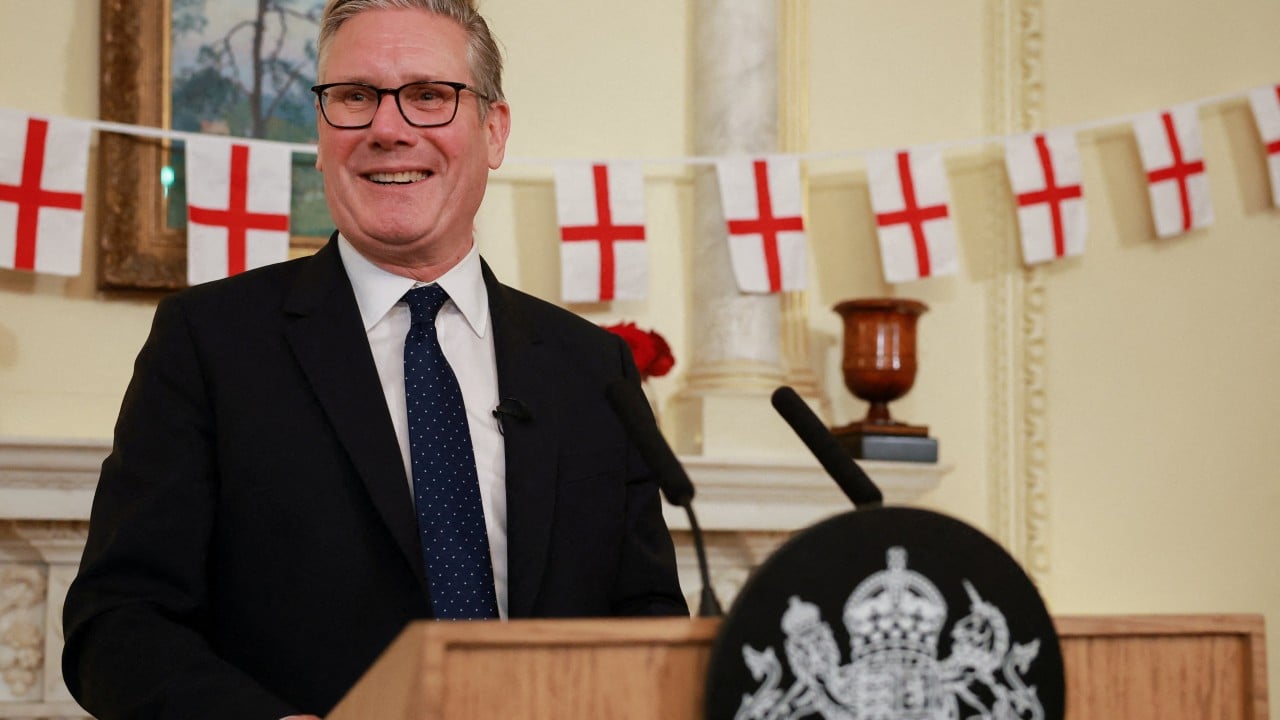
Keir Starmer just dodged a massive bullet in the House of Commons, but don't think for a second the dust has settled. On April 28, 2026, the Prime Minister used his healthy Labour majority to block a formal parliamentary probe into his decision to appoint Peter Mandelson as the UK’s ambassador to Washington. While the 335-223 vote technically clears him of a Privileges Committee investigation, it leaves a trail of unanswered questions that are frankly embarrassing for a government that promised "service" and "integrity."
The core of the issue isn't just that Mandelson had a friendship with Jeffrey Epstein. We've known about that for years. The real problem—the one that has Starmer "on the ropes" according to some of his own diplomats—is whether the Prime Minister ignored flashing red lights from security services to put his political mentor in one of the world's most powerful diplomatic seats. Read more on a related topic: this related article.
The vetting failure Starmer tried to ignore
The drama really kicked off when it emerged that UK Security Vetting (UKSV) had recommended against granting Mandelson clearance back in early 2025. They saw the risks. They saw the Epstein connection. Yet, officials in the Foreign Office reportedly overruled that recommendation.
Starmer's defense has been a bit of a moving target. At first, the narrative was that he wasn't fully briefed on the extent of the security concerns. Then, Philip Barton, the former top civil servant at the Foreign Office, dropped a bombshell by stating the Prime Minister had been made aware of the risks and "accepted" them. You can't have it both ways. Either the Prime Minister was kept in the dark by his own staff, or he knew Mandelson was a liability and hit the "proceed" button anyway. Further analysis by BBC News highlights similar views on the subject.
Morgan McSweeney, Starmer’s former chief of staff, took the fall this week. He admitted to a "serious mistake" in recommending Mandelson and apologized to Epstein’s victims. It's a tidy bit of damage control, but it doesn't explain why a former Director of Public Prosecutions like Starmer would be so lax with national security protocols.
Why the Epstein files changed everything
If you're wondering why this blew up now instead of years ago, look at the documents released by the US House Oversight Committee in late 2025. These weren't just old rumors. They were private emails and financial records that painted a much darker picture of the Mandelson-Epstein "palship."
- The Birthday Book: Mandelson reportedly called Epstein his "best pal" in a 2003 message.
- The Apartment: Records suggest Mandelson stayed at Epstein’s Manhattan home in 2009 while Epstein was actually serving time for soliciting a minor.
- The Money: Allegations surfaced of financial transfers—specifically $7,400 for commercial flights and other payments to Mandelson’s husband.
- The Leaks: Perhaps most damaging are the claims that Mandelson passed sensitive government info about bank bailouts to Epstein in 2009.
When these details hit the fan, Starmer finally sacked Mandelson in September 2025. But the "I didn't know" defense is wearing thin. If the US Congress could find this stuff, why couldn't the British Prime Minister’s office do a basic background check before handing over the keys to the Washington embassy?
A rebellion in the ranks
The vote this week wasn't the total victory Downing Street wanted. Fifteen Labour MPs rebelled, voting with the opposition to trigger the probe. That might sound small, but in the world of Westminster discipline, it's a neon sign of internal distrust. These MPs are looking at the May elections and realizing that "Epstein’s best pal" isn't a great look on a campaign leaflet.
Kemi Badenoch and the Conservatives are smelling blood. They’ve successfully framed this as Starmer’s "Partygate" moment—not because of illegal gatherings, but because of a perceived "one rule for us, another for them" attitude regarding vetting and transparency.
What this means for the UK US relationship
The fallout has been a disaster for British diplomacy. Mandelson was meant to be the "Trump whisperer," the guy who could navigate the return of Donald Trump to the White House. Instead, Trump himself called Mandelson a "really bad pick."
The new ambassador, Christian Turner, is already dealing with the debris. He was caught on record telling students that Starmer’s future looked "touch and go" because of this scandal. When your own hand-picked ambassador is privately saying you’re "on the ropes," you know the problem is deeper than a single lost vote in Parliament.
The reality check
If you're looking for the "clean" version of this story, you won't find it. The government is trying to move on by talking about the cost of living and the NHS, but the Metropolitan Police are still looking into allegations of misconduct in public office.
The immediate next steps are clear. Watch the local election results in May. If Labour takes a hit, the voices calling for Starmer to face a real ethics committee will get a lot louder. For now, the Prime Minister has protected himself behind a wall of party loyalty, but the "Mandelson shadow" is going to follow him every time he talks about integrity in public life. You can block a vote, but you can't block the facts that keep leaking out of the Epstein archives.
Pay close attention to the Met Police updates over the next month. If their investigation into Mandelson’s "misconduct in public office" moves toward a formal charge, Starmer's decision to block this parliamentary probe will look less like a tactical win and more like a desperate cover-up. Keep an eye on the Foreign Affairs Committee hearings; they aren't finished with McSweeney just yet.