The weight loss drug market is currently a crowded, expensive, and frankly, poke-heavy space. If you've been following the rise of GLP-1 medications like Wegovy or Zepbound, you know the drill. Most of these require a weekly injection. While that's a massive improvement over older treatments, it’s still a hurdle for a lot of people. Pfizer just dropped some mid-stage trial data that suggests we might finally be moving toward a more convenient "set it and forget it" model for metabolic health.
Pfizer’s experimental drug, danuglipron, is hitting headlines because their latest Phase 2 trial showed it works as a once-a-day pill or—more interestingly—a once-a-monthly injection. For anyone who hates needles or just forgets their meds, a monthly dose is a big deal. It's not just about convenience. It's about how we manage chronic disease long-term without the constant "treatment fatigue" that sinks so many health journeys.
The Problem With the Weekly Grind
Most people start these medications with high hopes. But the reality of a weekly self-injection can be a grind. Life gets in the way. You travel, you forget your pen, or you just get tired of the routine. When you're dealing with obesity, consistency is everything.
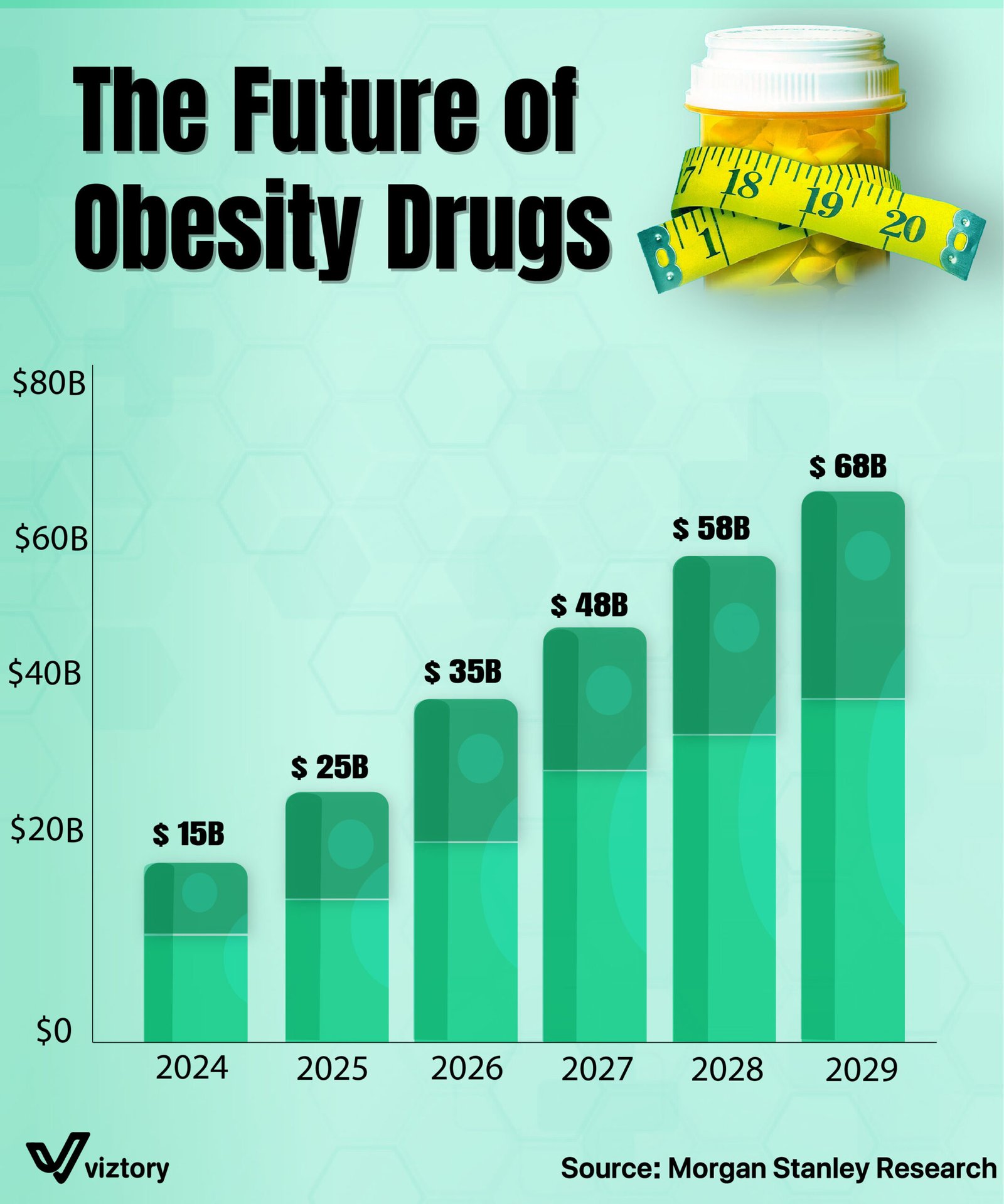
The current leaders in the space, Novo Nordisk and Eli Lilly, have set a high bar for efficacy. Their drugs work. People lose 15% to 20% of their body weight on average. But the attrition rate is real. Studies show that a significant portion of patients stop taking GLP-1s within the first year, often due to side effects or the sheer hassle of the regimen.
Pfizer's focus on a monthly option is a direct shot at this pain point. By stretching the dosing window, they're betting they can keep people on the treatment longer. If you only have to think about your medication 12 times a year instead of 52, your chances of sticking with it skyrocket. It's common sense, but the chemistry behind making a drug last that long in the bloodstream is incredibly difficult.
What the Data Actually Says
We need to look at the numbers without the corporate polish. In Pfizer's recent study, they evaluated different formulations of danuglipron. This is an oral GLP-1 receptor agonist, but the breakthrough here is the "preferential" dosing profile.
They found that the drug successfully lowered body weight in adults with obesity over a period of weeks. More importantly, the side effect profile—which is the Achilles' heel of this entire class of drugs—appeared manageable. We’re talking about the usual suspects: nausea, vomiting, and diarrhea.
Side Effect Realities
- Nausea hits hard in the first few weeks of any GLP-1.
- Titration matters more than the final dose for patient comfort.
- Monthly injections need to be formulated carefully to avoid a "spike and crash" in drug concentration.
The trial showed that by tweaking how the drug is released, Pfizer might be able to smooth out those peaks. If they can deliver a steady dose over 30 days without making the patient feel like they have the flu for the first 48 hours after the shot, they have a winner.
Why an Oral Pill Isn't Always the Answer
You'd think a pill would always beat an injection. That's not always the case with metabolic drugs. For one, "bioavailability" is a nightmare with oral GLP-1s. Your stomach acid is designed to break down proteins, and these drugs are basically peptides or small molecules that the stomach wants to destroy.
To get a pill to work, you often have to take it on an empty stomach with a specific amount of water and then wait 30 minutes to eat. It sounds easy until you're rushing to work or have kids screaming for breakfast. An injection bypasses the digestive system entirely. A monthly injection gives you the best of both worlds: high efficacy and low maintenance.
The Competitive Heat Map
Pfizer is playing catch-up, and they know it. They had a bit of a stumble last year when their twice-daily pill version of danuglipron saw high dropout rates due to side effects. It was a setback that wiped billions off their market cap.
This new "once-daily" or "monthly" focus is their redemption arc. They've shifted away from the twice-a-day model because, honestly, nobody wants that. While Lilly and Novo are working on their own oral versions and longer-acting shots, Pfizer is trying to leapfrog the "weekly" standard entirely.
Where the Others Stand
- Eli Lilly: Currently dominating with Zepbound (tirzepatide), which hits two receptors (GLP-1 and GIP) instead of just one.
- Novo Nordisk: The OG with Wegovy (semaglutide). They're testing a high-dose oral version, but it requires a lot of the active ingredient, making it expensive to produce.
- Amgen: Working on MariTide, which might also offer monthly or even quarterly dosing.
Pfizer’s advantage could be their manufacturing scale and their "small molecule" approach. Small molecules are generally cheaper to make and easier to scale than the complex biologics used in many current injections. If they can undercut the competition on price while offering a better dosing schedule, the market will shift.
Why This Matters for Your Wallet
Let's talk money. These drugs are expensive. List prices often hover around $1,000 a month without insurance. A big reason for the cost is the complexity of the "pen" devices and the cold-chain storage required for biologics.
If Pfizer can perfect a small-molecule drug that doesn't need constant refrigeration or complex delivery pens, the cost of goods drops. We might finally see these life-changing medications become accessible to people who aren't covered by premium insurance plans. Right now, weight loss drugs are a luxury for many. That has to change if we're going to tackle the global obesity epidemic.
The Muscle Loss Elephant in the Room
One thing Pfizer—and everyone else—needs to address is the quality of weight loss. When you lose weight fast on a GLP-1, you don't just lose fat. You lose muscle. Some studies suggest up to 40% of the weight lost can be lean muscle mass.
This is a disaster for long-term health, especially as we age. We need "smarter" drugs. Future iterations will likely be paired with treatments that protect muscle or focus more specifically on visceral fat. Pfizer's mid-stage trials are focused on the "how much" and "how often," but the "what kind" of weight loss is the next big frontier.
Is It Safe to Get Excited?
I've seen plenty of "miracle" drugs fizzle out in Phase 3 trials. Phase 2 is where things look great because the participant pool is controlled and small. Phase 3 is where the wheels usually fall off—either the efficacy doesn't hold up in a diverse population, or a rare but serious side effect pops up.
But the biology here is sound. We know the GLP-1 pathway works. We know the body can handle these types of molecules. The question isn't whether Pfizer's drug works—it's whether it works well enough to displace the current giants.
Check Your Current Coverage
If you're currently on a weekly shot and hating the routine, don't switch just yet. Pfizer’s drug is still a way off from your local pharmacy. These trials take time. We’re likely looking at a couple more years of data collection and FDA scrutiny before this hits the shelves.
In the meantime, the best thing you can do is focus on the "GLP-1 lifestyle" basics. These drugs are tools, not magic wands. Even a monthly shot won't help if you aren't eating enough protein and lifting heavy things.
- Talk to your doctor about your "treatment fatigue." If you're struggling with weekly shots, they might have strategies to help with the routine.
- Monitor the Phase 3 announcements. Pfizer will likely move into larger trials soon. If you're interested, look into clinical trial participation.
- Focus on protein intake. Regardless of which drug wins the race, protecting your muscle mass is your job, not the drug's.
The move toward monthly dosing is inevitable. Pfizer is just the first one to make a loud, credible noise about it this year. It’s a win for patients, a win for convenience, and hopefully, eventually, a win for our bank accounts.