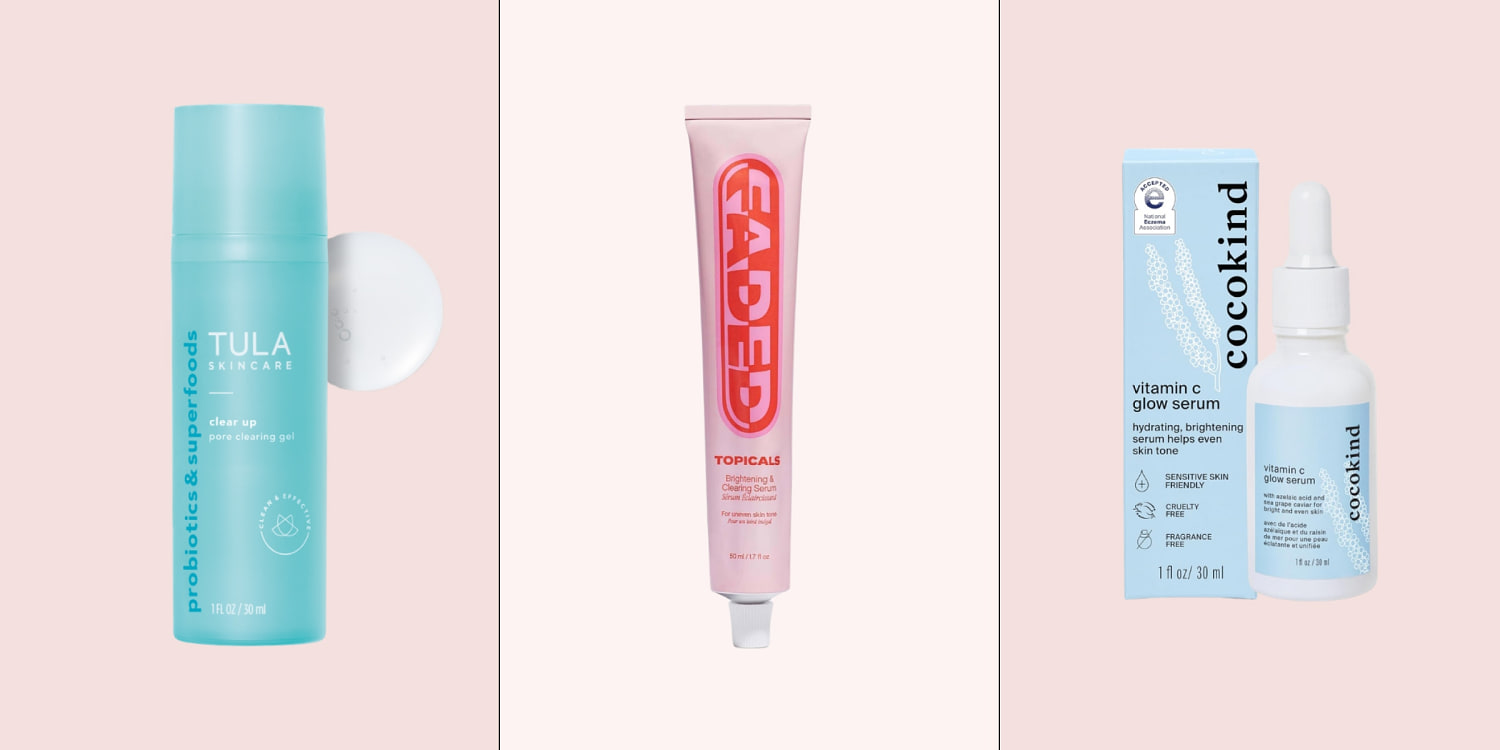
Dermatological therapeutics frequently suffer from a trade-off between efficacy and barrier degradation. Highly potent single-target agents, such as topical retinoids or benzoyl peroxide, optimize for a specific cellular outcome while introducing collateral damage via epidermal inflammation and transepidermal water loss. Azelaic acid circumvents this operational bottleneck. By functioning as a dicarboxylic acid that modulates multiple independent biochemical pathways simultaneously, it addresses acne vulgaris, rosacea, and hyperpigmentation without destabilizing the skin barrier.
Achieving therapeutic success with azelaic acid requires understanding its structural mechanics, cellular targets, and its integration constraints within a broader skincare regimen.
The Tri-Pathway Mechanism of Action
Azelaic acid ($HOOC(CH_2)_7COOH$) is a naturally occurring saturated nine-carbon dicarboxylic acid. Unlike monocarboxylic acids or alpha-hydroxy acids, its dual-carboxyl structure dictates its unique transport kinetics and molecular interactions within the stratum corneum and viable epidermis. Its clinical utility is derived from three distinct mechanistic pillars.
1. Follicular Keratinization and Antimicrobial Regulation
In acne vulgaris, the primary pathophysiological bottleneck is the hyperkeratinization of the pilosebaceous infundibulum, combined with the proliferation of Cutibacterium acnes. Azelaic acid alters this trajectory through two distinct actions:
- Dietary Inhibition of Microbial Synthesis: The molecule acts as a competitive inhibitor of mitochondrial oxidoreductases and 5-alpha-reductase. By disrupting transmembrane proton gradients and inhibiting microbial DNA synthesis, it exerts a bacteriostatic effect on both C. acnes and Staphylococcus epidermidis. Crucially, because this mechanism relies on metabolic disruption rather than cell-wall destruction via oxygen radicals, it does not induce bacterial resistance.
- Normalisation of Keratinocyte Differentiation: Azelaic acid reduces the synthesis of filaggrin and precursor proteins responsible for hyperkeratinization. It downregulates the expression of fillaggrin in differentiated epidermal cells, which thins the stratum corneum and prevents the formation of microcomedones.
2. Cascading Inflammatory Downregulation
Rosacea represents a chronic inflammatory state characterized by neurovascular dysregulation and an overactive innate immune response. The efficacy of azelaic acid in mitigating the papulopustular variants of this condition rests on its ability to intercept inflammatory cascades at the nuclear level.
The molecule suppresses the transcription of proinflammatory cytokines—specifically Interleukin-1 beta (IL-1$\beta$), Interleukin-6 (IL-6), and Tumor Necrosis Factor-alpha (TNF-$\alpha$). It achieves this by inhibiting the activation of Nuclear Factor Kappa B (NF-$\kappa$B). Furthermore, azelaic acid curtails the production of reactive oxygen species (ROS) generated by neutrophils, effectively neutralizing the chemical signals that drive chronic erythema and vascular dilation.
3. Selective Melanophilic Cytotoxicity
The management of post-inflammatory hyperpigmentation (PIH) and melasma requires an agent that can differentiate between normal, homeostatic melanocytes and hyperactive, abnormal melanocytes. Azelaic acid displays a unique, highly selective affinity for the latter.
[Hyperactive Melanocyte] ---> (Inhibited by Azelaic Acid via Thioredoxin Reductase) ---> Reduced Tyrosinase Activity ---> Decreased Melanin Synthesis
[Normal Melanocyte]      ---> Minimal Interruption ---> Baseline Pigmentation Maintained
The underlying mechanism is two-fold:
- Competitive Tyrosinase Inhibition: It acts as a weak competitive inhibitor of tyrosinase, the rate-limiting enzyme in melanogenesis.
- Mitochondrial Disruption: In hyperactive or malignant melanocytes, azelaic acid inhibits mitochondrial respiratory chain enzymes (specifically complexes I through III). This selective inhibition halts DNA synthesis and induces apoptosis in abnormal cells while leaving adjacent, normally functioning melanocytes unaffected.
Comparative Performance Mapping
To evaluate the clinical utility of azelaic acid, its performance must be benchmarked against standard-of-care monotherapy agents across identical physiological vectors.
Comparison Matrix: Azelaic Acid vs. Traditional Therapeutics
| Therapeutic Vector | Azelaic Acid (15%–20%) | Benzoyl Peroxide (2.5%–5%) | Tretinoin (0.025%–0.05%) | Hydroquinone (2%–4%) |
|---|---|---|---|---|
| Primary Indication | Acne, Rosacea, PIH | Acne Vulgaris | Acne, Photoaging | Hyperpigmentation, Melasma |
| Barrier Impact | Neutral to Supportive | High Degradation (Lipid Oxidation) | High Degradation (Retinoid Dermatitis) | Moderate Degradation |
| Bacterial Resistance Risk | Zero | Zero | N/A | N/A |
| Melanocyte Specificity | High (Targeted to abnormal cells) | None | Low (Indirect via turnover) | Low (Non-selective cytotoxicity) |
| Photostability | Absolute | High | Highly Unstable (UV Labile) | Moderately Unstable |
Delivery Kinetics: Vehicle Architecture and Concentration Gradients
The clinical efficacy of azelaic acid is bounded by its physical chemistry. It is highly lipophobic and only sparingly soluble in water at room temperature. This creates a significant formulation bottleneck: delivering a sufficient concentration of the active molecule through the lipid-rich extracellular matrices of the stratum corneum requires precise vehicle engineering.
The 15% Gel vs. 20% Cream Paradigm
A common error in clinical application is assuming that a higher percentage automatically correlates to a linear increase in biological activity. The vehicle architecture dictates the actual bioavailability of the molecule.
- The 20% Cream Formulation: Historically the first widely available iteration, this vehicle relies on an emollient cream base. While the absolute concentration of the active ingredient is higher, the lipophilic nature of the cream base slows the release rate of the hydrophilic azelaic acid molecules. The cream vehicle leaves a significant portion of the active ingredient trapped in the surface emulsion, functioning primarily as a reservoir.
- The 15% Gel Formulation: Engineered to optimize delivery kinetics, the gel vehicle utilizes a hydrophilic matrix. Azelaic acid has lower solubility within this aqueous gel matrix, which increases its thermodynamic activity and drives the molecule out of the vehicle and into the skin lipids. Pharmacokinetic studies demonstrate that a 15% gel formulation achieves a significantly higher cutaneous penetration rate and greater intralesional bioavailability than the older 20% cream formulation.
Strategic Regimen Integration and Sequential Ordering
Maximizing the therapeutic index of azelaic acid requires a deliberate approach to product layering. Its pH dependence and structural stability demand that it be positioned precisely within a skincare routine to avoid neutralizing its benefits or triggering acute dermatitis.
pH Dependency and Layering Logic
Azelaic acid formulations typically require a pH range of 4.0 to 4.5 to maintain chemical stability and ensure optimal skin penetration. Introducing high-pH products immediately prior to application alters the ionization state of the dicarboxylic acid, reducing its ability to traverse the lipophilic stratum corneum.
The optimal sequential application protocol follows a strict density and pH gradient:
- Cleansing: Utilize a non-stripping, surfactant-light cleanser adjusted to a physiological pH (approximately 5.5).
- Aqueous Serums / Low-pH Actives: If utilizing L-ascorbic acid (Vitamin C) or chemical exfoliants (salicylic or glycolic acids), apply them immediately after cleansing. These formulations operate at lower pH levels (under 3.5) and lower the skin's surface pH, optimizing the environment for the subsequent dicarboxylic acid application.
- Azelaic Acid Application: Apply the azelaic acid formulation across the entire affected area rather than spot-treating. Spot-treating ignores the microscopic, pre-clinical microcomedones and inflammatory markers already forming in adjacent tissues.
- Emollient Occlusion: Wait 3 to 5 minutes to allow the azelaic acid matrix to dry down and stabilize on the skin. Follow with a barrier-supportive moisturizer containing ceramides, cholesterol, and free fatty acids to seal the active ingredient and reduce transient neurosensory stinging.
Managing Concomitant Therapies
Pairing azelaic acid with other potent actives requires a clear strategy to prevent barrier failure.
- The Retinoid Pairing: Azelaic acid can be used alongside retinoids. Because retinoids downregulate transcription factor AP-1 and alter cellular turnover, they complement the keratolytic and anti-inflammatory pathways of azelaic acid. The safest implementation involves splitting application times: use azelaic acid in the morning to leverage its antioxidant properties against daytime UV-induced ROS, and reserve the retinoid for nocturnal application.
- The Salicylic Acid Pairing: For severe acne or highly congested skin, combining azelaic acid with a lipophilic beta-hydroxy acid like salicylic acid creates a useful synergy. Salicylic acid clears sebum and debris from the pore lining, lowering the physical resistance within the follicle and allowing deeper penetration of the subsequent azelaic acid application.
Quantifying Therapeutic Limitations and Adverse Events
While azelaic acid has an excellent safety profile, it is not a universal cure. Understanding its limitations prevents clinical failure and improves long-term adherence.
Neurosensory Side Effects
The most common patient complaint during the initial 14 days of therapy is localized neurosensory irritation, which manifests as transient itching, burning, or stinging. This reaction is not a sign of an allergic response or classical contact dermatitis. Instead, it is a physiological reaction caused by the rapid influx of a low-pH dicarboxylic acid activating transient receptor potential (TRP) channels—specifically TRPV1—in the cutaneous nerve fibers.
This effect can be minimized by avoiding application to damp skin. Water on the skin surface accelerates the dissociation rate of the acid, causing a sharp drop in localized pH that overwhelms the cutaneous nerves.
The Efficacy Velocity Gap
Azelaic acid operates on a longer timeline than its synthetic counterparts. While benzoyl peroxide can reduce inflammatory acne lesions within 48 to 72 hours via rapid oxidation, azelaic acid requires weeks of continuous application to modulate keratinocyte expression and suppress cytokine production.
[Week 0] Baseline ---> [Week 2] Reduced Transient Stinging / Microcomedone Inhibition Begins ---> [Week 4] Measurable Reduction in Inflammatory Acne Lesions ---> [Week 8] Observable Fading of PIH and Melasma
A minimum of 4 to 8 weeks of consistent daily application is required before a measurable reduction in inflammatory lesions or hyperpigmentation becomes apparent. True stabilization of chronic conditions like rosacea or melasma frequently requires 12 to 16 weeks of sustained therapy.
Troubleshooting Protocols
When therapeutic progress stalls or adverse reactions occur, evaluate the following three variables before abandoning therapy:
1. The Moisture Barrier Check
If a patient develops persistent flaking or erythema after the initial two-week acclimation phase, the cause is rarely the azelaic acid alone. It is usually driven by an inadequate moisture barrier. The appropriate fix is to introduce a moisturizer rich in physiological lipids 15 minutes before applying the azelaic acid. This "buffering" technique slightly slows down absorption kinetics without reducing the overall therapeutic outcome over a 12-week period.
2. Resolving the "Pilling" Phenomenon
Due to the high powder load required to suspend azelaic acid in over-the-counter and prescription bases, the product can roll or "pill" when layered with other cosmetics. To resolve this mechanical incompatibility, transition from a morning application to a evening application, or adjust the underlying skincare steps to eliminate silicones and heavy film-forming polymers.
3. Addressing Rebound Hyperactivity
In cases of severe vascular rosacea, a small subset of users may experience increased flushing. If this occurs, reduce the frequency of application from daily to every other evening for a period of 14 days. This allows the cutaneous neurovasculature to adapt to the metabolic shift before building back up to the standard twice-daily application protocol.