Coastal erosion mitigation relies on energy dissipation. When high-velocity wave action and wind shear strike a vulnerable shoreline, the immediate objective of any stabilization intervention is to reduce fluid momentum, encourage particulate drop-out, and rebuild the natural dune profile. Traditional engineering solutions deploy geotextile tubes, rock revetments, or steel sheet piling. These interventions carry high capital expenditures, alter longshore sediment transport vectors in unpredictable ways, and frequently accelerate erosion downdrift.
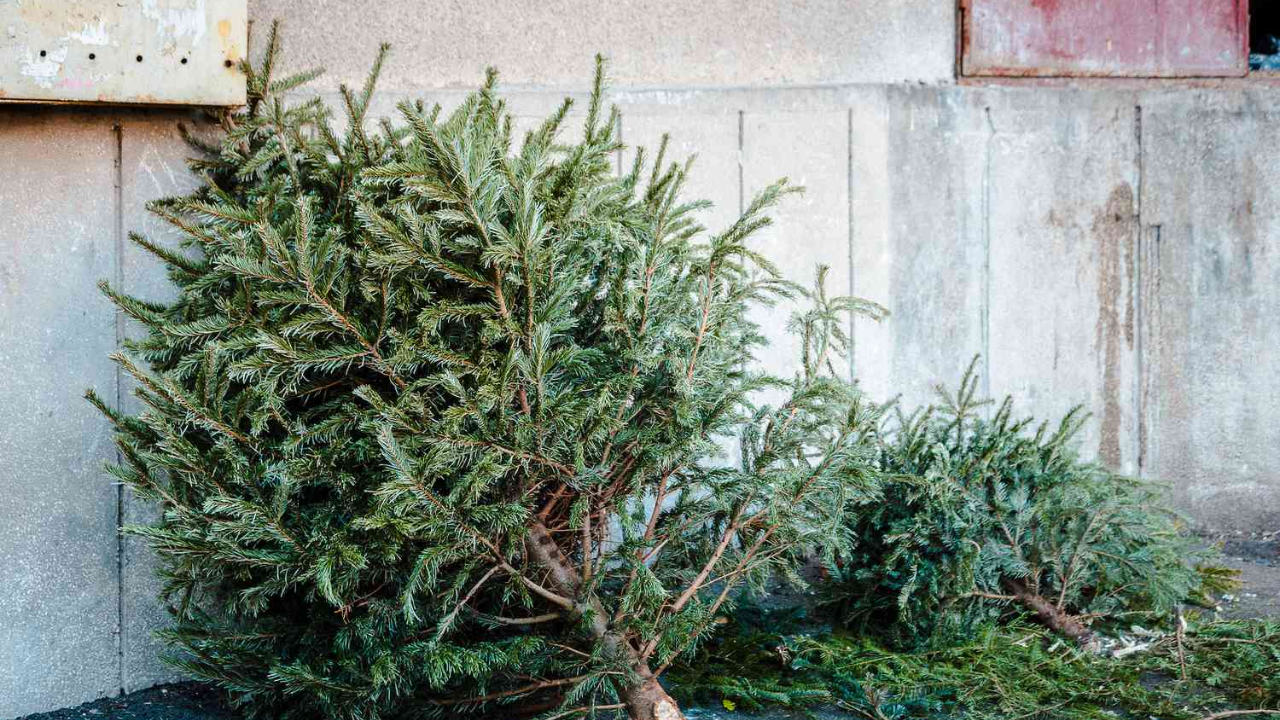
In late 2021, coastal resource managers and local communities in Alabama operationalized an alternative infrastructure model: repurposing post-holiday organic waste by deploying discarded Christmas trees along vulnerable dune systems. This intervention functions not as an aesthetic recycling initiative, but as an ad-hoc, low-cost sediment capture array. Understanding the viability of this strategy requires examining the fluid dynamics of wind-blown sand, the mechanics of porous barriers, and the decay kinetics of organic biomass in high-salinity marine environments.
The Aerodynamic Drag Coefficient of Organic Arrays
To evaluate how discarded conifers interact with coastal wind fields, we must examine the physics of aeolian transport. Sand movement along a beach profile occurs primarily through saltation, surface creep, and suspension. When onshore winds sweep across flat sand flats, wind velocity increases logarithmically with height above the surface until it reaches threshold friction velocity, initiating particle transport.
Deploying a barrier alters this boundary layer profile. A single pine tree presents a complex, multi-branched porous matrix rather than a solid wall. Solid barriers, such as concrete seawalls, force wind upward, creating high-turbulence eddies at the base that scour the sediment and exacerbate toe erosion. Porous arrays, conversely, allow a fraction of the airflow to pass through while bleeding off wind energy.
When hundreds of discarded evergreens are tethered or staked together parallel to the shoreline, they form a permeable fence. This array reduces the velocity of the wind passing through and immediately behind the structure. According to the principles of fluid drag, as wind speed drops below the threshold friction velocity within the shadow zone of the trees, the carrying capacity of the air decreases. Suspended and saltating sand particles fall out of the airflow, accumulating around the needle-laden branches.
The variable density of pine needles creates an optimal porosity index. While manufactured snow fences typically target a specific porosity ratio of approximately fifty percent, organic arrays offer a gradient of porosity. The dense outer foliage catches rapid-moving surface particles, while the thicker central trunks and lower branches absorb the kinetic energy of larger storm-driven debris.
The Hydrological and Biological Cost Function
While the aerodynamic mechanics of sand capture are sound, organic deployment introduces complex biological variables that engineered structures avoid. The primary constraint of using discarded Christmas trees is material longevity. Conifers, predominantly species like Fraser fir, Balsam fir, and Scotch pine, undergo rapid structural degradation when exposed to marine microclimates characterized by high UV radiation, salt spray, and microbial activity.
Structural Decay Phases
- Initial Needle Desiccation: Within weeks of deployment, residual moisture evaporates, causing needle abscission. The shed needles immediately contribute to the organic duff layer at the base of the array, initiating localized soil enrichment.
- Lignin and Cellulose Decomposition: Fungal and bacterial colonization breaks down the structural cellulose and hemicellulose of the branches over a twelve-to-eighteen-month window. Lignin degrades at a slower rate, providing residual structural integrity for roughly two seasonal storm cycles.
- Biomass Incorporation: As the wood mineralizes, it integrates into the nascent sand matrix, increasing the organic content of the newly formed dune. This organic matter improves the cation exchange capacity of the sand, making it a more hospitable substrate for subsequent root colonization.
The decay rate introduces a strict operational timeline. Unlike granite boulders or vinyl sheet piles designed for decades of service, a Christmas tree deployment is a sacrificial, ephemeral intervention. Its structural value peaks during the first winter storm season when wave and wind energies are highest. By the end of the second summer, the physical barrier has largely transformed into organic soil amendment.
Consequently, the economic efficiency of the strategy depends entirely on labor costs versus material acquisition costs. Because the raw material is a municipal waste product acquired at zero unit cost immediately following the holiday season, the cost function is dominated by logistical variables: collection logistics, transport radius, manual placement labor, and regulatory permitting for coastal zone modifications.
Sediment Trapping Efficiency Versus Wave Action
Wind-blown sand capture accounts for only half of the coastal protection equation. Coastal zones experience episodic high-energy events where storm surges inundate the beach profile, subjecting the dune toe to direct hydrodynamic wave attack.
When a storm surge reaches an organic tree array, the mechanism of action shifts from aeolian dynamics to hydrodynamic drag and wave energy dissipation. The tangled branches create frictional resistance against advancing water masses. Each tree acts as an individual energy dissipator, breaking coherent wave fronts into turbulent micro-eddies and reducing runup velocity.
However, this interaction highlights a critical operational limitation. Organic tree arrays lack the mass and anchoring strength to withstand high-energy wave action unaided. If placed too far seaward in the active surf zone, buoyant forces and hydrodynamic lift can dislodge the trees, turning them into floating battering rams that threaten other coastal infrastructure.
Effective deployment protocols therefore require strict zoning boundaries:
- Aeolian Placement Zone: Positioning arrays strictly within the supratidal zone, above the normal high-tide line, ensures that sand capture occurs via wind transport without premature displacement by tides.
- Anchoring and Ballasting: Securing trees via wooden stakes, biodegradable coir twine, or anchoring trenches prevents minor surges from mobilizing the material before sediment accretion can bury it.
- Interlocking Geometries: Overlapping the root balls or base trunks of adjacent trees distributes localized wave and wind loads across a broader structural footprint.
Ecological Succession and Vegetation Anchoring
An ephemeral sand-trapping structure is only as valuable as the permanent ecosystem it enables. A mound of sand accumulated by a row of discarded trees is inherently unstable; without root reinforcement, subsequent high winds will deflate the newly formed dune just as quickly as it accumulated.
The ultimate utility of the Christmas tree intervention lies in serving as a biological nursery. The accumulated sand creates a wind-sheltered microclimate on its leeward side. Simultaneously, the decaying organic matter releases essential macronutrients into the nutrient-poor quartz sand.
Coastal botanists capitalize on this phase by planting native stabilizing species directly into and behind the organic arrays. Plant species such as Sea Oats, Bitter Panicum, and Beach Elder thrive in the enriched, stabilized micro-environment. As the root systems of these perennial grasses expand, they take over the structural load-bearing function of the decaying pine trees. By the time the timber has fully decomposed, a living, self-healing dune vegetated with deep-rooting grasses has replaced the temporary timber array.
Strategic Deployment Blueprint
Scaling this intervention from localized community efforts to regional coastal management requires a shift from ad-hoc placement to systematic engineering integration. Municipalities aiming to optimize this methodology must treat organic waste deployment as a calculated geotechnical operation rather than a feel-good recycling drive.
The implementation sequence requires strict adherence to seasonal timelines. Municipal collection must align precisely with the post-holiday disposal window in early January. Storage facilities must prevent pre-deployment rot, and transport routing must minimize transit carbon overhead to preserve the net environmental benefit of the project.
Furthermore, monitoring protocols must be established to measure volumetric sand accumulation using drone-based LiDAR or surface elevation change pins. Without quantitative data on sediment volume captured per unit of labor expended, the strategy remains bound to anecdote.
Sustained shoreline resilience is not achieved by seeking permanent barriers against dynamic natural systems, but by engineering temporary friction elements that buy time for biological succession to take root. Organic deployment succeeds precisely because it respects the transient nature of the coastline, trading high-capital permanence for low-cost, cyclical adaptability.