Wetlands are disappearing. You rarely hear about the massive grassroots efforts fighting back until it's too late. Right now, thousands of people are stepping into the mud to fix that.
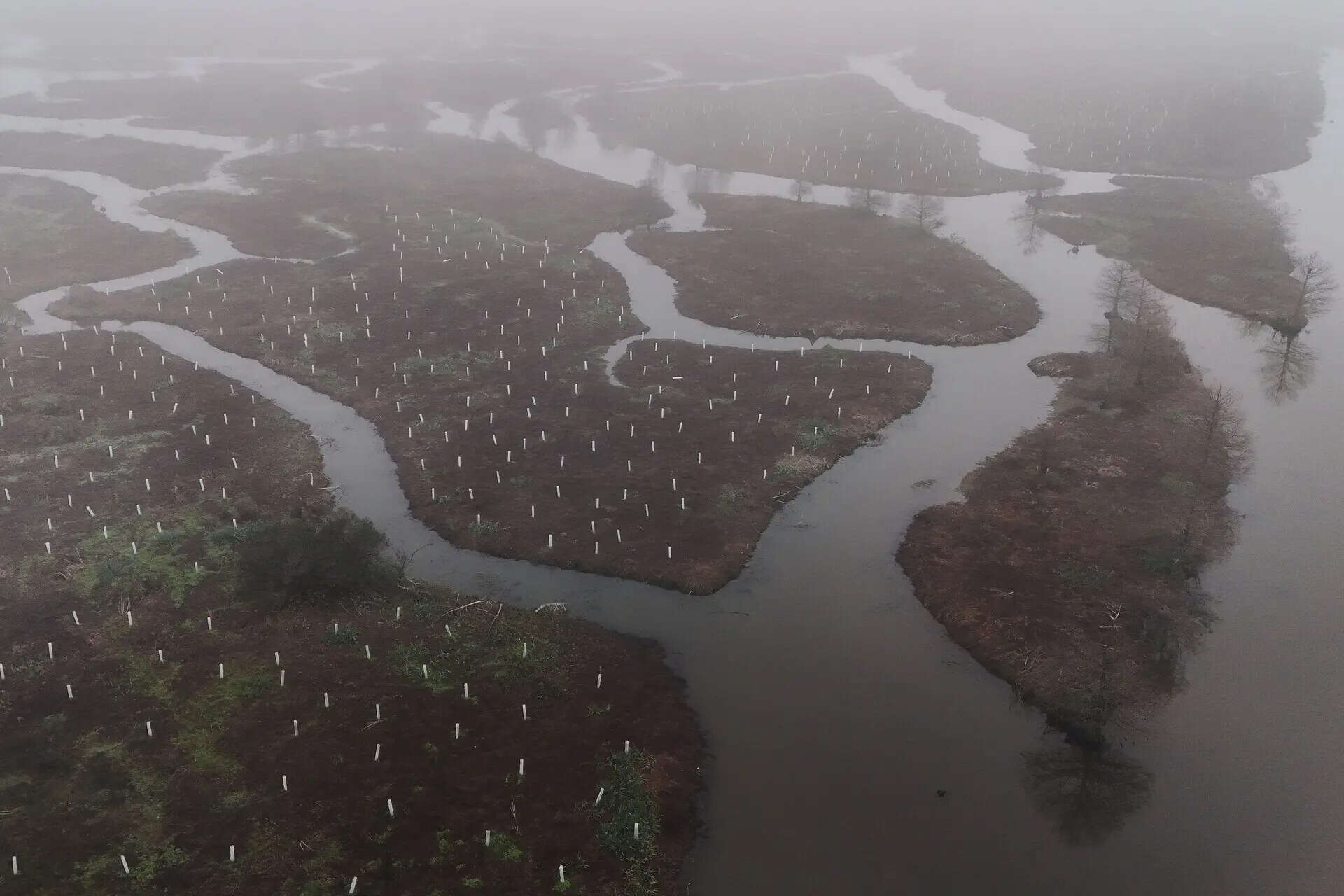
In 2026, volunteers began planting 30,000 trees to rebuild the wetland forest, and it's about time. We've spent decades treating these vital ecosystems like wasteland. They aren't. They're nature's heavy lifters. They filter our water, absorb floodwaters, and store carbon like nobody's business.
Most people think saving nature just means leaving it alone. They assume trees grow back on their own. They don't. When a wetland gets degraded by development or severe weather, the soil changes. Invasive plants choke out the natives. The water table drops. Without human muscle and real ecological strategy, a damaged swamp stays dead.
That's why this project matters. It's not just dropping random saplings into the dirt. It's a calculated, grueling rescue mission.
The Reality of Wetland Restoration
You can't just hand a shovel to anyone and point to a muddy patch. It doesn't work. I've watched well-meaning volunteers ruin local restoration sites because they didn't understand soil hydrology. You need the right species in the right spot.
This 2026 initiative focuses heavily on native heavy-hitters like bald cypress and red maple. These trees survive seasonal flooding. They anchor the sediment. They build the biological foundation that birds, fish, and amphibians need to survive.
People ask me why volunteers are doing the heavy lifting instead of heavy machinery. Simple. Machines compact the fragile soil. Tractors destroy existing root networks. You need boots on the ground, hand tools, and sweat. It’s slow work. It's frustrating work. But it's the only way to get it right.
What Goes Wrong During Planting
Most volunteer efforts fail within the first two summers. I see it all the time. Groups get excited in the spring, plant thousands of trees, and walk away. Then the drought hits. Or the invasive vines take over.
Successful projects factor in the messy middle. They plan for irrigation during dry spells. They organize weed-pulling brigades for months after the initial planting day. If you don't protect young saplings from local deer and nutria, you're just feeding the wildlife an expensive salad bar.
This 2026 campaign built multi-year maintenance into the schedule from day one. That foresight separates real environmental recovery from PR stunts.
Why This Specific Forest Matters
Every wetland has a job. This specific forest sits in a critical watershed corridor. When heavy storms roll through, this area acts as a giant sponge. Without it, nearby towns flood. With it, communities stay safe.
Water quality improves instantly when a wetland functions properly. Plant roots trap pollutants and heavy metals before they hit public drinking supplies. You save millions in water treatment costs just by letting trees do what they evolved to do.
We forget that nature provides free infrastructure. Rebuilding this forest isn't just about saving frogs. It's about protecting human neighborhoods from the next big storm.
Getting Involved Without Ruining the Ecosystem
If you want to help, don't just show up with a shovel. Do your homework. Reach out to local watershed groups or conservation districts. Find out what training they require.
Wear gear you don't mind ruining. The mud will swallow your boots. The mosquitoes will test your patience. You will go home exhausted, sore, and covered in grime.
That's the real cost of environmental repair. It's not glamorous. It doesn't happen behind a keyboard. It happens one tree, one hole, and one blister at a time. Grab a pair of work gloves, find a local planting event near your watershed, and get dirty.